Something strange is happening in financial markets, and it should make you nervous. Oil hit $120 a barrel. Iran attacked Qatar's largest LNG facility. The Middle East is quite literally on fire. And the U.S. stock market barely flinched.
The S&P 500 dropped 1% one day, then clawed it all back the next on some rumor and a 2% dip in oil prices. That's not resilience. That's complacency.
Let me walk you through why this matters. In a normal market, when the world's energy infrastructure gets bombed and oil spikes 20%, investors get defensive. They price in recession risk, margin compression, consumer spending weakness - all the second-order effects that come with energy shocks. We've seen this movie before in the 1970s, in 2008, during the Ukraine invasion. Energy crises hurt economies. Markets care about that.
Except this time, apparently, they don't. Or at least they're pretending not to.
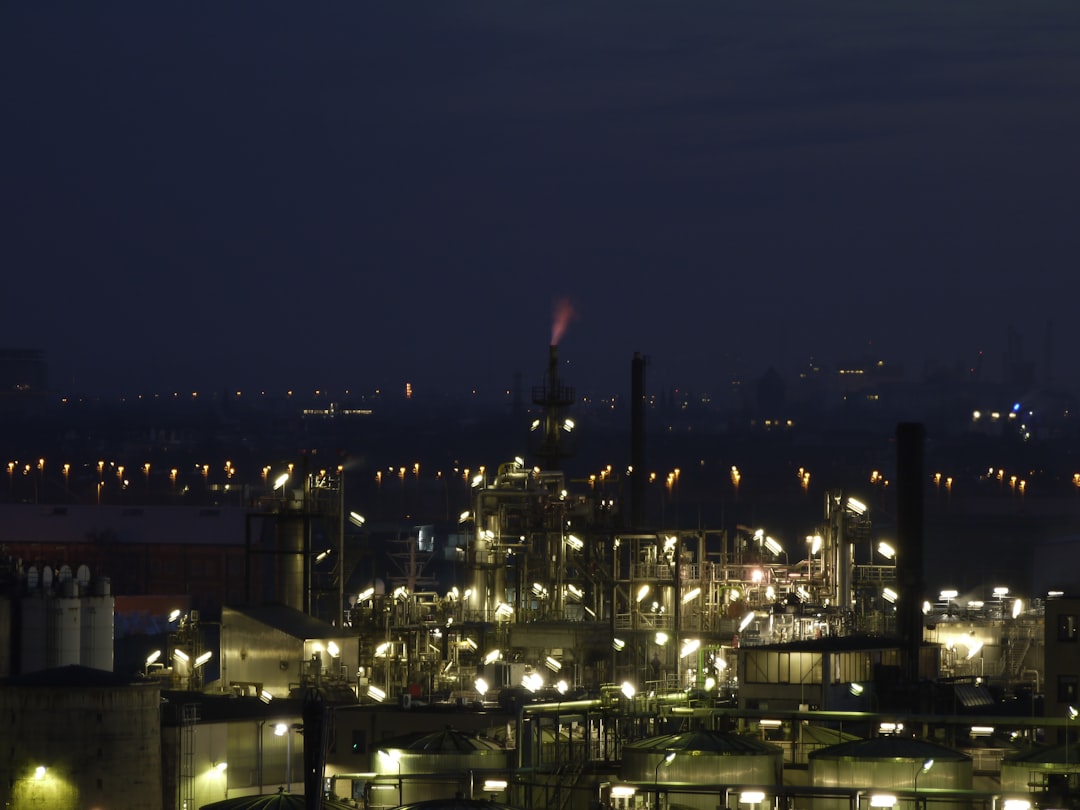
Here's what's actually happening: Qatar's Ras Laffan LNG complex - which handles roughly 20% of global LNG exports - sustained extensive damage. European gas futures jumped 35%. Japan is scrambling to secure emergency LNG supplies from the U.S. at exorbitant prices. This isn't ships stuck in a canal; this is critical infrastructure destroyed, with repair timelines measured in years, not months.
And yet, retail investors are piling their weekly paychecks into stocks every Friday, algorithms are following the momentum, and everyone seems convinced this is fine.
One investor on Reddit captured the absurdity: "Production costs surged in February, far above estimates. Gas has doubled. But Powell claims GDP will hit 2.4% this year and AI will boost productivity and bring inflation down. The situation is far worse than the Ukraine war, yet indices barely move."
The bull case for this resilience goes something like: U.S. markets are insulated from energy shocks because domestic production is strong, the economy is robust, and AI productivity gains will offset inflationary pressure. Maybe. But that requires a lot of things to go right simultaneously while the Middle East burns.
The bear case is simpler: Markets are mispricing risk because they've been trained by 15 years of central bank intervention to buy every dip. When oil spiked during the war, the Fed stepped in. When COVID crashed markets, the Fed stepped in. When 2008 broke everything, the Fed stepped in. So now, even with oil at $120 and the Fed explicitly saying they can't cut rates, investors still assume someone will save them.