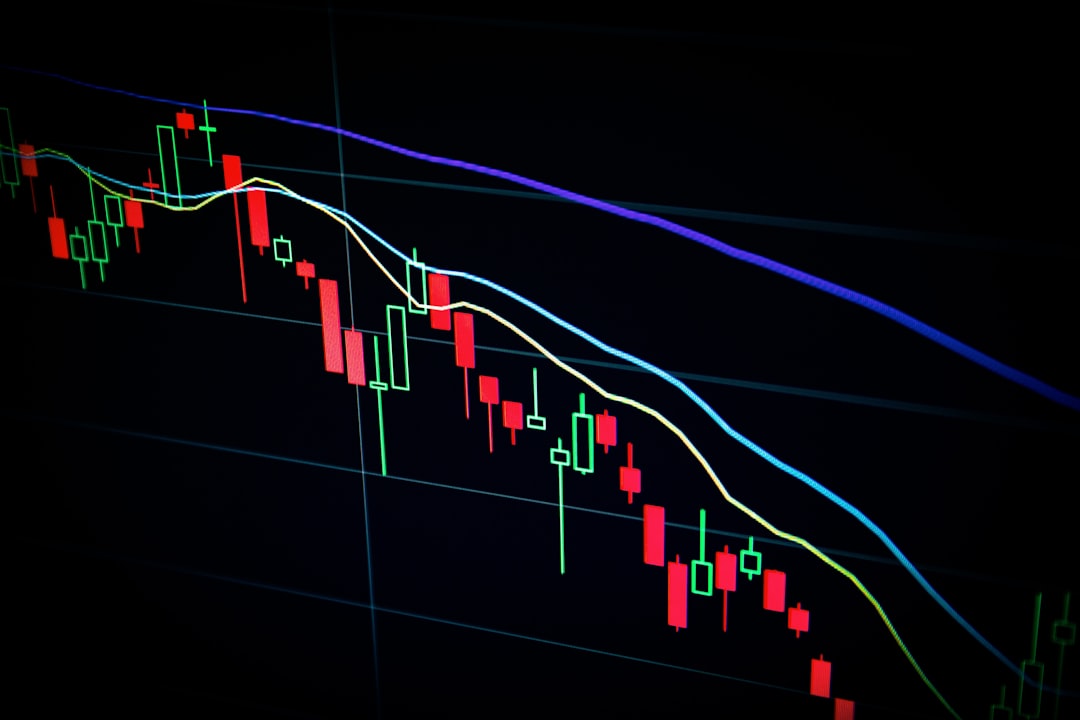

The S&P 500 hit an all-time high on Friday. Champagne corks should be popping, right? Not so fast. Under the hood, this rally is running on fumes, and if you look past the headline number, you'll see warning signs that should worry any investor.
Here's the weird part: the index hit that record on just 16 million shares of SPY volume—about one-third of the normal 50 million daily average. That's like throwing a party where almost nobody showed up, yet somehow claiming it was the biggest bash ever. When markets make new highs on thin volume, it's a red flag.
But it gets worse. Only 53.67% of S&P 500 stocks are trading above their 200-day moving average. At a healthy market top, you'd typically see 70-80% or more. Translation: the index is being dragged higher by a handful of mega-cap names while the majority of stocks are actually struggling. That's called narrow breadth, and historically, it's not a great sign.
Last week, decliners outnumbered advancers 1.5 to 1. Read that again: more stocks went down than up, even as the index climbed. This is what happens when five or six giant tech stocks do all the heavy lifting. Apple beat earnings and popped 3.5%, and suddenly the index looks healthy. Meanwhile, your average stock? Not so much.
April was the best month for stocks in five years, up 10%. Earnings are legitimately crushing expectations—84% of companies beat estimates, with an average growth rate of 27.8%. So why the concern? Because the market is expensive, and it's getting more expensive on fewer and fewer stocks.
Now add in some macro headwinds. Four Federal Reserve members dissented at Wednesday's meeting—the most since 1992. Rate hike odds went from 0% to 9% overnight. Oil is sitting at $102.50 a barrel with the Strait of Hormuz still closed. The next CPI report drops May 13, and it'll have a full month of $100+ crude baked into it. That's not going to be pretty.
Meanwhile, institutional investors are hedging like crazy. The SPY put/call open interest ratio is sitting at 2.2—meaning big money is buying protection like it's late-cycle. They see the same thing you should: this doesn't feel sustainable.