

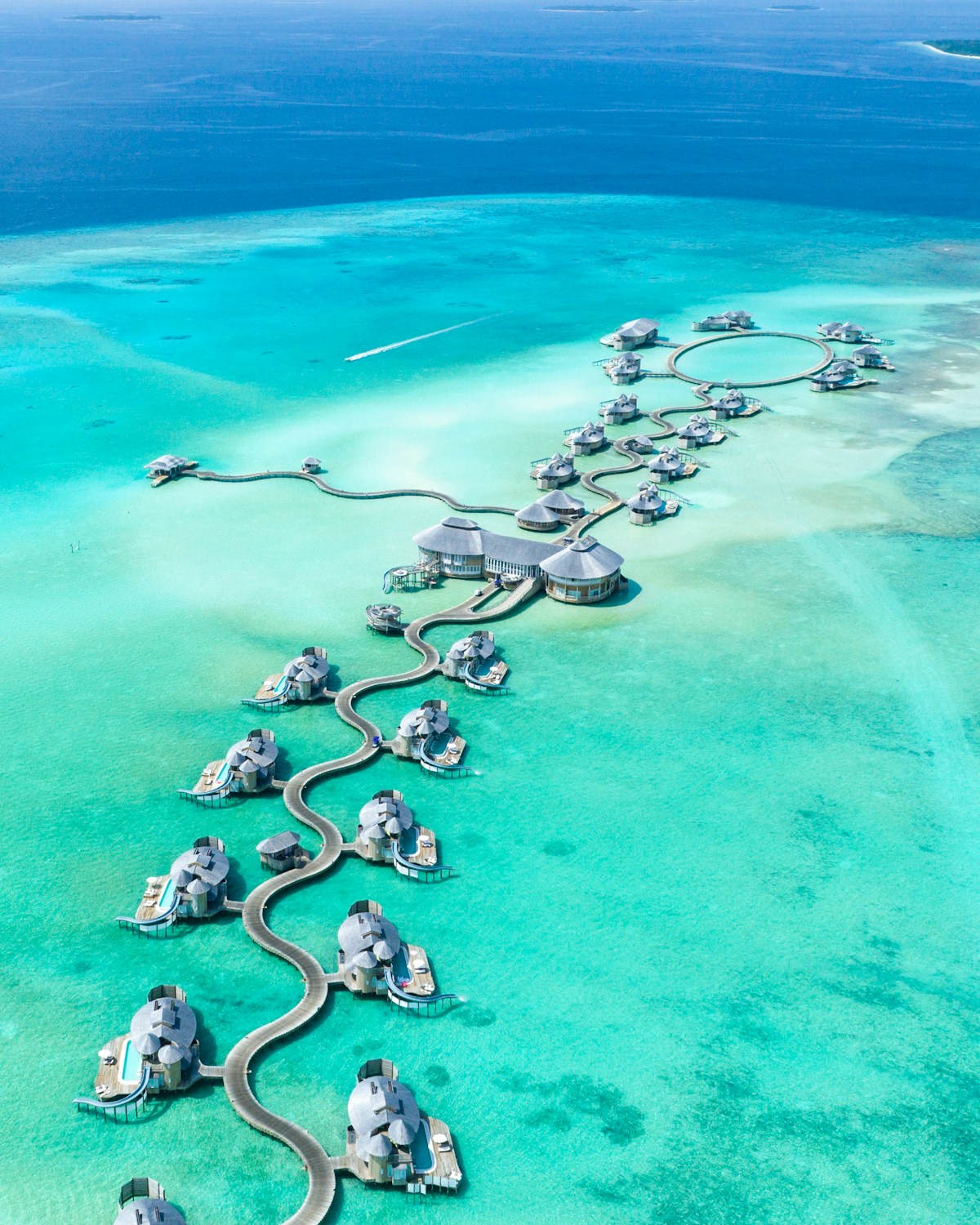
First-time Maldives travelers are experiencing severe decision fatigue when faced with hundreds of resort islands, each with conflicting reviews about food quality, beach erosion, noise levels, and value. The phenomenon reveals how unlimited choice can actually make travel planning harder—especially when significant money is at stake.
The post captures the paralysis: "Dreaming of white beaches, palm trees, bright turquoise water to swim and snorkel in... so we're strongly considering a Maldives trip towards the end of the year (2 people, budgeting about $6,000, would like to do 8-10 nights), but I feel like the more I look into all the islands and resorts the more unsure I become."
The traveler thought Thulhagiri might work—until reviews mentioned subpar food and an ugly wall hiding in photos. Furaveri seemed promising—until reports of too many kids and a "disco party feel" rather than relaxed vibes. Dreamland in Baa Atoll looked unique—until learning the lake comes with mosquitoes and one side of the island requires sandbags to combat beach erosion.
"The more I read, the more uncertain I feel," the traveler concluded.
This isn't unique to the Maldives, but the destination amplifies the problem. When you're investing $6,000 and limited vacation time on a bucket-list trip, the pressure for perfection creates analysis paralysis. Unlike a $50 hotel that's easy to shrug off if it disappoints, a mediocre Maldives resort feels like a massive failure.
The Maldives has over 100 resort islands, each marketed as paradise. They vary by:
Location: Different atolls offer different marine life, wave conditions, and transfer times/costs from the airport.
Budget tier: From $300/night to $3,000/night, with dramatic differences in room quality, food, service, and beach maintenance.


/file/attachments/2991/P1Estellehantaviruscover_411095.jpg)
