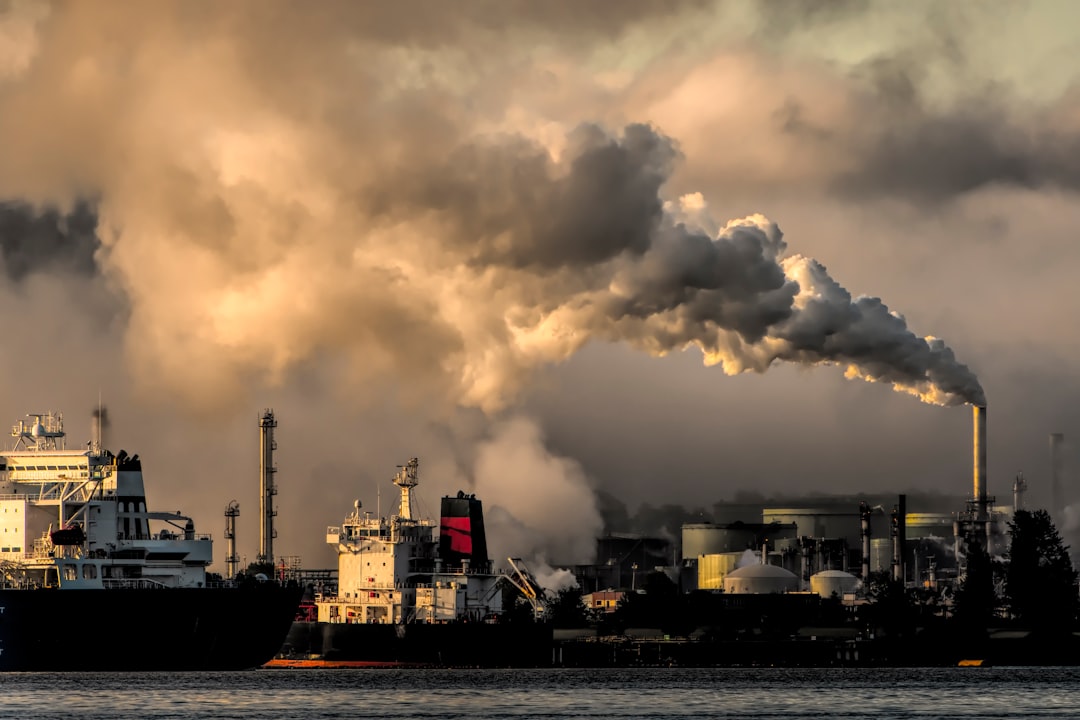
Seven Malaysian-flagged tankers remain anchored near the Strait of Hormuz, waiting for safe passage through the world's most critical oil chokepoint as Middle East tensions threaten Southeast Asia's energy lifeline.
The vessels, carrying crude oil imports bound for Malaysia and regional refineries, have been unable to transit the narrow waterway for the past 72 hours due to escalating security concerns, according to state news agency BERNAMA. The strait handles roughly 30 percent of Southeast Asia's crude imports—approximately 2 million barrels per day—making any disruption a direct threat to the region's energy security.
Insurance premiums for tankers transiting the strait have tripled in the past week, shipping industry sources told BERNAMA, adding between $500,000 and $1 million to the cost of each voyage. Those expenses will ultimately flow through to fuel prices across ASEAN nations already grappling with subsidy reforms and inflation pressures.
Malaysian shipping officials are coordinating with regional navies and international maritime authorities to secure safe passage for the stranded vessels. Alternative routing around the Cape of Good Hope would add 14 days and an estimated $3 million per vessel in additional fuel and operating costs—expenses that refineries cannot easily absorb.
The timing could not be worse for Malaysia, which this week began implementing fuel subsidy cuts that have already sparked public anxiety about rising living costs. Energy analysts warn that prolonged disruptions in the strait could force the government to choose between passing higher costs to consumers or absorbing losses that strain public finances.
Ten countries, 700 million people, one region—and for Southeast Asia, the crisis unfolding 6,000 kilometers away in the Persian Gulf demonstrates just how vulnerable regional integration remains to distant geopolitical shocks. Singapore, Thailand, and Vietnam all face similar exposure, with no immediate alternatives to Gulf crude supplies that have anchored regional energy planning for decades.
Maritime security experts note that while ASEAN nations have diversified trading partners across many sectors, energy dependence on Middle Eastern crude remains stubbornly high—a strategic vulnerability now laid bare as Malaysian tankers wait offshore, their cargoes held hostage to conflicts beyond the region's control.