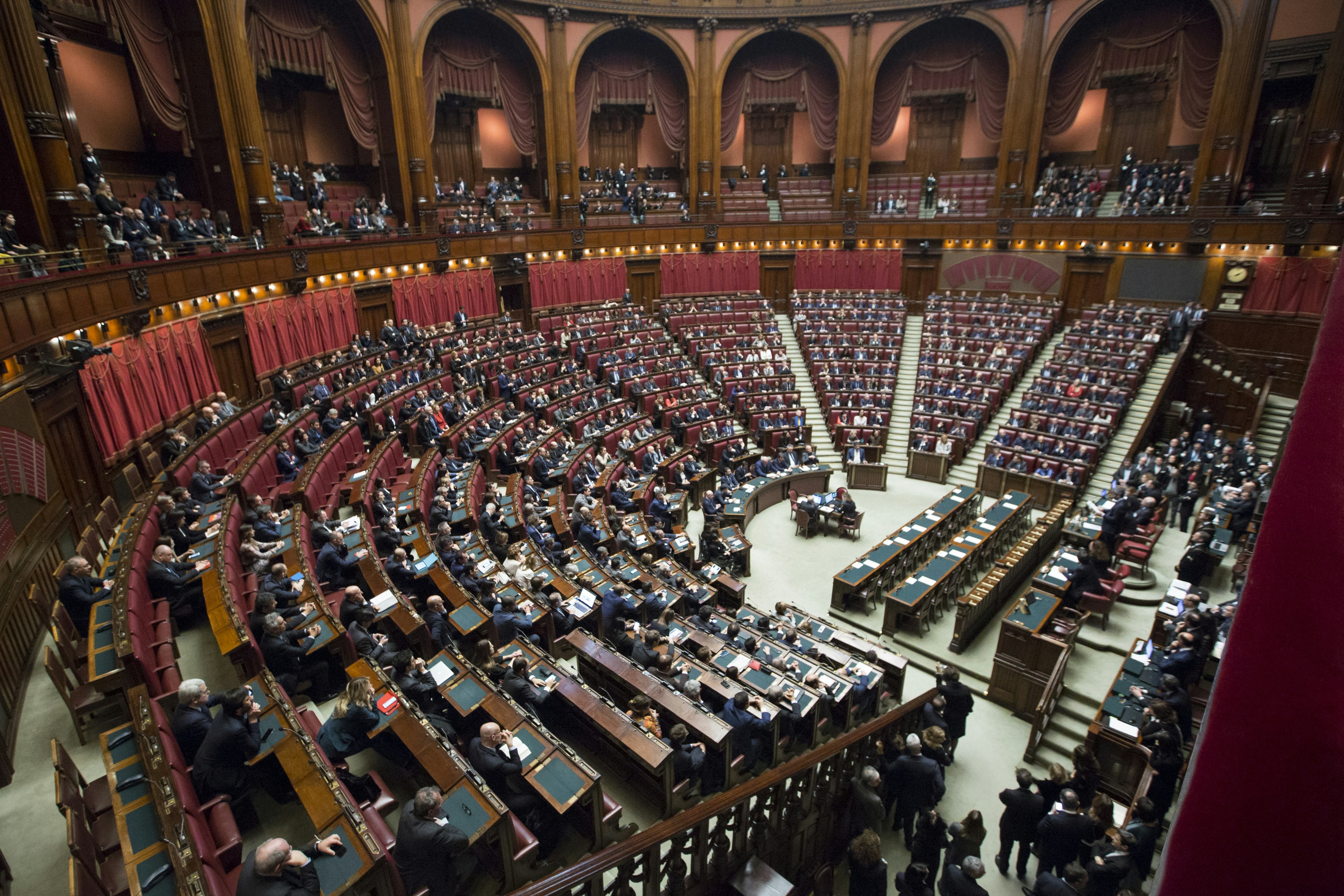
Brussels — In a landmark decision that signals Europe's determination to reduce financial dependence on Washington, French President Emmanuel Macron announced Wednesday that €300 billion in European savings currently flowing to the United States annually will henceforth be invested within Europe.
The announcement, delivered at a European Union summit, marks the formal establishment of the Savings and Investment Union — described by Macron as "a step toward the full Capital Markets Union." All 27 EU member states endorsed the initiative, representing a rare moment of unanimous agreement on a major financial restructuring.
"Every year, €300 billion in European savings fly to America," Macron told assembled leaders. "From now on, this capital will be invested in Europe, in European projects, in European innovation."
To understand today's headlines, we must look at yesterday's decisions. The Capital Markets Union has been under discussion since 2015, when the European Commission first proposed deepening financial integration across member states. Yet progress remained glacial — until recent geopolitical tensions accelerated what years of technical negotiations could not.
The timing is no coincidence. Macron's announcement follows a week of extraordinary tension over Greenland, during which the American president threatened military action against Denmark, a NATO ally, before abruptly backing down. The episode left European capitals stunned and questioning the reliability of the transatlantic partnership that has anchored the continent's security architecture since 1949.
According to Politico, one senior EU official characterized the mood as "our American dream is dead" — a sentiment that appears to have catalyzed the capital markets breakthrough.

The S&I Union aims to create a more integrated European financial market, making it easier for businesses to raise capital across borders and for investors to deploy funds continent-wide. Proponents argue this will boost economic growth, fund innovation, and reduce Europe's vulnerability to external financial shocks.
Critics note, however, that significant obstacles remain. Financial regulation varies widely across member states, and several capitals — particularly in Northern Europe — have historically resisted deeper financial integration, fearing it could expose their banking systems to risk from less disciplined neighbors.
The €300 billion figure cited by Macron reflects years of capital flight, as European pension funds, insurance companies, and individual investors have sought higher returns in American markets. The scale of the shift has long troubled European policymakers, who view it as simultaneously weakening European industry while financing potential competitors.
Washington reacted swiftly and negatively. Within hours of Macron's announcement, the American president threatened "big retaliation" if Europe moved to "dump US assets," according to Bloomberg. The threat underscored the transatlantic economic interdependence that makes financial decoupling politically fraught.
This is not Europe's first attempt at strategic autonomy — a phrase that has echoed through Brussels policy papers for years without producing proportionate action. Previous initiatives foundered on national interests, institutional inertia, and the comfort of American security guarantees.
What's different now is the conjunction of political will, economic necessity, and deteriorating confidence in transatlantic relations. The Greenland crisis demonstrated that even longstanding alliances cannot be taken for granted, providing political cover for moves that would have seemed radical months earlier.
Ursula von der Leyen, President of the European Commission, called the agreement "historic" and pledged rapid implementation. "The geopolitical situation demands that Europe take control of its economic destiny," she said in a statement.
Implementation will not be swift. Financial markets are complex ecosystems that resist rapid restructuring. Legal frameworks must be harmonized, regulatory authorities coordinated, and investor protections standardized. European officials privately acknowledge that full implementation could take a decade.
Yet the political signal is unmistakable: after decades of relying on American financial markets and security guarantees, Europe is charting a more independent course. Whether that independence proves economically viable — and whether Washington makes good on its retaliatory threats — will shape the international order for years to come.