
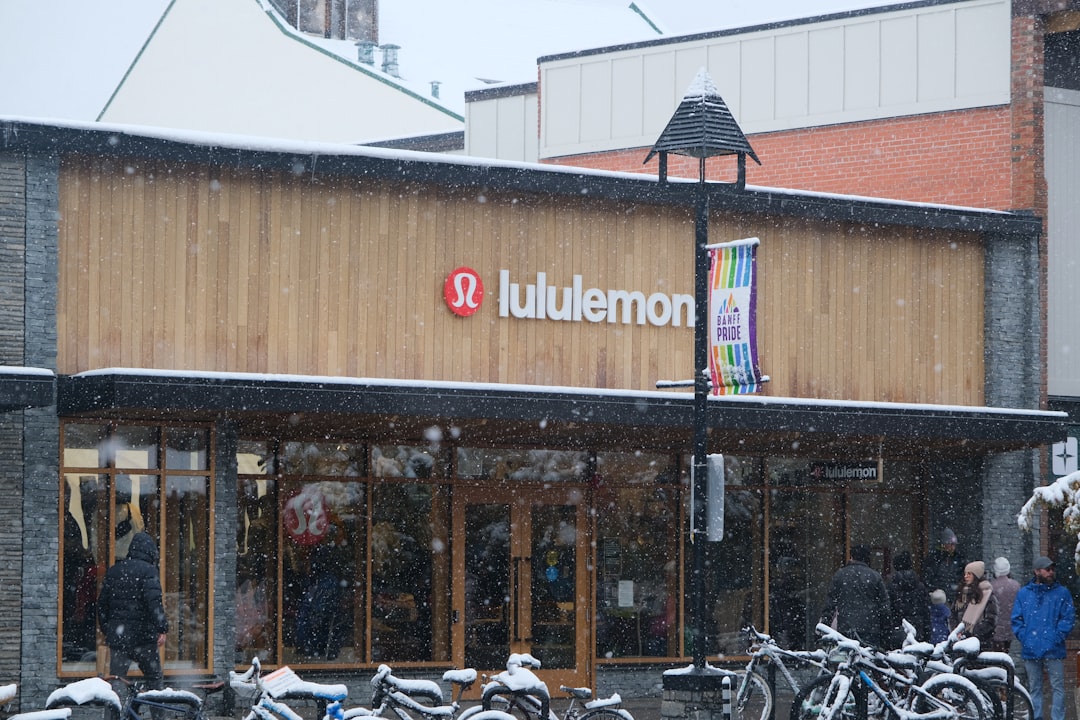
Lululemon Athletica has taken the rare step of publicly rejecting its founder's strategic recommendations, issuing a sharply worded letter that calls Chip Wilson's proposed turnaround plan "misguided" and "not in shareholders' best interests."
The rebuke, posted on the company's investor relations site, comes after Wilson—who retains an 8.4% stake making him one of the largest shareholders—circulated a memo criticizing current management's product strategy and suggesting the company refocus on its core yoga apparel line while abandoning newer categories like running and golf.
This is fundamentally a governance question: when should boards listen to founders versus ignore them? Wilson built Lululemon from a Vancouver yoga studio into a $46 billion athletic apparel empire, giving him credibility that can't be dismissed. But he also departed the company in 2015 after a series of controversial public statements that damaged the brand, suggesting his judgment isn't infallible.
Lululemon's board argues that Wilson's recommendations reflect nostalgia for a business model that no longer fits the competitive landscape. The company faces intense pressure from Nike, Athleta, and emerging direct-to-consumer brands in a market where athleisure has gone mainstream. Sticking to core yoga apparel, management argues, would cede market share in faster-growing categories.
The company's recent performance suggests management has a case. Lululemon posted $9.6 billion in revenue last fiscal year, up 19% year-over-year, with particularly strong growth in men's apparel—a category Wilson's memo suggested scaling back. Gross margins remain healthy at 58%, among the highest in the industry. Stock performance tells a more mixed story, down 12% year-to-date amid broader retail sector weakness.
Still, Wilson's critique raises legitimate questions about product proliferation. Lululemon now offers golf shirts, tennis skirts, and hiking gear—expansions that dilute brand focus and require capital investment in new design and marketing capabilities. Whether that diversification drives sustainable growth or spreads the company too thin remains an open question.
The public nature of the dispute is unusual. Most founder-management conflicts play out in private, with boards either quietly adopting suggestions or politely declining them. Lululemon's decision to issue a public rebuttal suggests either that Wilson was prepared to take his case to shareholders directly, or that management wanted to preemptively shut down internal second-guessing. Either way, the message is clear: this board isn't interested in a nostalgia-driven strategy, even from the man who built the company.