
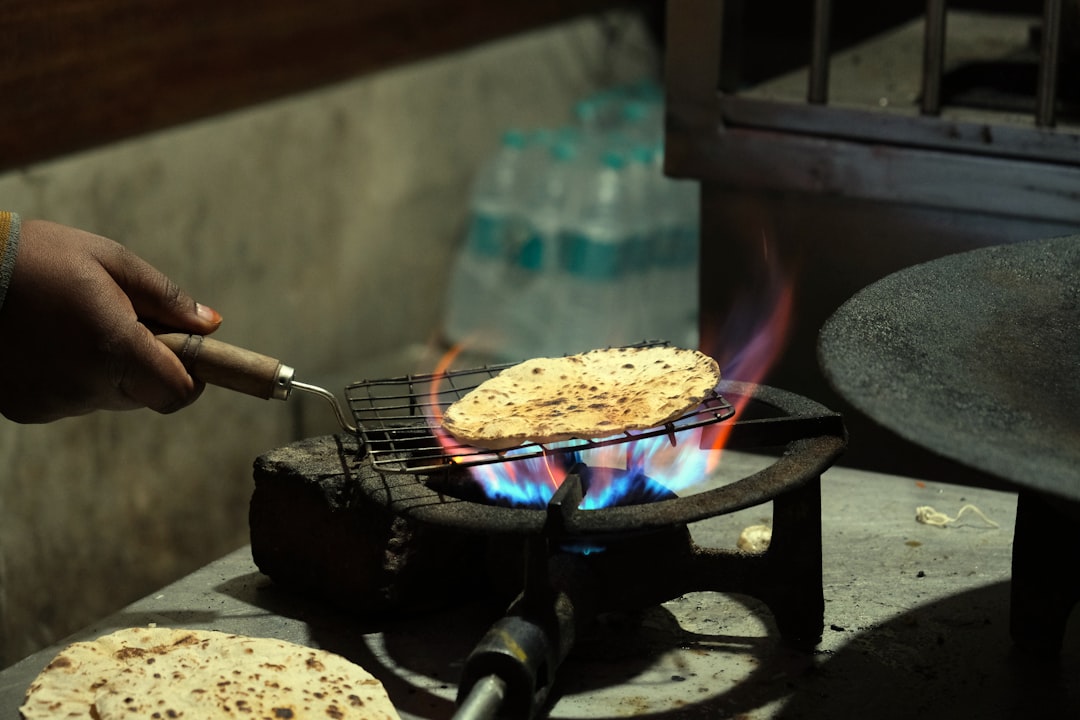
A severe shortage of commercial LPG cylinders is threatening to force restaurant closures across Maharashtra and Karnataka, as global supply disruptions ripple through India's food service industry in one of the country's most economically vital regions.Restaurant owners in Mumbai, Pune, and Bengaluru report difficulty obtaining commercial cooking gas, with some establishments unable to secure supplies for days at a time. The shortage affects both large restaurant chains and small eateries that form the backbone of urban India's food economy."We've been calling distributors for three days with no luck," said the owner of a Mumbai restaurant, speaking on condition of anonymity. "If this continues, we'll have no choice but to close temporarily. We can't serve customers without gas."In India, as across the subcontinent, scale and diversity make simple narratives impossible—and fascinating. The commercial food service sector employs millions of workers across India's urban centers, from chefs and cooks to delivery personnel and support staff. A sustained LPG shortage could ripple through the entire employment chain.The shortage stems from global supply chain disruptions linked to the escalating conflict in West Asia, which has affected energy markets and logistics networks. India imports a significant portion of its LPG requirements, making it vulnerable to international supply shocks.According to India Today reports, the crisis is particularly acute in Maharashtra and Karnataka—two states that together account for a substantial share of India's restaurant industry and GDP. Mumbai and Bengaluru are among India's largest cities, with vibrant food cultures and extensive hospitality sectors.Commercial LPG differs from domestic cooking gas in pricing, cylinder size, and distribution networks. While the government subsidizes domestic LPG to some extent, commercial users pay market rates and rely on private distributors who operate under different supply arrangements.Industry associations have appealed to state and central governments for , requesting priority allocation of available LPG supplies to food service businesses to prevent widespread closures and job losses.The shortage comes at a particularly difficult time for the restaurant industry, which is still recovering from pandemic-related disruptions. Many establishments operate on thin margins and lack the financial reserves to weather extended closures or source alternative fuel at premium prices.Some restaurants have attempted to switch to alternative cooking fuels, but this requires —investments that smaller establishments can't easily make. Traditional clay ovens and wood-fired cooking aren't practical for most urban restaurants.The crisis highlights India's despite being one of the world's fastest-growing economies. The country imports approximately 50% of its LPG requirements, with suppliers in the Middle East playing a crucial role. Disruptions to those supply routes—whether from conflict, logistics issues, or pricing disputes—directly impact Indian consumers and businesses.Economic analysts note that the restaurant sector's struggles could affect broader consumer spending patterns, as dining out represents a significant discretionary expense for India's expanding middle class. Extended shortages could dampen economic activity in urban centers that drive national growth.The central government has not yet announced specific measures to address the commercial LPG shortage, though officials have stated that domestic cooking gas supplies remain adequate. The distinction reflects policy priorities that favor household consumers over commercial users during supply constraints.For workers in the food service industry—many from economically vulnerable backgrounds—the shortage poses immediate threats to livelihoods. Extended restaurant closures could force layoffs in a sector that provides employment to millions with limited alternative opportunities.
|