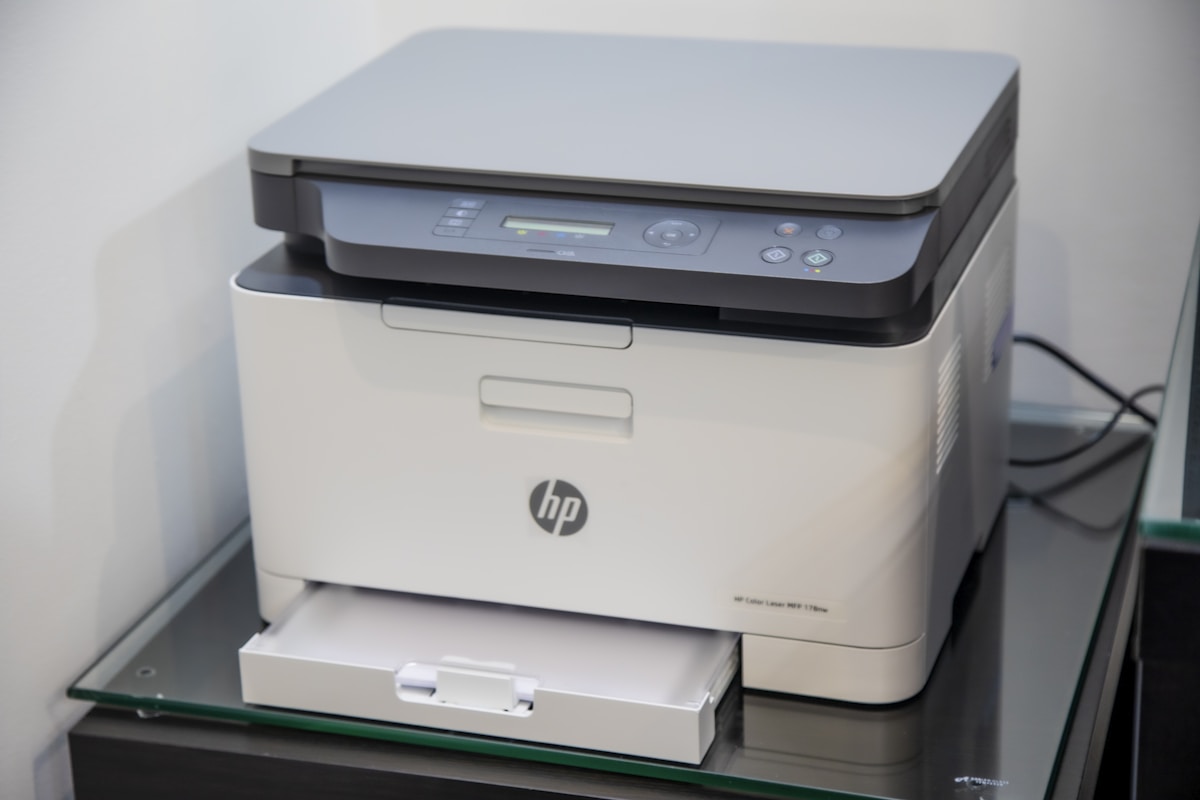
Los Angeles just voted to ban single-use printer cartridges, finally addressing what might be consumer tech's longest-running con: printers that cost $50 but whose ink refills cost $70.
For decades, printer manufacturers have sold hardware at a loss and made their money on proprietary ink cartridges that cost more per ounce than vintage champagne. They've used firmware updates to block third-party cartridges, implemented chip-based authentication to prevent refilling, and even bricked printers when users tried generic ink.
It's been a beautiful business model - for printer companies. For consumers and the environment, it's been a disaster. Single-use cartridges generate massive plastic waste, cost consumers far more than refillable alternatives, and create artificial scarcity for a product that's fundamentally just colored liquid in a plastic shell.
LA's ban targets exactly this model. While specific implementation details are still being finalized, the measure aims to force manufacturers to design cartridges that can actually be refilled and reused, rather than engineered-to-fail plastic that ends up in landfills after a few hundred pages.
The printer industry's response has been predictable: concerns about quality, warnings about compatibility issues, vague threats about increased costs. These are the same arguments they've used for years to justify a business model that treats customers like captive revenue streams.
But the economics tell a different story. Refillable cartridge systems already exist - they're just not what manufacturers want to sell you. Independent refill services have operated for years, offering ink at a fraction of OEM prices. The technology works. The industry just doesn't profit from it.
Los Angeles is the second-largest city in the United States. When a market that big starts regulating printer cartridges, manufacturers have two choices: design products that meet the standard, or lose access to millions of customers.
The broader implication is about what happens when policy finally catches up to profit-seeking absurdity. Printer ink has been more expensive than champagne for decades. This is what it looks like when someone finally asks why.