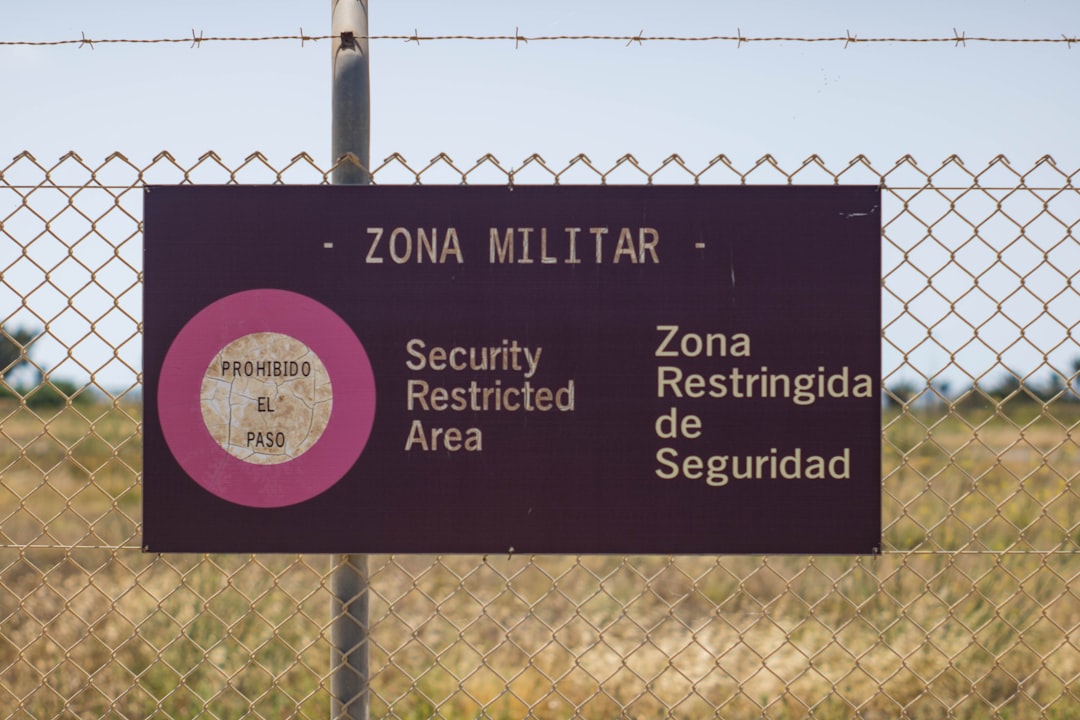
Lithuanian defense officials have issued a stark warning that Russia is positioning military forces along NATO's eastern frontier in preparation for a potential conflict within six years, United24 Media reported. The assessment comes as European nations accelerate rearmament programs amid growing doubts about the reliability of American security guarantees under the Trump administration.
Lithuanian Defense Minister Laurynas Kasčiūnas delivered the warning at a NATO defense ministers meeting in Brussels, presenting intelligence assessments showing Russian military buildup in Kaliningrad, Belarus, and along the borders with Estonia and Latvia. "We are observing a systematic repositioning of Russian forces consistent with long-term offensive planning," he stated.
The Lithuanian assessment indicates that Russia is not merely replacing equipment lost in Ukraine, but is actively expanding its western military district with additional brigades, air defense systems, and logistics infrastructure. This suggests Moscow is preparing for a future confrontation with NATO that extends beyond the current Ukraine conflict.
To understand today's headlines, we must look at yesterday's decisions. I covered the 2014 annexation of Crimea and the initial Russian intervention in Donbas. At that time, Baltic officials warned that Moscow's aggression would not stop with Ukraine. Those warnings were largely dismissed in Western capitals. Today, with Russian forces actually massed on NATO borders, those early assessments appear prescient.
The six-year timeline reflects Lithuanian intelligence estimates of how long Russia will need to rebuild its military after the Ukraine war while simultaneously positioning forces for potential operations against NATO. Russian defense industry has shifted to a wartime production footing, with tank, artillery, and missile production increasing substantially despite Western sanctions.
Particularly concerning is the buildup in Kaliningrad, the heavily militarized Russian exclave wedged between Lithuania and Poland. Intelligence reports indicate Russia has deployed additional Iskander ballistic missile systems to the territory, capable of striking targets across the Baltic states and much of Poland with nuclear or conventional warheads.
The Lithuanian warning has catalyzed discussions in European capitals about the adequacy of current defense preparations. Germany has announced plans to increase defense spending to 3.5% of GDP by 2030—a remarkable shift for a nation that spent decades maintaining minimal military capabilities. Poland is already spending over 4% of GDP on defense and has ordered substantial quantities of advanced weaponry from South Korea and the United States.
NATO Secretary General Mark Rutte acknowledged the Lithuanian assessment and pledged that the alliance would "adapt our posture accordingly." However, European officials privately express concern that NATO's response mechanisms remain too slow and that political consensus for robust deterrence measures is difficult to achieve across 32 member states.
The assessment also highlights the vulnerability of the Suwalki Gap—a 65-kilometer stretch of territory connecting Poland and Lithuania that represents the only land corridor between the Baltic states and the rest of NATO. Russian control of this area would cut off the Baltic nations from rapid reinforcement, making them extraordinarily difficult to defend.
British defense analysts who reviewed the Lithuanian intelligence assessment told me it is consistent with their own observations of Russian force movements. "Moscow is clearly planning beyond Ukraine," one senior analyst said on condition of anonymity. "The question is whether NATO will be ready when that planning translates into action."
The warning comes at a moment of significant uncertainty about American commitment to NATO. President Trump has repeatedly questioned the alliance's value and suggested that European nations are not contributing sufficiently to their own defense. While the administration has not formally withdrawn from NATO, the rhetoric has created doubt about whether Washington would honor Article 5 collective defense commitments.
This uncertainty is driving European efforts toward strategic autonomy—the ability to defend the continent without necessarily relying on American military power. However, the reality is that Europe currently lacks the military capacity to deter Russia without American involvement. European nations possess limited long-range strike capabilities, insufficient air defense systems, and inadequate ammunition stockpiles for sustained high-intensity conflict.