Lisbon ranks among Europe's most beautiful cities, with stunning architecture, incredible food, and views around every corner. But travelers discover one brutal truth within hours of arrival: this city is basically a StairMaster in urban form.
A travel report on r/travel from a six-day Lisbon visit captures both the city's visual appeal and its punishing topography. The traveler's assessment: "genuinely one of the prettiest cities I've been to" followed immediately by the warning that Lisbon "had me fighting for my life" with endless hills and staircases.
The city's seven hills aren't gentle inclines—they're steep climbs that turn simple neighborhood walks into cardio workouts. Alfama, the historic district, requires navigating narrow cobblestone streets that wind upward in seemingly endless succession. Getting from downtown to viewpoints means conquering multiple flights of stairs or choosing between exhaustion and missing spectacular views.
But those views justify the effort. The 25 de Abril Bridge (the red suspension bridge resembling San Francisco's Golden Gate) dominates the skyline, while the Sanctuary of Christ the King across the river offers panoramic city perspectives. Neighborhood wandering in areas like Alfama and downtown reveals the colorful azulejo tiles, pastel buildings, and architectural details that make Lisbon photogenic from every angle.
The food scene delivers consistently excellent experiences at reasonable prices compared to other Western European capitals. Portuguese cuisine emphasizes seafood, rich stews, and the famous pastéis de nata custard tarts. Lisbon's restaurant scene ranges from traditional tascas to contemporary interpretations, with most options offering far better value than Paris or London.
Social atmosphere is another highlight. The city attracts a international mix of travelers, digital nomads, and locals who create a welcoming vibe. Meeting people happens naturally in hostels, at viewpoint miradouros, or in neighborhood bars. Lisbon has become a hub for young travelers and remote workers, bringing energy without the overwhelming tourist crush of Barcelona or Rome.
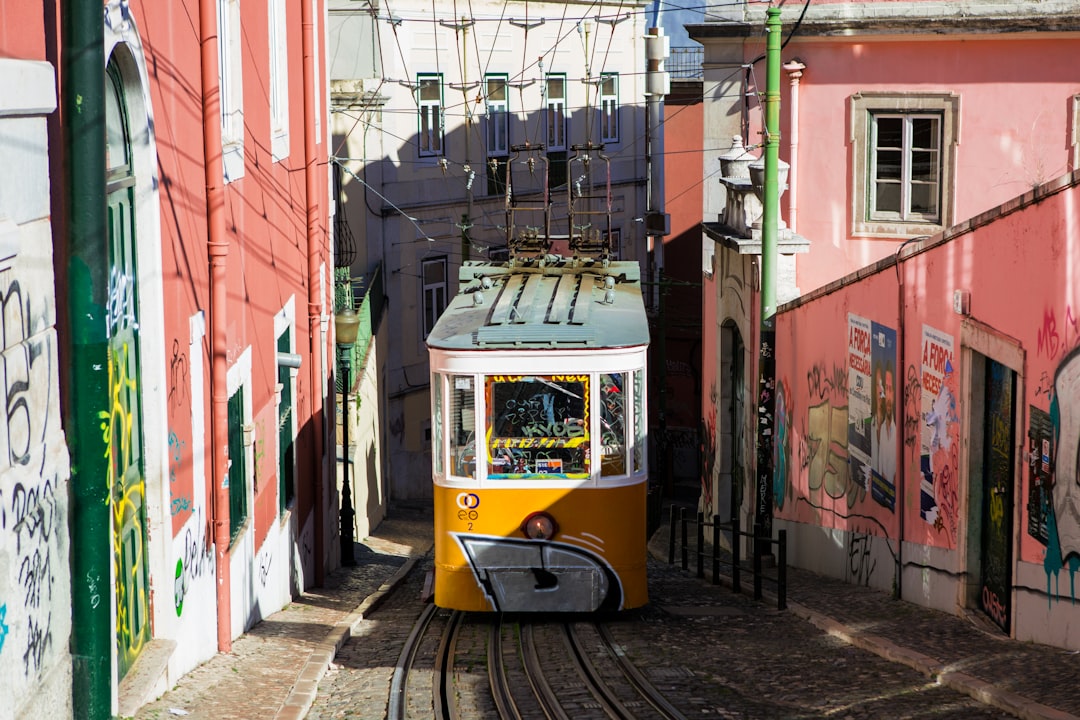
Transportation options exist for those not interested in leg day workouts. The iconic yellow trams navigate the hills (though they're often packed with tourists). The metro system works efficiently for longer distances. And the city's famous elevadores—ornate public elevators and funiculars—help conquer some vertical challenges, though lines can be long at peak times.
The downside of Lisbon's popularity is overtourism in central areas. Bairro Alto and Alfama see heavy foot traffic, particularly during summer months. Short-term rentals have driven up housing costs, creating tensions between residents and the tourism industry. Travelers should be mindful of these impacts and consider supporting local businesses rather than international chains.
Practical advice for first-time visitors: bring comfortable walking shoes with good grip for cobblestones and hills. Budget more time than expected for walking between attractions—what looks like a short distance on a map might involve serious climbing. Stay hydrated, especially in summer when temperatures climb and the exertion compounds.
Six days provides enough time to explore the city properly without rushing, though many travelers find themselves wanting more time. Day trips to Sintra, Cascais, or the beaches of Costa da Caparica add variety beyond city sightseeing.
The best travel isn't about the destination—it's about what you learn along the way. And Lisbon teaches that sometimes the most beautiful cities demand physical sacrifice—but the sore legs are absolutely worth it for the views, culture, and experiences waiting at the top of each climb.