

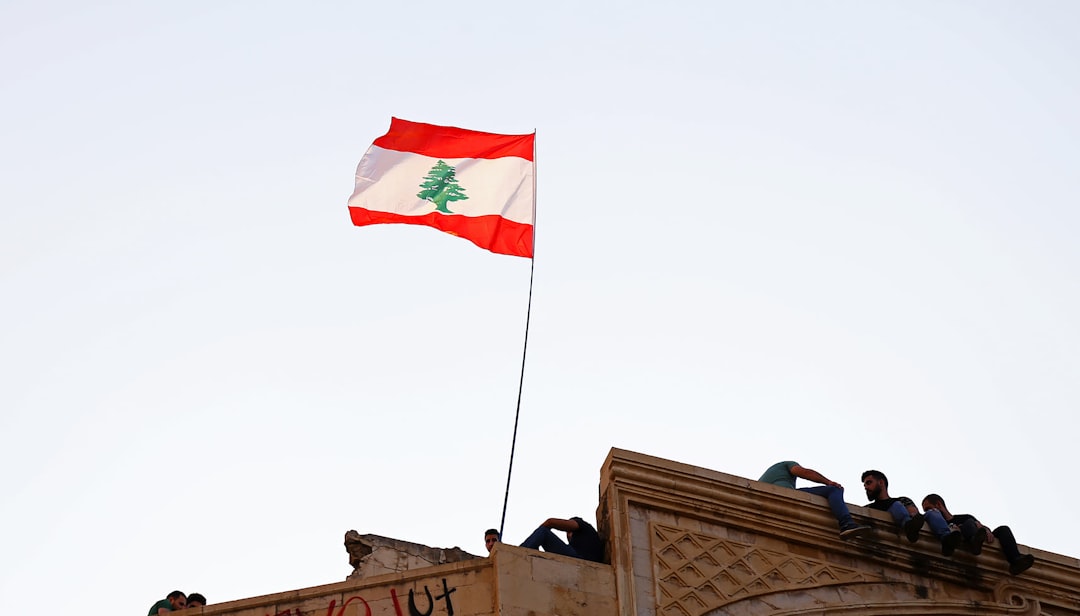
Lebanon's government has drawn rare public appreciation for its handling of the current crisis, a marked contrast to the institutional paralysis that characterized previous conflicts, according to residents and observers of Lebanese governance.
Daily briefings at 6:30 PM, coordinated emergency response protocols, and visible government presence during displacement operations represent a fundamental departure from the dysfunction that defined the Najib Mikati administration during the 2024 war with Israel.
"I cannot fully articulate the difference," wrote one Lebanese resident who remained in the country during both conflicts. "In the last war, the government was practically nonexistent. They made no announcements, had no contingency plans, and lacked any security preparations to manage the local situation."
The Mikati government, which governed Lebanon from 2021 to 2024 during an unprecedented economic collapse and political vacuum, was defined by institutional paralysis. Cabinet meetings were frequently canceled due to sectarian disputes. Ministers publicly contradicted each other. Basic government functions—from trash collection to electricity provision—largely ceased.
During Israel's September-November 2024 campaign against Hezbollah, Lebanese civilians fleeing southern villages arrived in Beirut to find no coordination, no shelter registration system, and no official information about safe zones or aid distribution. Humanitarian organizations filled the vacuum, but the absence of state authority was glaring.
By contrast, the current government—formed in February 2026 after Joseph Aoun's election as president ended a two-year vacancy—has demonstrated basic competence that Beirut residents find almost shocking.
The Disaster Risk Management unit now publishes updated displacement figures hourly. The Ministry of Social Affairs coordinates with UNHCR and local municipalities to manage shelter capacity. The army has deployed visibly in conflict zones and along evacuation routes. Most significantly, government spokespeople deliver consistent messaging—a departure from the cacophony of contradictory statements that marked previous crises.
Whether this represents sustainable institutional reform or simply temporary effectiveness under crisis pressure remains an open question. Lebanon's political system—a sectarian power-sharing arrangement that allocates government positions by religious affiliation—has historically rewarded patronage over performance.
/file/attachments/2991/P1Estellehantaviruscover_411095.jpg)


