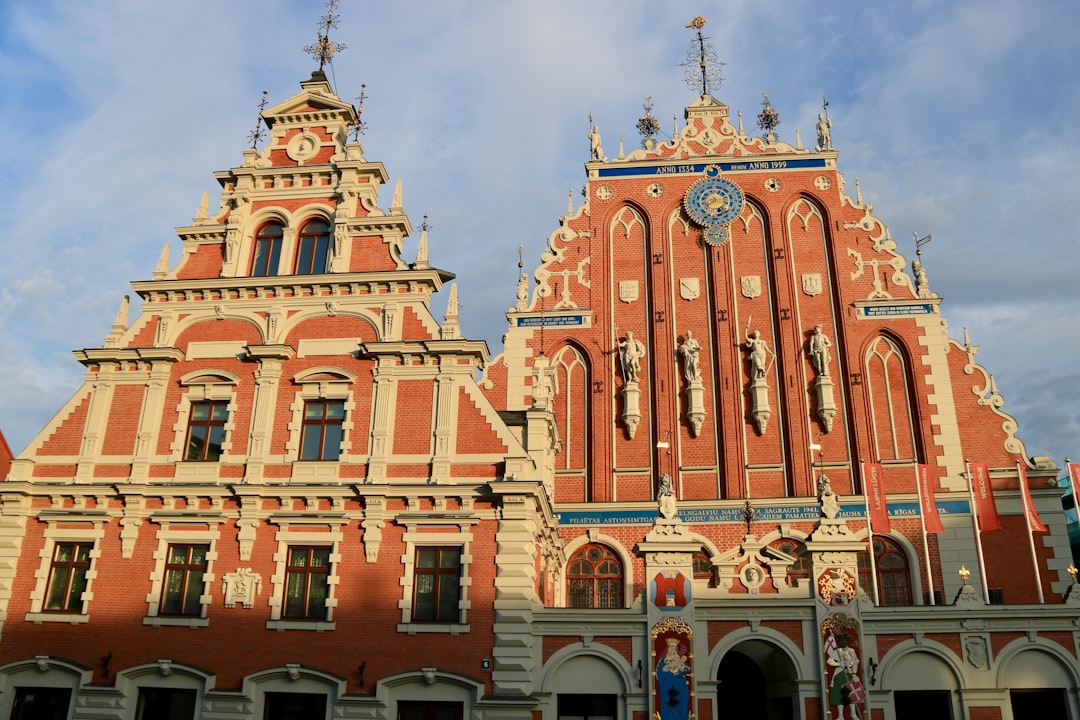
Latvia's governing coalition collapsed today after coalition partners withdrew their support from Prime Minister Jānis Vilnītis, triggering political uncertainty in one of NATO's eastern flank states at a time of heightened regional security concerns.
The breakdown follows weeks of tensions within the multi-party coalition over budget policy and public sector reforms. Coalition partners publicly announced their decision to withdraw support, making the government's position untenable and forcing negotiations toward forming a new cabinet.
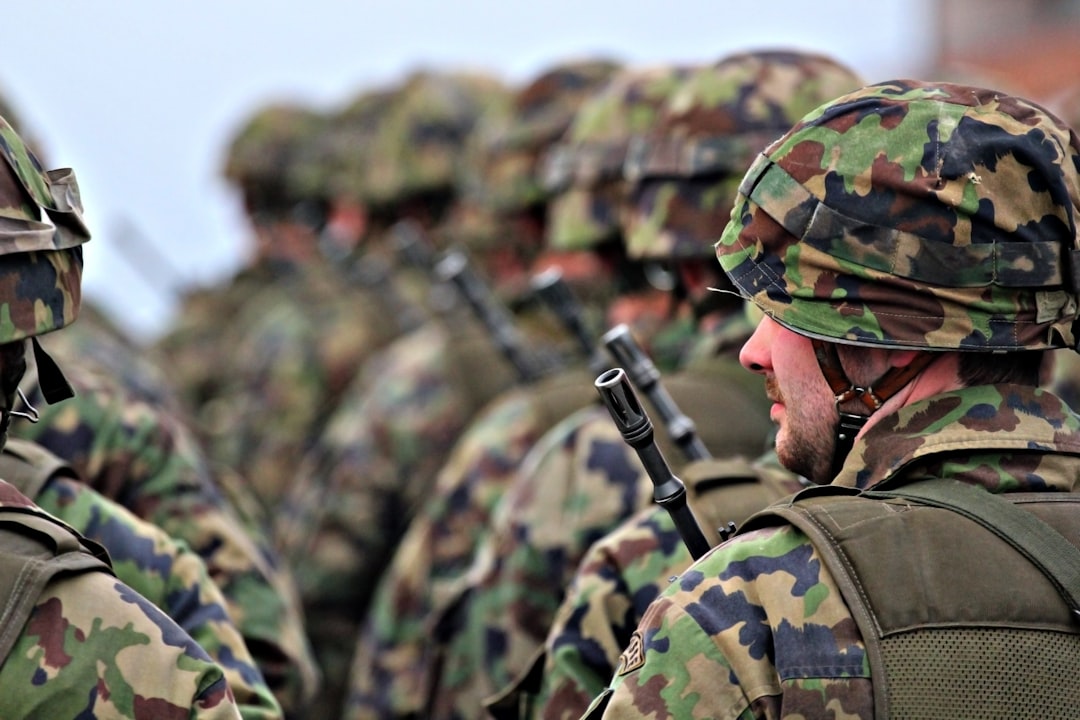
In the Baltics, as on NATO's eastern flank, geography and history create an acute awareness of security realities. The political instability comes at a delicate moment—Latvia has been coordinating closely with Estonia and Lithuania on joint defense procurement and regional security initiatives worth billions of euros.
The timing could complicate Baltic regional coordination. All three Baltic states have consistently exceeded NATO's 2% defense spending target and have positioned themselves as leaders on Russia deterrence policy within the alliance. A prolonged government formation process in Riga may slow decision-making on critical defense investments and infrastructure projects.
Latvian political observers expect coalition negotiations to begin immediately. The country's fragmented party system typically requires multi-party coalitions, and previous government formations have taken several weeks to complete. The question now is whether the current coalition partners can bridge their differences or whether entirely new configurations will emerge.
For Latvia's NATO allies, the key concern is continuity on security policy. The country hosts significant alliance infrastructure and has been a vocal advocate for increased NATO presence in the Baltic region. Defense officials from allied nations will be watching closely to ensure that Latvia's commitments to regional defense cooperation remain on track regardless of domestic political changes.
The coalition collapse also raises questions about Latvia's economic policy direction. The country has been managing inflation pressures and labor market challenges common across the Baltic states, and extended political uncertainty could complicate reform efforts.
Latvian President Edgars Rinkēvičs will now play a crucial role in facilitating coalition negotiations and ensuring the formation of a stable government capable of addressing both domestic policy priorities and the country's security responsibilities as a frontline NATO member state.