
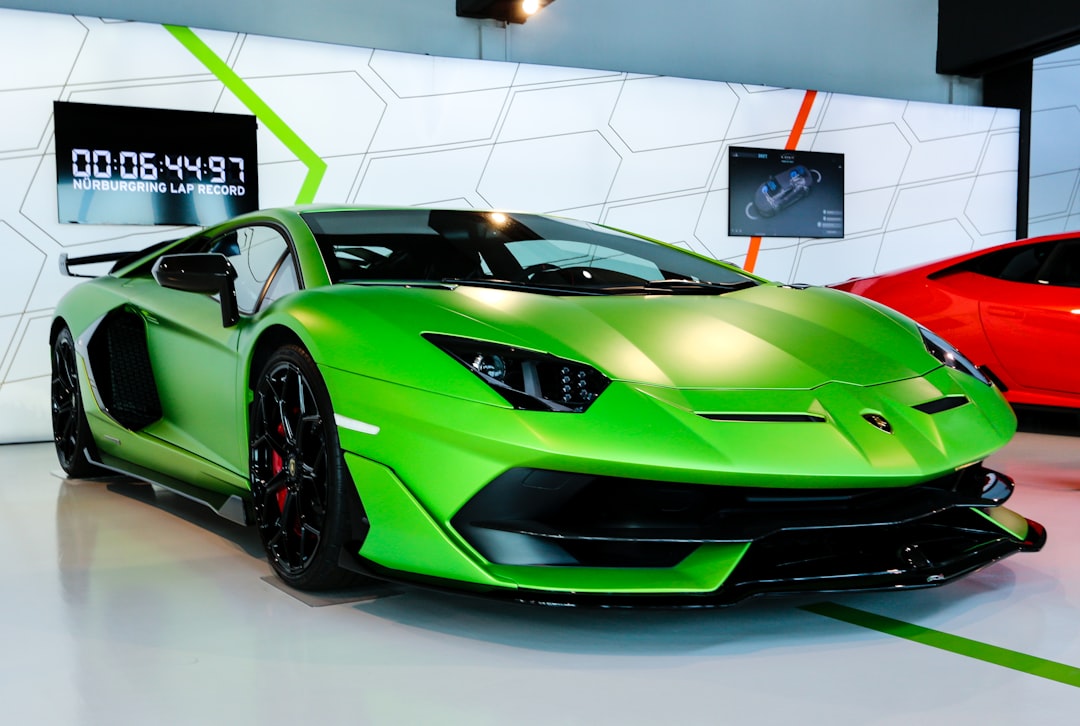
Lamborghini has canceled its fully electric Lanzador supercar, marking a dramatic strategic reversal as luxury automakers confront harsh market realities about EV demand among high-net-worth buyers.
CEO Stephan Winkelmann didn't mince words in explaining the decision: investing heavily in battery electric vehicles would be "financially irresponsible" for the Italian supercar maker. Instead, the company will pivot toward plug-in hybrid technology for future models.
The cancellation signals something Wall Street has been slow to acknowledge: luxury car buyers aren't demanding EVs. While mass-market consumers show interest in electric vehicles for cost savings and environmental credentials, supercar customers—who spend $300,000+ on vehicles—prioritize performance, sound, and driving experience over electrification.
This isn't just about one canceled model. Winkelmann's blunt assessment challenges the industry orthodoxy that all automakers must go all-electric. For Lamborghini, doubling down on EVs would mean massive R&D investments, retooled manufacturing, and new battery supply chains—all to serve a customer base that hasn't asked for electric supercars.
The numbers tell the story. Lamborghini's current hybrid models are selling well. The Revuelto plug-in hybrid supercar has strong order books. Customers accept electrification when it enhances performance without sacrificing the visceral experience of a high-revving engine. But pure EVs? The market isn't there.
Other luxury brands should pay attention. Ferrari, Aston Martin, and McLaren have all announced EV plans, betting that regulations and customer preferences will force the transition. Lamborghini's reversal suggests that smaller, specialized manufacturers can't afford to follow mass-market strategies.
The financial calculus is straightforward: developing electric platforms costs billions. Lamborghini sells roughly 10,000 vehicles annually—a rounding error compared to Volkswagen Group's mass-market brands. Spreading EV development costs across such low volumes makes luxury EVs either financially ruinous or prohibitively expensive.
Plug-in hybrids offer a pragmatic middle ground. They provide electric driving range for emissions compliance while maintaining combustion engines for performance. For a brand built on emotional, not rational, purchases, that compromise makes business sense.
What does this mean for the broader auto industry? The EV transition isn't monolithic. Mass-market brands face different pressures than luxury specialists. Regulations matter more when you sell millions of units across multiple markets. But niche manufacturers serving affluent customers have flexibility that Detroit and Stuttgart lack.
Lamborghini's decision also reflects reality at parent company Volkswagen Group, which has pulled back from aggressive EV timelines as demand disappoints and losses mount. When even the world's largest automaker acknowledges EV economics don't work yet, smaller brands have cover to make similar choices.
The Lanzador cancellation is financially prudent and strategically sound. Winkelmann is doing what CEOs should do: allocating capital based on customer demand and shareholder returns, not industry groupthink. If luxury buyers wanted electric Lamborghinis, the company would build them. They don't, so it won't.
That's not climate denial or technological backwardness. It's business reality. And for once, a CEO said it out loud.