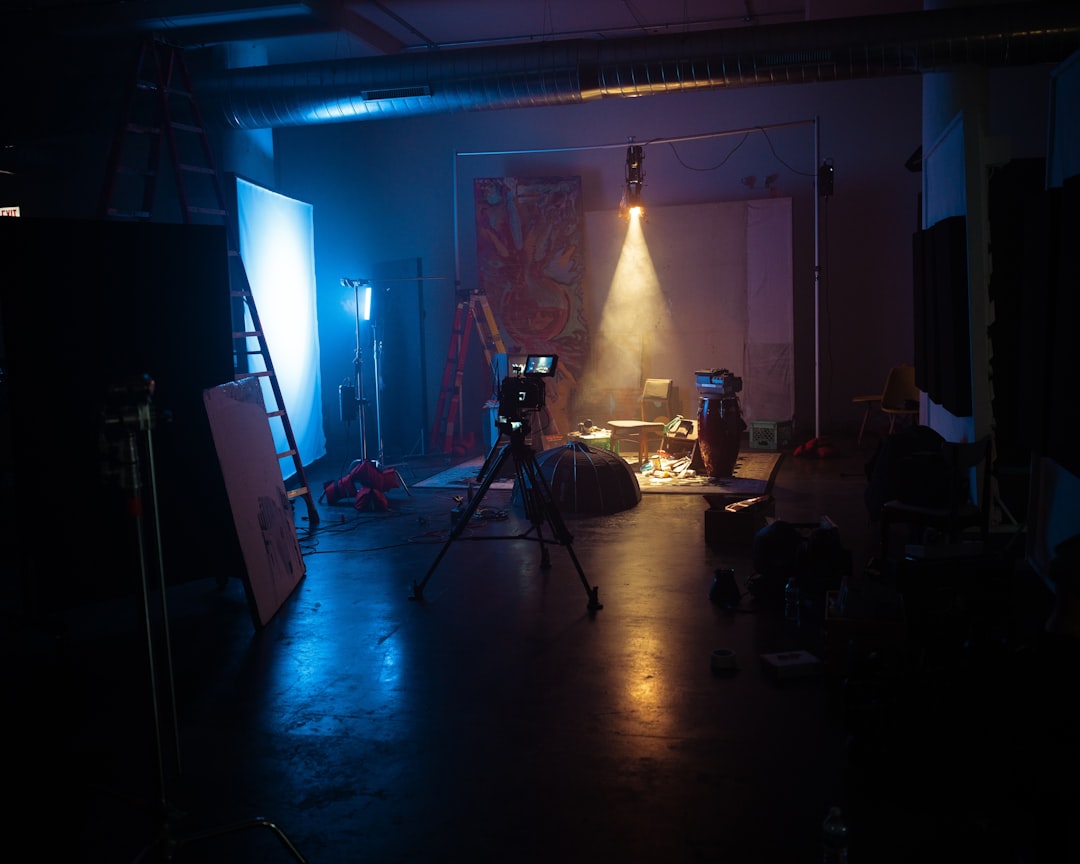
Here's the story everyone in Hollywood is talking about but nobody wants to say out loud: Los Angeles soundstages are sitting one-third empty even as new facilities continue to open, according to FilmLA's latest report. That's not a soft market - that's a crisis.
The math is brutal. During the streaming boom of 2019-2022, production companies built massive new soundstage complexes across Los Angeles, betting on infinite content growth. Netflix, Amazon, Apple, Disney+ - they all needed space for their ambitious slates. So developers built it, local governments incentivized it, and everyone assumed the demand was permanent.
Then came 2023's dual strikes, the streaming contraction, and the cold realization that "peak TV" was actually a bubble. Now we've got more soundstage capacity than at any point in LA history, and nobody's using it. The FilmLA numbers show occupancy hovering around 65-70% when a healthy market should be at 85-90%.
This isn't just about empty buildings - it's about thousands of below-the-line workers sitting idle, production companies fleeing to cheaper markets with better tax incentives, and California slowly losing its grip on the industry it invented. Georgia, Louisiana, and Canada already siphoned off mid-budget productions; now even tentpole projects are considering alternatives.
The irony? Hollywood spent decades complaining about not having enough infrastructure to support production demand. Now it has the infrastructure, but the streamers who drove that demand are cutting budgets, canceling shows, and prioritizing profitability over growth. We overbuilt for a future that never arrived.
What's the solution? There isn't an easy one. can't compete on tax incentives without gutting other services, and streaming platforms aren't going back to their spending-spree days. Some of these new facilities will probably go bankrupt; others will convert to warehouses or offices. The soundstage glut is here to stay.