Trip reports from Kyrgyzstan's Ak-Suu Traverse are highlighting the country's appeal for serious hikers seeking remote mountain experiences without the crowds or costs of Nepal or Patagonia.
The Tian Shan mountains near Karakol offer multi-day alpine trekking that remains relatively undiscovered by Western travelers, positioning Kyrgyzstan as Central Asia's emerging adventure destination.
The Ak-Suu Traverse
Recent trip reports from the Ak-Suu Traverse describe a remote multi-day trek through high alpine terrain. The route traverses mountain passes, alpine lakes, and valleys with minimal infrastructure — appealing to trekkers seeking genuine wilderness rather than established teahouse circuits.
One hiker who completed the traverse solo in June 2025 described it as their "first time in Central Asia" and "highly recommend[ed] anyone to visit the beautiful country." The route, accessible from Karakol, requires basic mountaineering skills and comfort with remote trekking.
Why Kyrgyzstan Remains Under the Radar
Kyrgyzstan offers legitimate alpine trekking comparable to more famous destinations, yet sees a fraction of the visitors. Several factors explain this:
Geographic perception: Many Western travelers struggle to locate Kyrgyzstan on a map or confuse it with neighboring countries. Central Asia generally lacks the tourism marketing of Southeast Asia or South America.
Limited infrastructure narrative: While Kyrgyzstan has less developed tourism infrastructure than Nepal or New Zealand, this reputation often exceeds reality. Bishkek and Karakol have hostels, tour operators, and trekking resources. The country isn't as remote or difficult as many assume.
Visa and logistics concerns: Kyrgyzstan offers visa-free access for many nationalities, but travelers often assume Central Asian countries require complex visa processes. This outdated perception keeps casual trekkers away.
The Comparison to Established Destinations
Adventure travelers constantly seek "the next" destination before it gets crowded. Kyrgyzstan offers what Nepal provided decades ago: spectacular mountain scenery, genuine local culture, and low costs without mass tourism.
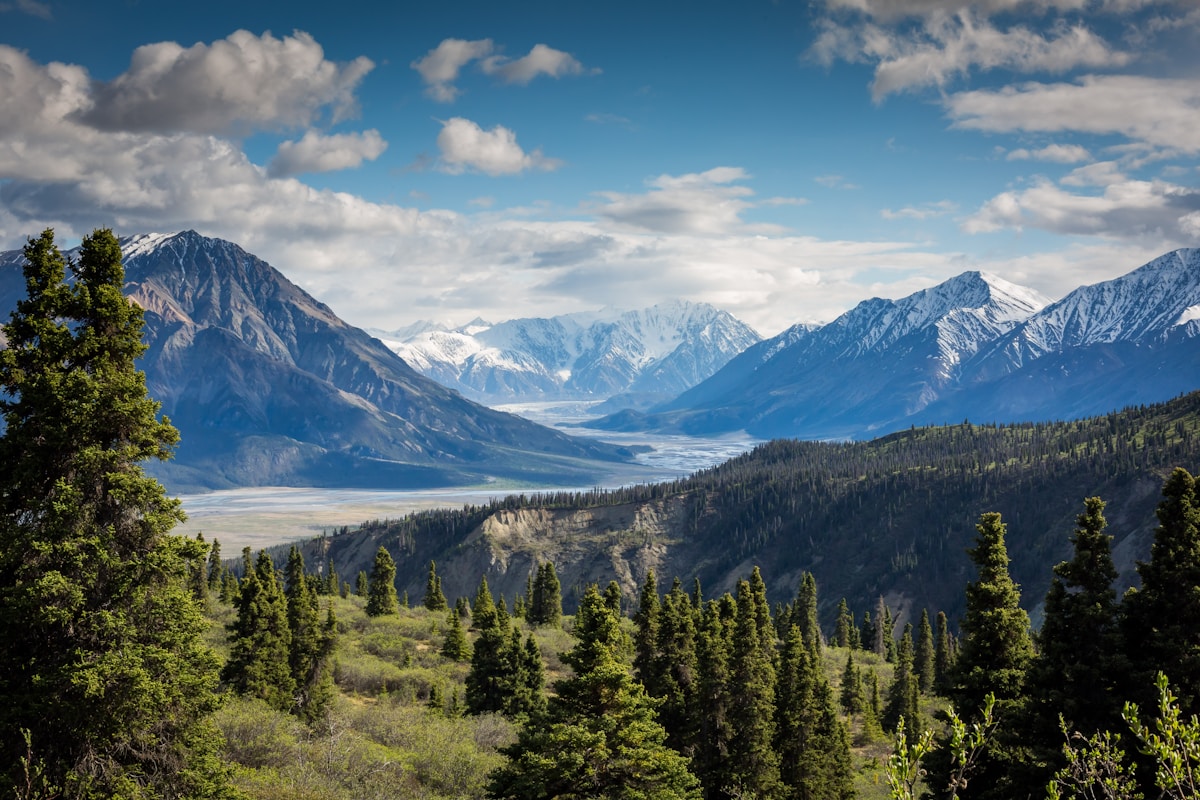
The Tian Shan range reaches elevations comparable to the Himalayas, with snow-capped peaks, glaciers, and alpine lakes. Unlike Nepal's heavily trafficked trails or Patagonia's expensive infrastructure, Kyrgyzstan trekking remains affordable and uncrowded.
Costs for multi-day treks, including guides and permits (where required), run significantly below Nepal or Patagonia equivalents. Travelers report total trek costs of $200-400 for week-long expeditions, compared to $1,000+ for similar experiences in more established destinations.
The Nomadic Culture Element
Kyrgyzstan maintains nomadic traditions that appeal to travelers seeking cultural immersion. Summer months see families moving to high pastures with livestock, living in yurts (traditional felt tents). Trekkers can arrange homestays or yurt stays, combining mountain adventure with cultural exchange.
This stands in contrast to Nepal, where tourism has significantly altered mountain communities, or Patagonia, which never had indigenous mountain cultures at the same scale.
Practical Considerations
Trekking in Kyrgyzstan requires more self-sufficiency than established routes in Nepal or Peru. Infrastructure is minimal: no teahouses, limited marked trails, and few emergency services in remote areas.
This appeals to experienced trekkers comfortable with navigation, camping, and self-rescue, but deters casual hikers seeking guided luxury experiences. The country works best for those with wilderness backpacking experience or those hiring local guides.
Weather and seasonality matter significantly. The best trekking window runs June through September, with July and August offering the most stable conditions. Spring and autumn bring unpredictable weather and snow at higher elevations.
Accessibility from Major Routes
Kyrgyzstan fits well into broader Central Asia travel circuits. Bishkek has flight connections to Istanbul, Moscow, Dubai, and several Central Asian cities. Overland travelers can enter from Kazakhstan, Uzbekistan, Tajikistan, or China (when borders are open).
The country pairs particularly well with Uzbekistan's Silk Road cities or Kazakhstan's Almaty, creating itineraries that combine mountain adventure with historical and cultural sites.
Is Kyrgyzstan's Moment Coming?
Adventure travel media has increasingly featured Kyrgyzstan over recent years, suggesting rising awareness. But the country hasn't yet reached the tipping point where everyone's cousin has been there.
For travelers genuinely seeking undiscovered destinations (rather than just Instagram-friendly "hidden gems"), Kyrgyzstan delivers. The window before it becomes mainstream may be limited — but for now, the Tian Shan mountains remain remarkably empty.