
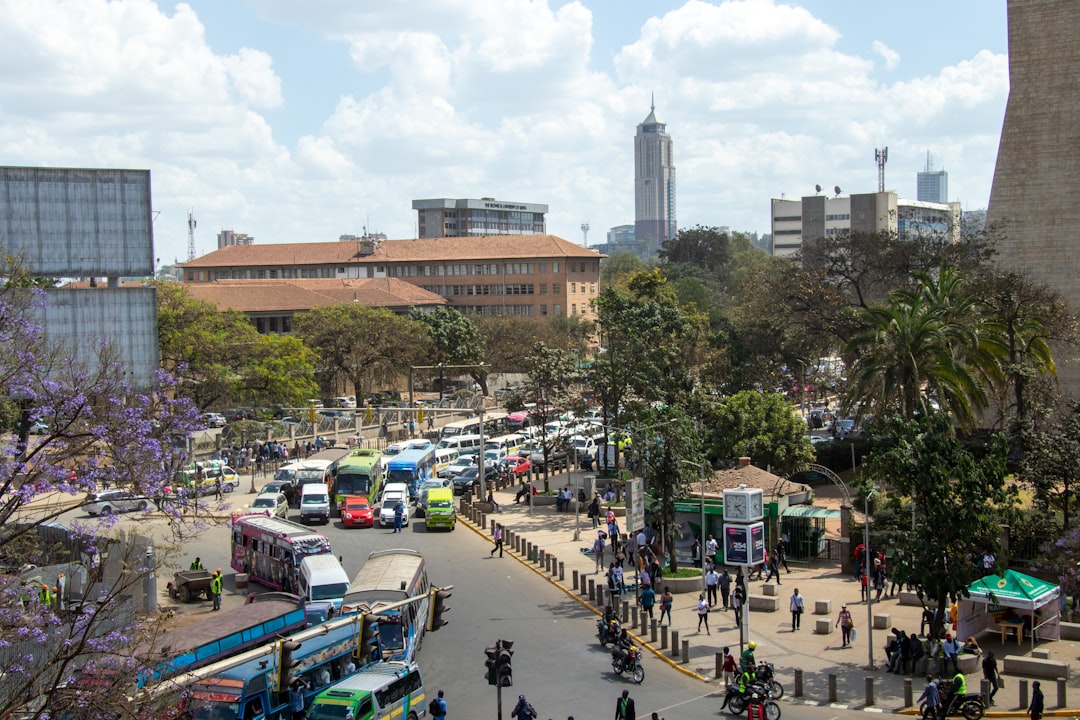
Kenyan activists are calling for a nationwide transport shutdown on Monday, deploying a new form of resistance after previous street protests met violent crackdowns from security forces.
The strategy represents an evolution in protest tactics across East Africa. Rather than gathering in streets where hired provocateurs can infiltrate demonstrations or police can deploy tear gas, organizers are asking citizens to simply stay home and refuse to participate in an economy built on unaffordable fuel prices.
"Protests get you shot. Shutdowns cost them money," reads one widely-shared social media post circulating in Nairobi. "We're not asking permission anymore. We're just not showing up."
The call comes as fuel prices remain elevated following global market volatility, with Kenyan motorists paying among the highest rates in the region. Transport costs ripple through the entire economy, raising prices for food, school fees, and basic goods in a country where most people live on tight margins.
What makes this mobilization distinct is its decentralized nature. There are no leaders to arrest, no permits to deny, no crowds to disperse. Citizens are simply choosing to walk to work, stay home, or find alternative arrangements rather than feed money into a transport system they view as exploitative.
"This is more sustainable than street action," says Dr. Wanjiru Kamau, a political scientist at Strathmore University. "After the violent response to last year's demonstrations, people needed a way to register dissent without risking their lives."
The approach borrows from successful economic resistance campaigns in other African contexts. South African taxi strikes have historically wielded significant political power. Nigerian #EndSARS protesters used strategic economic disruption alongside street action. What's happening in Kenya combines those lessons with local innovation.
For matatu drivers, boda boda operators, and other transport workers, the shutdown presents a dilemma. Many support the cause but depend on daily earnings to survive. Organizers encourage those who must work to participate symbolically by carrying protest signs or wearing colors associated with the movement.