
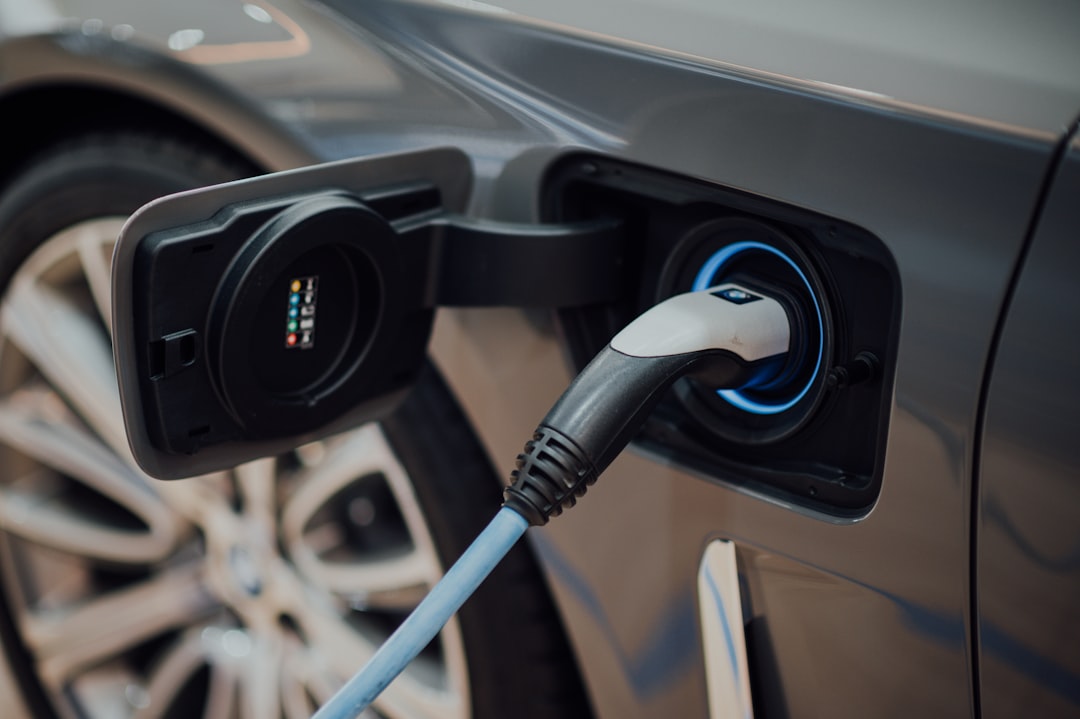
Kenya's government has introduced a 16% VAT on electric vehicles, threatening to derail the East African nation's promising shift toward clean transportation at a critical moment for the continent's climate response.
The new tax, unveiled in the latest finance bill, marks a sharp reversal from the incentives that had positioned Kenya as a regional leader in electric mobility. Until now, favorable import duties and tax exemptions made EVs increasingly accessible to middle-class Kenyans, spurring investment in charging infrastructure and local conversion businesses.
"We were finally seeing real momentum," says Grace Wanjiru, founder of Nairobi-based EV charging network PowerHub. "Now the government wants its cut just when adoption was reaching a tipping point."
The timing is particularly frustrating for entrepreneurs who built businesses around the government's green transport vision. Local mechanics had begun converting used vehicles to electric power, charging station operators secured financing for expansion, and second-hand Nissan Leafs were becoming a common sight in Nairobi's traffic.
Kenya's approach contrasts sharply with regional competitors. Rwanda maintains generous EV incentives as part of its climate strategy, while South Africa offers tax rebates for electric vehicle purchases. Both countries view EVs as essential to meeting Paris Agreement commitments while reducing dependence on imported petroleum.
The policy shift reflects broader tensions in African climate policy. Governments face pressure to generate revenue while simultaneously investing in expensive green transitions. Unlike wealthy nations that subsidized their industrial revolutions with cheap fossil fuels, African countries are asked to decarbonize while still developing basic infrastructure.
"This is the contradiction we live with," notes Dr. James Mwangi, energy economist at the University of Nairobi.