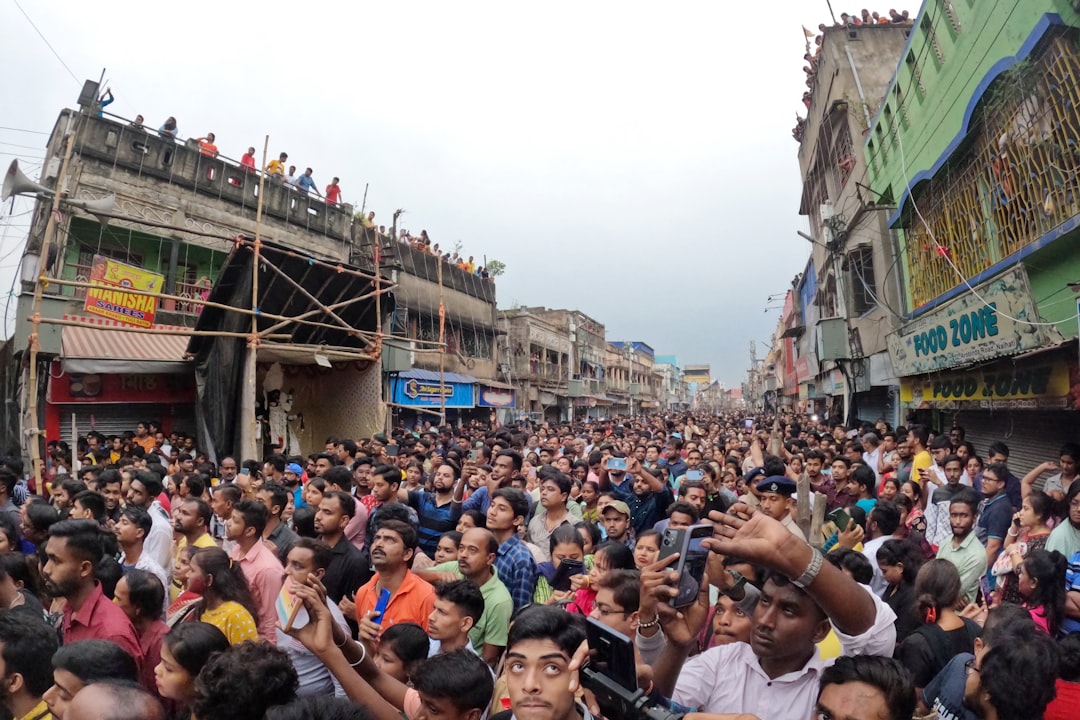
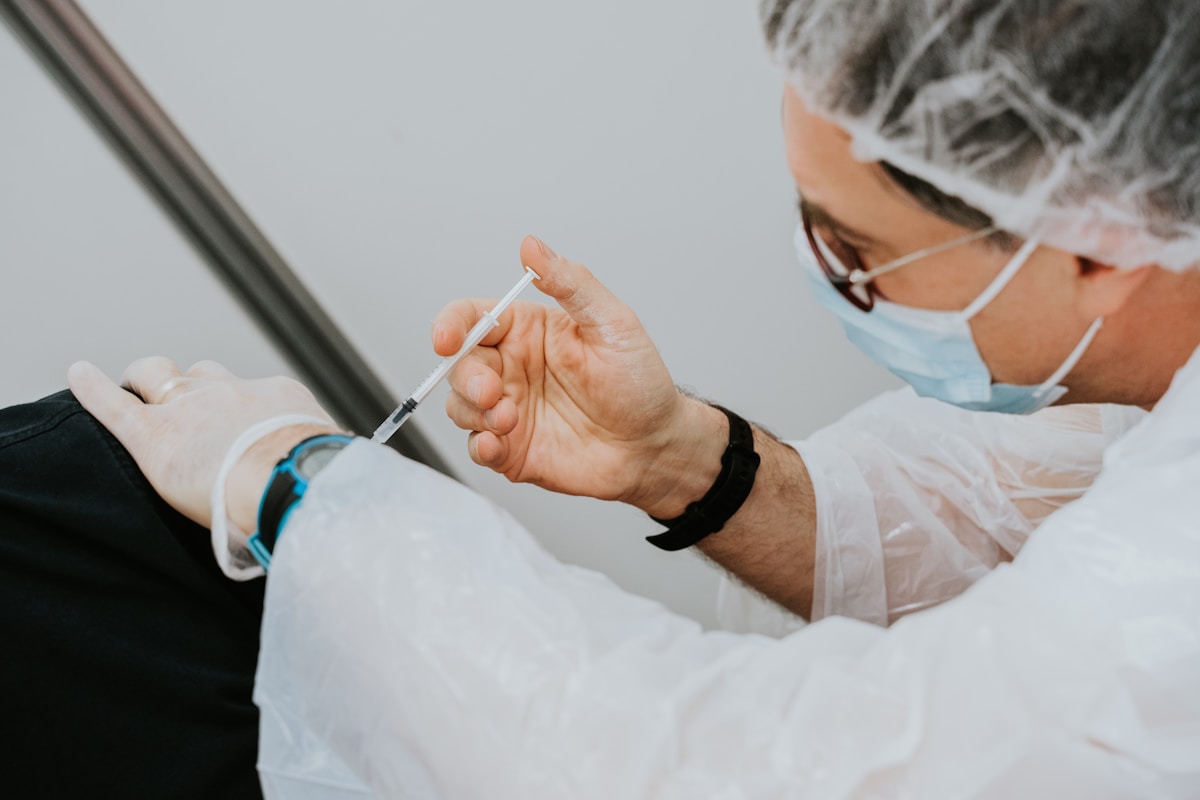
Paramilitary-style police intimidation at Nairobi Hospital has reignited fears that Kenya's current administration is reviving the aggressive state capture tactics of the Daniel arap Moi era, with law enforcement allegedly deployed as private debt collectors to pressure a prominent hospital owner.
The incident involving hospital owner Samson Kinyanjui has shocked Kenya's medical community and prompted fierce criticism from opposition figures and civil society groups who see it as emblematic of what they call the "Yamune cartel" approach to accumulating wealth and power.
"This is a carbon copy of the Moi era theft, only this time it's being run by a cartel that thinks they're untouchable," wrote one Kenyan analyst in a widely circulated post. "The mask hasn't just slipped, it's been incinerated."
According to multiple reports, police officers and officials from the Head of Public Service were deployed to Nairobi Hospital in what witnesses described as an intimidation campaign designed to force a change in hospital ownership. The incident has drawn comparisons to the systematic asset-stripping that characterized Kenya's authoritarian past.
Dr. James Ochieng, chair of the Kenya Medical Practitioners Union, expressed alarm at the precedent. "When the police force becomes a private debt collection agency for politically connected individuals, we have crossed a dangerous line," he said. "Healthcare facilities should be sanctuaries, not targets for state-sponsored intimidation."
The allegations emerge as President William Ruto's administration faces mounting criticism over healthcare policy, particularly the troubled rollout of the Social Health Authority (SHA) and Social Health Insurance Fund (SHIF) systems that replaced the National Hospital Insurance Fund. Hospitals across Kenya have reported going months without government reimbursements, forcing some to turn patients away or demand out-of-pocket payments for supposedly covered services.