
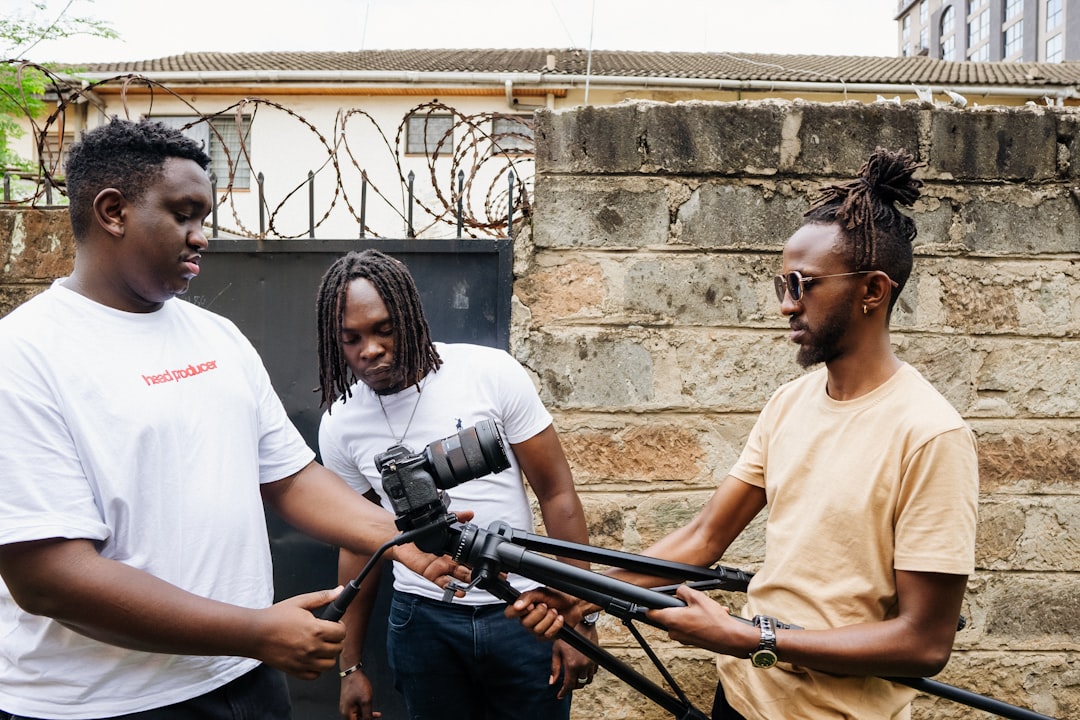
The Kenyan government has launched a 40 million shilling ($310,000) campaign recruiting content creators to promote government messaging, sparking debate about digital-age propaganda and the blurred lines between legitimate communication and narrative control.
The initiative, announced through official channels, invites creators nationwide to compete for funding by producing content supporting government policies and initiatives. Winners will be selected based on creativity, reach, and engagement - metrics that have some digital rights advocates concerned.
"This is not unique to Kenya," says Dr. Nanjala Nyabola, a Nairobi-based political analyst and author. "We're seeing governments across Africa - Nigeria, Ethiopia, South Africa - recognize that social media shapes political narratives more effectively than traditional media ever did."
The program has divided Kenya's vibrant creator community. For some, it represents legitimate income in a challenging economic environment where monetizing content remains difficult. For others, it raises fundamental questions about editorial independence and the slow creep of state-sponsored messaging into organic digital spaces.
One Kenyan creator, posting on the r/Kenya subreddit, captured the dilemma: "On one hand, 40 million divided among creators is real money. On the other hand, are we promoting something that's hurting Kenyans?"
The concern isn't hypothetical. Kenya has faced ongoing protests over tax policies, cost of living increases, and governance issues. Government critics worry the creator program will flood social media with pro-government content precisely when public scrutiny matters most.
"The problem is the gradual shift in what you believe," explains Brian Obilo, a digital rights researcher at Nairobi's iHub. "You start creating content for the money. Then you refine it to win. Eventually, you're not sure where the performance ends and genuine belief begins."
The initiative reflects a global trend. From Russia's troll farms to China's "50 Cent Army" to Western governments' influencer partnerships, states worldwide have recognized social media's persuasive power. African governments are simply catching up with tools others have used for years.
What makes the Kenyan case notable is its transparency. Unlike covert influence operations, this is an open competition with public criteria. The government argues this represents legitimate communication strategy, not propaganda.
"Every government communicates its policies," says Dr. Bitange Ndemo, former Permanent Secretary in Kenya's Ministry of Information and Communication. "The question is whether we want that communication professionalized or left to chance. Engaging creators is no different than hiring PR firms - except it reaches more people."
But critics note crucial differences. Traditional PR is clearly labeled. Government advertising is identifiable. Creator content, by design, appears organic and peer-generated - making it more persuasive and harder to evaluate critically.
The 40 million shilling fund also highlights resource disparities. While that sum is modest by government budget standards, it's transformative money for individual creators - creating financial dependence that could influence future content even after the campaign ends.
Nigeria ran similar programs during recent elections. Ethiopia's government has recruited digital advocates during the Tigray conflict. South Africa's ANC has partnered with influencers for campaign messaging. The trend is continent-wide.
"We need to have an honest conversation about government communication in the digital age," argues Nyabola. "The problem isn't that governments want to communicate. It's when that communication becomes indistinguishable from independent voices, and when financial incentives create echo chambers rather than debate."
Some creators have publicly declined to participate, citing editorial independence. Others have embraced the opportunity, arguing that amplifying government achievements is legitimate work. Most remain undecided, weighing financial need against professional integrity.
The program's ultimate impact will depend on implementation. Will creators be required to disclose government funding? Will they maintain editorial control? Will criticism be permitted alongside promotion? These questions remain unanswered.
What's clear is that Africa's digital landscape is evolving faster than regulatory frameworks can address. As millions of young Africans become content creators, governments are recognizing both the opportunity and the threat these voices represent.
54 countries, 2,000 languages, 1.4 billion people. And in Kenya, a 40 million shilling question: when does government communication become propaganda, and who decides?