
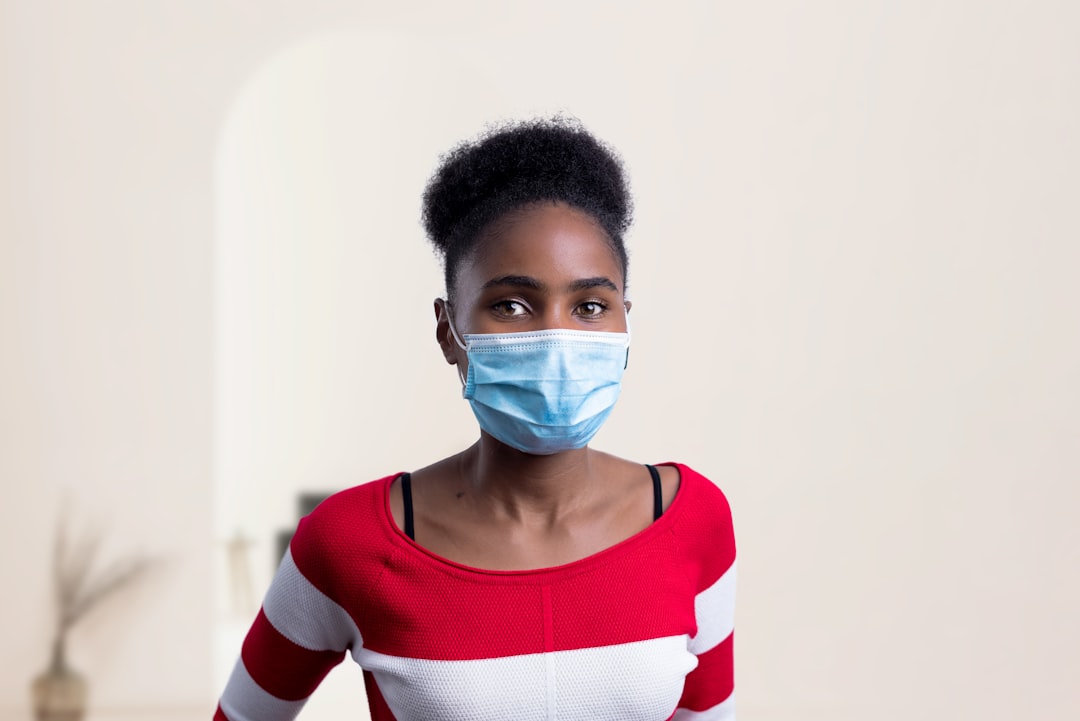
Kenya has become the first country in the world to roll out a six-month injectable HIV prevention treatment, marking a significant advance in the fight against new infections and demonstrating African leadership in global health innovation.
The drug, lenacapavir, was approved by the U.S. Food and Drug Administration and endorsed by the World Health Organization in 2025. It works by blocking key stages of the HIV virus lifecycle, offering protection for six months with a single injection—a dramatic improvement over daily pills that require consistent adherence.
Kenya has received 21,000 starter doses funded by the Global Fund, with rollout beginning in 15 counties in March. The country's HIV prevalence stands at about 3.7 percent, with 1.34 million people currently on treatment.
What makes the rollout particularly urgent is the demographics of new infections: 41 percent affect young people under 24. For this population, daily pill regimens have proven challenging. The six-month injection could dramatically improve uptake and adherence.
"We didn't wait for pharmaceutical companies to dictate our timeline," said Dr. Mary Mwangemi, head of Kenya's National AIDS Control Council. "We saw the evidence, mobilized funding, and moved. This is what African health leadership looks like."
The Global Fund partnership represents a model that other African nations are watching closely. Rather than waiting for Western markets to establish pricing and distribution, Kenya negotiated early access and support for infrastructure to deliver the treatment.
The rollout strategy prioritizes high-burden counties and populations at greatest risk, including young women and adolescent girls. Health facilities will integrate the injectable treatment into existing HIV prevention services, including testing and counseling.
Challenges remain. Cold chain logistics for storing the injectable medication, training healthcare workers on administration, and ensuring consistent supply will test Kenya's health system. But the Ministry of Health has demonstrated capacity in previous rollouts, including COVID-19 vaccines and routine immunizations.
"Six-month protection changes the equation entirely," said Dr. Vincent Ochieng, an HIV specialist at Kenyatta National Hospital in Nairobi. "For young people navigating school, work, relationships, removing the daily reminder and burden of prevention creates real behavioral change."
The timing matters. While global attention on HIV has waned since the peak of the AIDS crisis, new infections persist, particularly in sub-Saharan Africa. Kenya has made significant progress—prevalence has declined from over 10 percent in the 1990s—but reaching zero new infections requires innovation.
Other African countries are already inquiring about Kenya's procurement and rollout strategy. South Africa, Uganda, and Nigeria have expressed interest in similar programs. The Global Fund has indicated additional doses could be made available as demand grows.
For Kenya, the rollout represents more than just a new medical tool. It's a statement of agency in global health. African countries have too often been the last to receive innovations developed for their populations. This time, Kenya is first.
54 countries, 2,000 languages, 1.4 billion people. This is one country refusing to wait.