
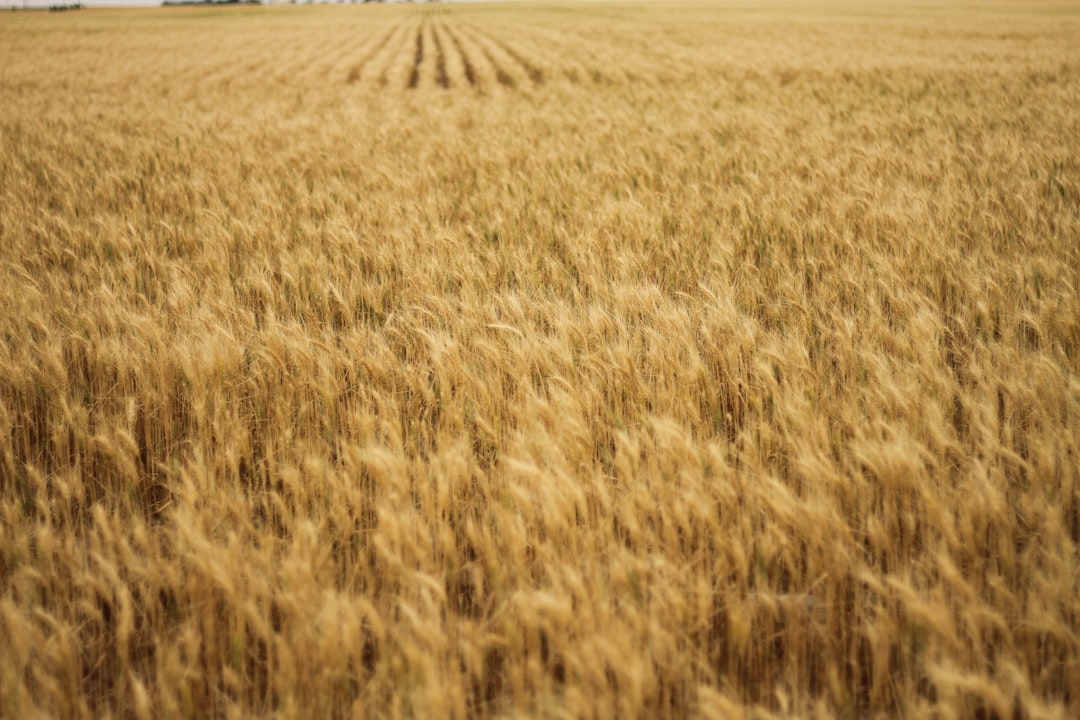
Kansas wheat farmers are confronting their worst harvest in more than 50 years as extreme weather, rising costs, and uncertain trade policy converge to threaten America's breadbasket.
The 2026 wheat crop in Kansas—the nation's largest wheat-producing state—is projected to fall to levels not seen since 1972, according to U.S. Department of Agriculture forecasts. The shortfall represents more than a statistical anomaly. It threatens livelihoods across the Great Plains and could push bread prices higher for American consumers already struggling with inflation.
"We've farmed this land for four generations," one Kansas wheat farmer told the Associated Press. "I've never seen conditions this challenging—not the weather, not the costs, not all of it hitting at once."
The crisis stems from multiple factors, each compounding the others. Extreme weather patterns have battered the Plains over the past year. A severe drought during critical growing months stunted crop development. Then late spring freezes damaged plants just as they began to mature. Finally, inconsistent rainfall—too much in some areas, too little in others—prevented the steady moisture wheat needs for optimal yields.
Climate scientists have warned for years that the Great Plains would experience more extreme weather variability as global temperatures rise. The 2026 growing season appears to validate those predictions, with temperature swings and precipitation patterns that confound traditional farming wisdom accumulated over generations.
But weather alone doesn't explain the severity of the crisis facing Kansas farmers. Input costs have soared over the past several years. Fertilizer prices, driven by global energy markets and supply chain disruptions, remain well above historical averages. Diesel fuel for tractors and combines has fluctuated wildly, making it difficult for farmers to plan budgets. Equipment costs have risen sharply as manufacturers pass along their own increased expenses.
For many wheat farmers, these rising costs have eliminated profit margins. Some are farming at a loss, hoping conditions improve before they're forced to sell land their families have worked for decades. Others have already made that painful decision, contributing to consolidation that sees corporate agricultural operations acquiring small family farms across the heartland.