
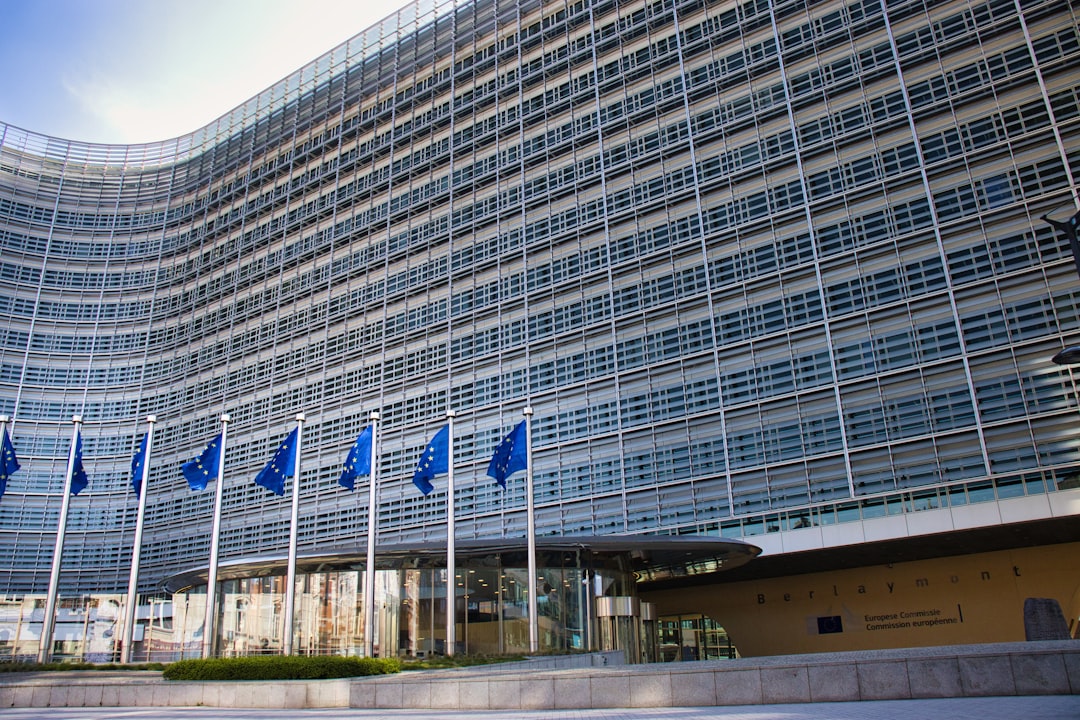
The European Union's new foreign policy chief Kaja Kallas is leveraging her position to accelerate the bloc's enlargement process, bringing Baltic strategic thinking—forged on NATO's eastern flank—to the heart of Brussels decision-making.
The former Estonian prime minister, who assumed the EU's top diplomatic role in December 2024, has emerged as one of the most vocal advocates for expediting membership negotiations with candidate countries including Ukraine, Moldova, and the Western Balkans. "We should pick up the pace," Kallas told EU officials in recent meetings, according to Politico Europe.
In the Baltics, as on NATO's eastern flank, geography and history create an acute awareness of security realities. For Kallas and other leaders from the region, EU enlargement is not merely an economic or political project—it is a strategic imperative that directly strengthens Europe's defensive posture against Russia.
The Baltic perspective on enlargement is shaped by lived experience. Estonia, Latvia, and Lithuania gained independence from Soviet occupation only in 1991, joining both NATO and the EU in 2004. That swift integration provided security guarantees and economic prosperity that transformed the region. Now, as Russia's war in Ukraine enters its third year, Baltic leaders argue that extending similar benefits to vulnerable neighbors is both a moral obligation and a security necessity.
"When we talk about enlargement, we're talking about stability and security," has repeatedly emphasized. This view reflects a fundamental Baltic conviction: that is one less potential target for Russian aggression or coercion.