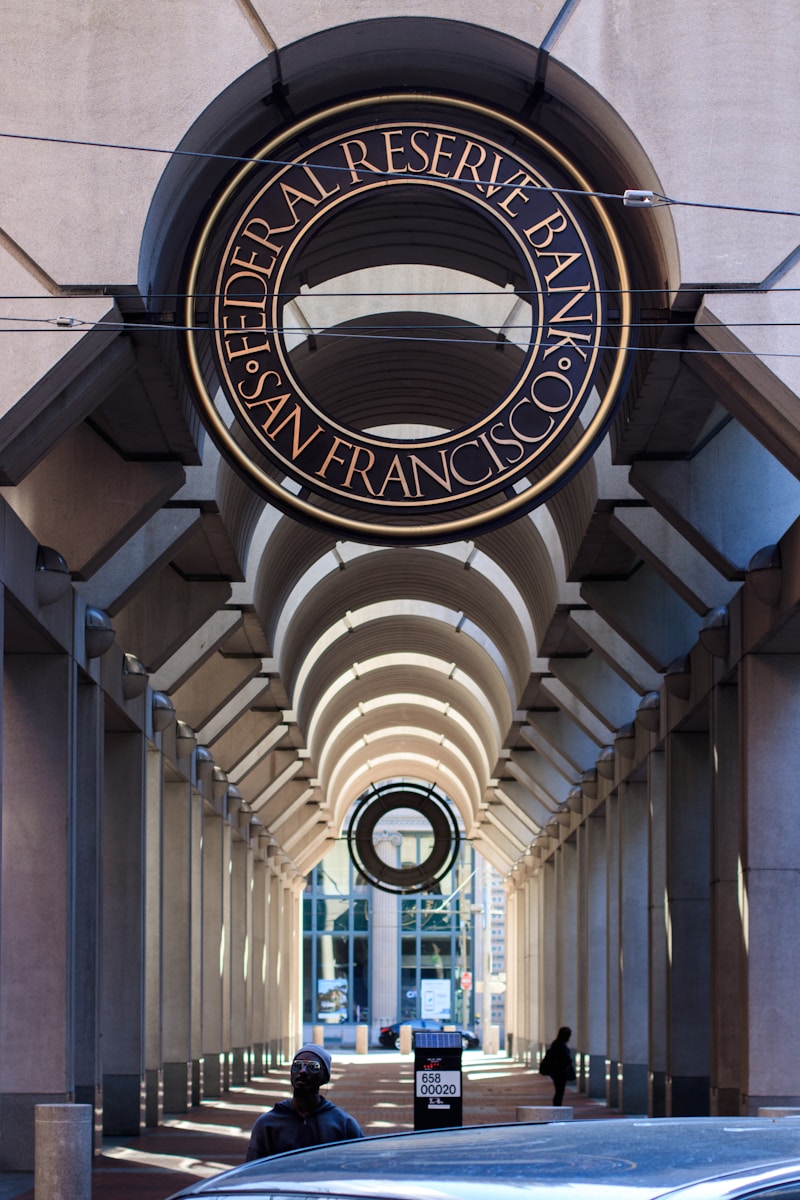
Jerome Powell is expected to step down as Federal Reserve Chair at the end of May, and if you think that's just a personnel change, you're missing the bigger picture. This is about whether the Fed stays independent or becomes a tool of the White House.
For the past few months, President Trump has been pushing hard for interest rate cuts. Powell has resisted, largely because the job market is still holding up and inflation is still above the Fed's 2% target. But once Powell is gone, Trump gets to appoint his replacement. And it's a safe bet that replacement will be more willing to play ball.
So what does that mean for your money? Let's break it down.
Rate cuts are coming. A Trump-appointed Fed chair is almost certain to be more dovish. Lower rates make borrowing cheaper, which can goose corporate earnings and push the S&P 500 higher in the short term. If you're holding U.S. equities, that's the good news.
But here's the bad news: rate cuts also tend to weaken the dollar and stoke inflation. If you're a European investor holding U.S. stocks, currency moves can eat your returns alive. Over the last year, the S&P 500 is up about 17% in USD but only 4% in EUR. That 13-point gap? That's the dollar getting weaker. And if rate cuts accelerate that trend, your gains in dollar terms won't translate to gains in euros.
This is why some investors are switching from euro-denominated S&P 500 index funds to currency-hedged versions. A hedged fund removes the currency risk, so you capture the equity returns without getting hammered by dollar weakness. It's not free, hedging costs money, but if you believe the dollar is headed lower, it might be worth it.
For U.S. investors, the calculus is different. Lower rates can juice the market, but they also mean your savings account yields will drop. Those 5% high-yield savings rates? They won't last if the Fed starts cutting aggressively. And if inflation picks back up because the Fed is cutting too fast, you're losing purchasing power even if your portfolio is growing in nominal terms.
There's also the bigger question: what happens to Fed credibility? If the market believes the Fed is being run from the White House, that undermines the entire framework of monetary policy. Central bank independence exists for a reason. When central banks start taking orders from politicians, bad things happen. See: Turkey, Argentina, and a long list of countries where politicized central banks destroyed their currencies.