
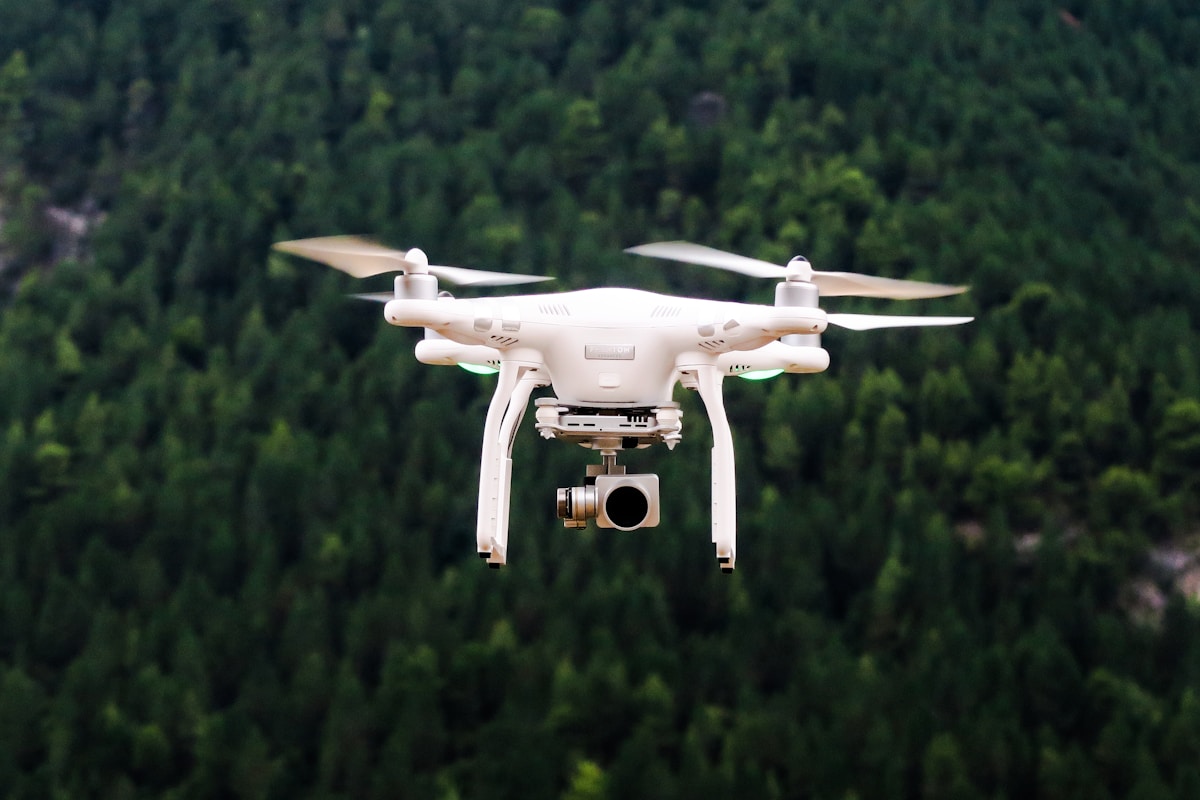
Japan has begun deploying ultra-cheap cardboard drones designed for swarm warfare and expendable combat missions, according to Tom's Hardware, marking a significant shift in how the nation approaches defense amid rising tensions with China and North Korea.
The AirKamuy 150 drones, priced at approximately $2,000 each, cost less than many gaming computers yet provide capabilities sufficient for reconnaissance, target designation, and even direct attack missions. The cardboard construction—reinforced with composite materials—makes the drones radar-resistant, lightweight, and genuinely expendable in ways that conventional military aircraft cannot be.
To understand today's headlines, we must look at yesterday's decisions. Japan's post-World War II constitution has limited its military to self-defense, and for decades the country relied on technological superiority to offset numerical disadvantages against potential adversaries. However, China's massive military expansion and North Korea's missile programs have forced a rethinking of this approach.
Swarm warfare represents a democratization of aerial combat. Instead of relying on expensive fighters or missiles that cost millions per unit, swarm tactics use dozens or hundreds of cheap drones operating in coordination. Even if most are shot down, the sheer numbers overwhelm defenses and achieve mission objectives. Ukraine has demonstrated the effectiveness of this approach against Russia, where consumer and military drones have destroyed tanks, artillery, and supply lines at a fraction of traditional costs.
Japan's adoption of this technology reflects both budget realities and tactical innovation. The country faces pressure to increase defense spending to meet NATO's two percent of GDP target while managing massive public debt. Cardboard drones offer a way to rapidly expand capabilities without the decades-long procurement timelines of traditional systems like fighters or destroyers.