James Cameron doesn't write many public letters. When he does, it's worth reading. His latest missive to antitrust lawmakers about Netflix's potential acquisition of Warner Bros. Discovery is less a polite suggestion and more a declaration of war on behalf of theatrical cinema.
The director who's made over $6 billion at the global box office with films like Avatar, Titanic, and The Terminator called the deal "disastrous" for the future of moviegoing. Not "concerning." Not "worth examining." Disastrous.
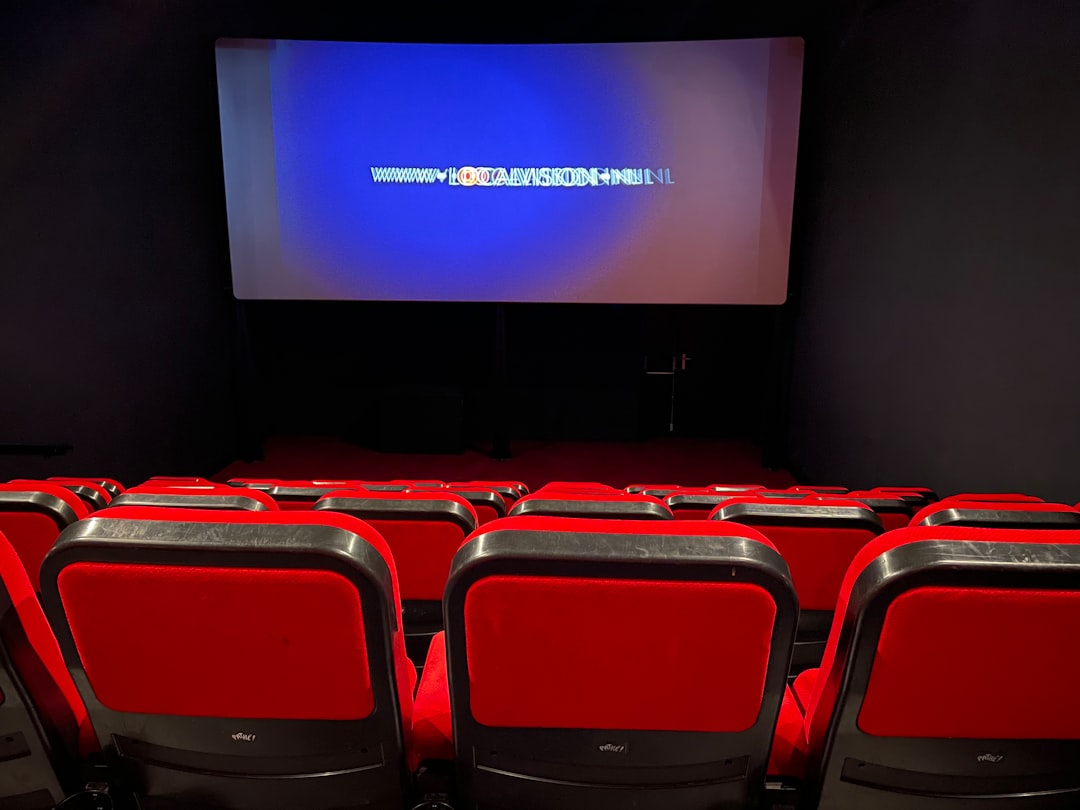
Here's what Cameron actually cares about: Warner Bros. is one of the last major studios genuinely committed to theatrical releases. They stumbled during the pandemic with their HBO Max day-and-date strategy, sure, but they course-corrected. They still make movies meant for the big screen—Dune: Part Two, Barbie, the upcoming Superman reboot.
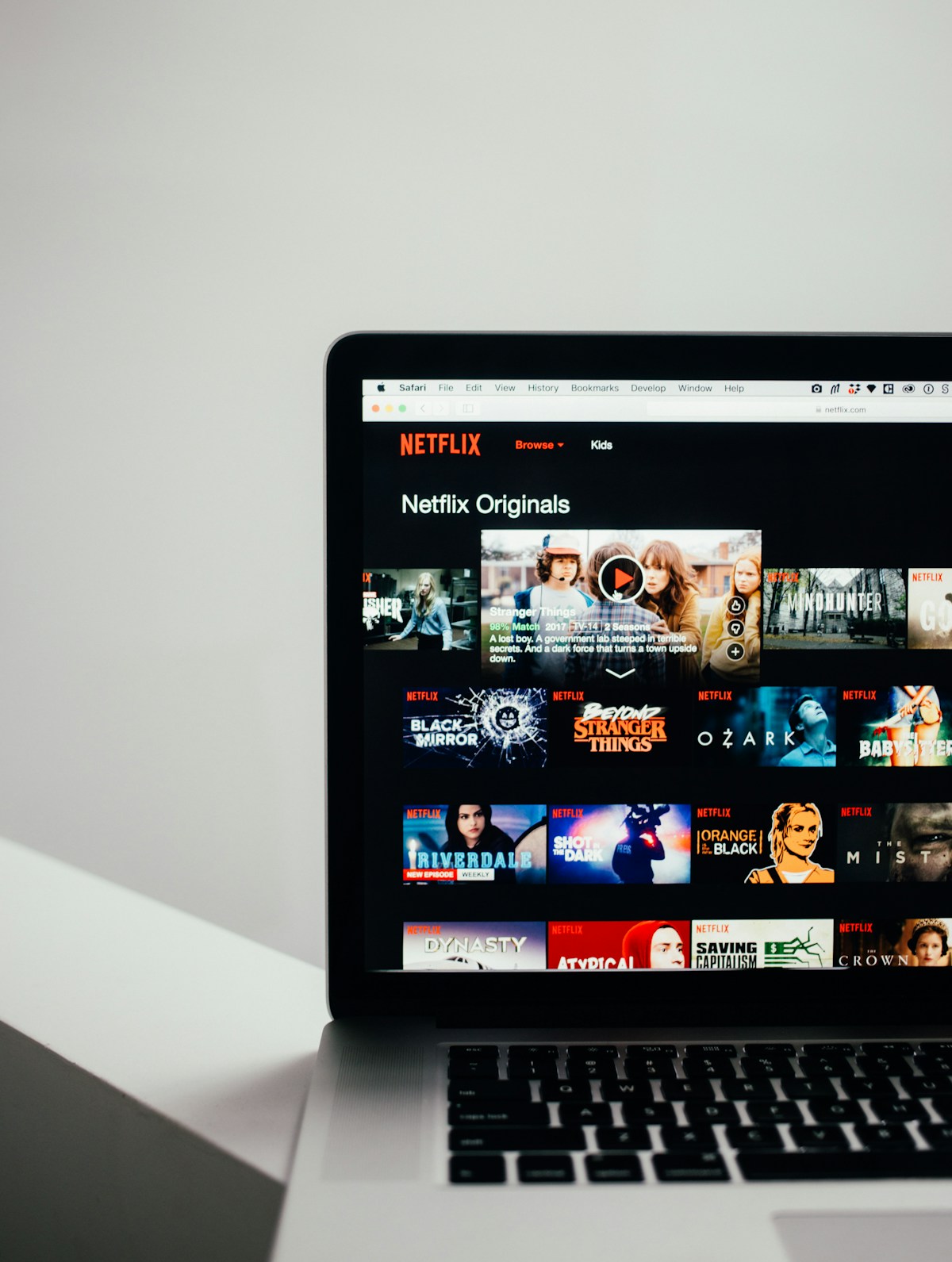
Netflix, for all its success, has a different religion. They worship data, not box office. They want content in the app, not on screens in Burbank multiplexes. And while they've made some theatrical plays—limited releases for awards contenders—it's never been their priority.
Cameron's fear isn't that Netflix will destroy Warner Bros. It's that they'll do something worse: turn it into a content factory optimized for streaming metrics instead of cultural impact. Imagine The Dark Knight as a Netflix original, dropping on a Tuesday between episodes of reality shows. That's the nightmare scenario.
There's also a Senate investigation brewing, with Democrats questioning potential connections in the - deal web. But 's letter isn't about politics. It's about whether movies—actual, theatrical, movies—still matter.