
Jakarta — The greater Jakarta metropolitan area is experiencing a mounting waste management crisis as regional landfills reach capacity and close, forcing millions of residents to revert to open burning and illegal river dumping after years of environmental progress.
The crisis began four months ago when Tangerang Regency and Jakarta Province stopped accepting waste shipments from neighboring municipalities, triggering cascading failures across the Jabodetabek region—home to more than 30 million people.
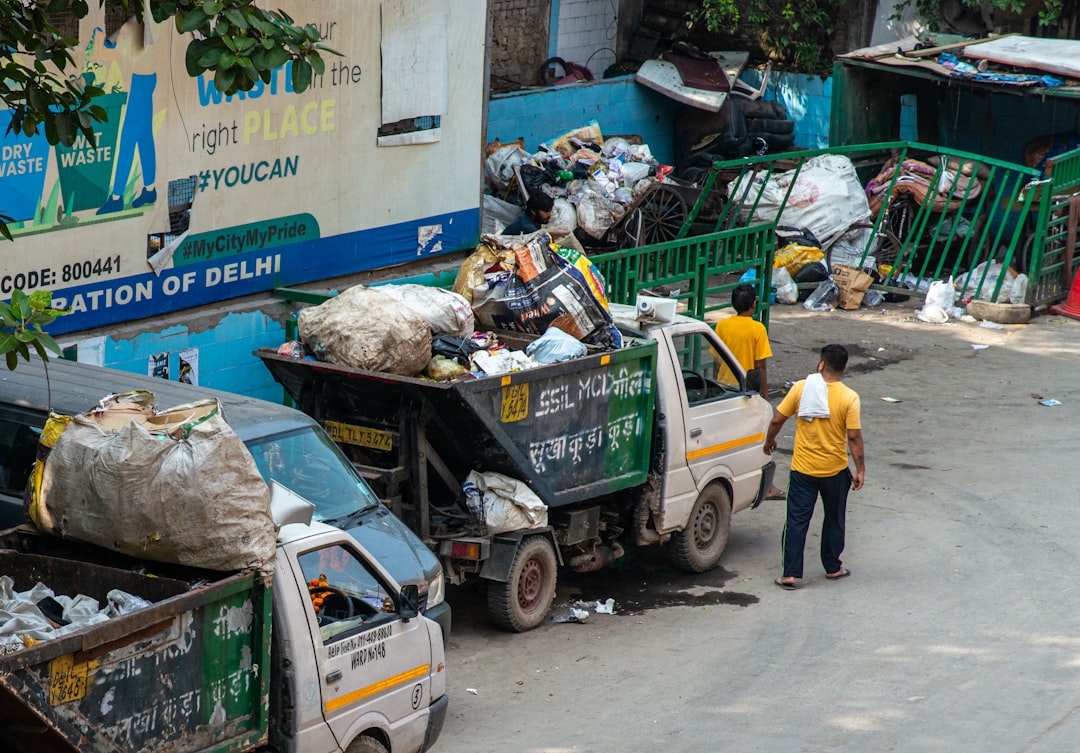
Streets in Ciputat, Bekasi, and surrounding areas now feature towering piles of uncollected garbage, while truck collection frequencies have plummeted. Neighborhoods that once received three weekly pickups now wait a week or more, with many waste collection points simply bypassed.
"TPS (temporary waste collection sites) that were cleaned up, sealed, or converted to parks are being reopened by desperate residents," according to local reports. "Even sites with signs warning 'dumping trash here means your parents will die' are overflowing."
The reversal marks a significant setback for environmental governance. Two dangerous practices that authorities had successfully reduced through coordinated collection efforts are resurging: open burning of household waste and dumping into rivers.
Residents along waterways report that riverbanks "relatively clean in recent years are again filled with white plastic bags half-floating." The smell of burning garbage—nabun in local parlance—now permeates neighborhoods from morning to night. Piles of wet ash appear daily on street corners.
The proximate cause is landfill closures driven by capacity limits and safety concerns. Multiple facilities have experienced deadly collapses and landslides in recent years. But the underlying issue is a policy-implementation gap: Indonesia's push toward incineration infrastructure has not kept pace with waste generation.