
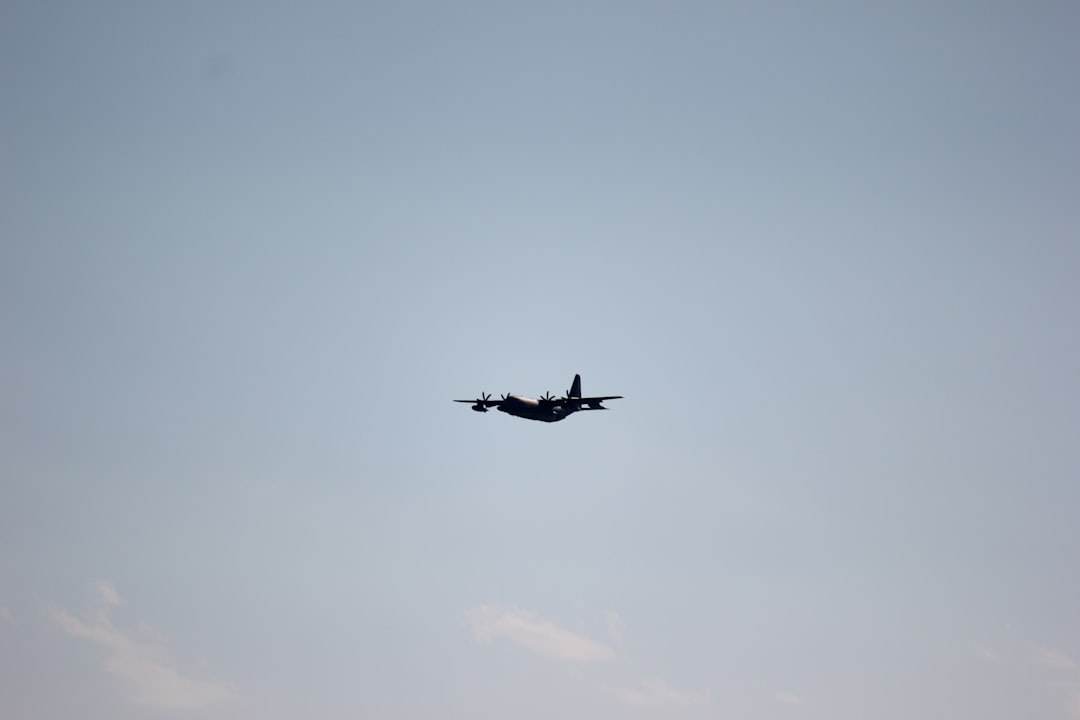
Israeli military aircraft conducted a psychological operations mission over central Beirut on Thursday, dropping thousands of flyers bearing what security analysts describe as a modern surveillance trap: QR codes designed to compromise civilian mobile devices.
The leaflet drop occurred in broad daylight over densely populated neighborhoods including Tallet El Khayat and Mar Elias, marking an unusual incursion into the heart of Lebanon's capital rather than the southern suburbs typically associated with Hezbollah presence. Residents reported hearing low-flying aircraft before papers began falling from the sky across multiple districts.
The flyers themselves represent an evolution in psychological warfare tactics, combining traditional leaflet propaganda with digital surveillance capabilities. Lebanese security experts immediately warned residents against scanning the QR codes, noting they likely contain malware designed to exploit mobile device vulnerabilities and grant Israeli intelligence access to phones' data, cameras, and microphones.
"Do not scan the QR codes under any circumstances," Lebanese technology specialists posted across social media platforms. "They will most likely hack into your phones to use for their intelligence missions." The warnings spread rapidly through Lebanese communities, with residents advised to burn any flyers they encountered rather than risk curiosity leading to device compromise.
The integration of QR codes into military psychological operations reflects the digitization of modern warfare. Traditional leaflet campaigns during conflicts from Vietnam to Iraq relied on text and images to demoralize enemies or encourage defection. Today's operations exploit smartphone ubiquity to turn civilians' own devices into intelligence collection tools.
Israeli military psychological operations—known by the Hebrew acronym LOTAR—have historically combined information campaigns with surveillance objectives. The 2006 war saw extensive leaflet drops warning Lebanese civilians to evacuate areas before strikes. The 2023-2024 escalation has added digital layers, attempting to penetrate Lebanese society through the devices that citizens carry constantly.
The choice to target central Beirut carries particular significance. These neighborhoods house government offices, international embassies, commercial centers, and diverse residential communities—far from 's primary strongholds in the southern suburbs. The operation appears designed to demonstrate Israeli military reach into any part of Lebanese territory while attempting to sow surveillance capabilities across the broader population.