

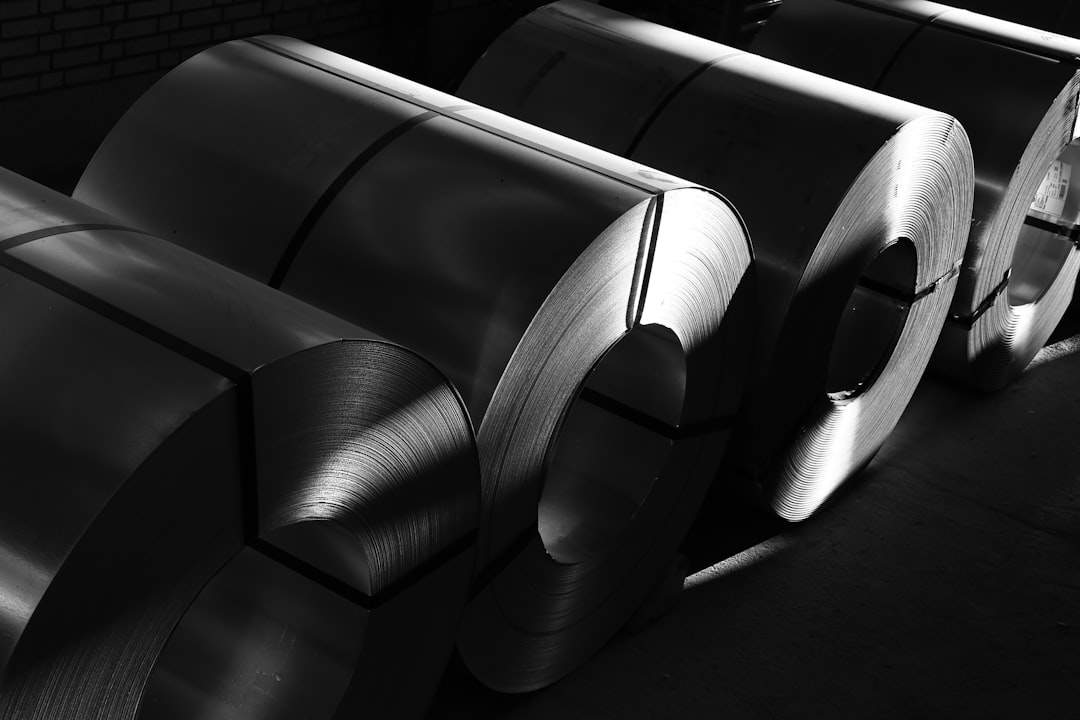
Israeli airstrikes targeted Iran's steel manufacturing facilities in what analysts describe as a significant escalation of economic warfare, moving beyond traditional military and nuclear sites to strike industrial infrastructure developed despite decades of international sanctions.
The strikes, confirmed through social media reports and regional media coverage, hit steel production facilities that represent tangible symbols of Iran's industrial self-sufficiency under pressure. Unlike previous Israeli operations focused on nuclear enrichment sites, weapons depots, or Islamic Revolutionary Guard Corps facilities, the steel industry targeting marks a deliberate expansion into civilian economic infrastructure.
For Tehran, the steel sector carries profound symbolic weight. Iranian leaders have long pointed to domestic steel production capacity as evidence that sanctions cannot prevent industrial development. The industry emerged and expanded precisely because international restrictions forced import substitution and domestic manufacturing capacity-building. Striking these facilities sends a message that extends beyond immediate military calculations.
In Iran, as across revolutionary states, the tension between ideological rigidity and pragmatic necessity shapes all policy—domestic and foreign. The steel industry exemplifies pragmatic adaptation—developing manufacturing capabilities through technology acquisition, reverse engineering, and domestic innovation to circumvent external pressure.
The targeting raises complex questions about the boundaries of legitimate military action versus attacks on civilian infrastructure. Steel production serves dual purposes in Iran's economy: supporting civilian construction and manufacturing while also providing materials for weapons production and military equipment. Israeli officials would likely argue that striking steel facilities degrades military-industrial capacity, but Iranian authorities can credibly characterize such attacks as economic terrorism against civilian infrastructure.
Iranian government responses emphasized this framing. Officials condemned the strikes as violations of international law targeting civilian economic facilities. State media highlighted the steel industry's role in employment, export revenue, and economic development, positioning the attacks as attempts to immiserate the Iranian population rather than address legitimate security concerns.


