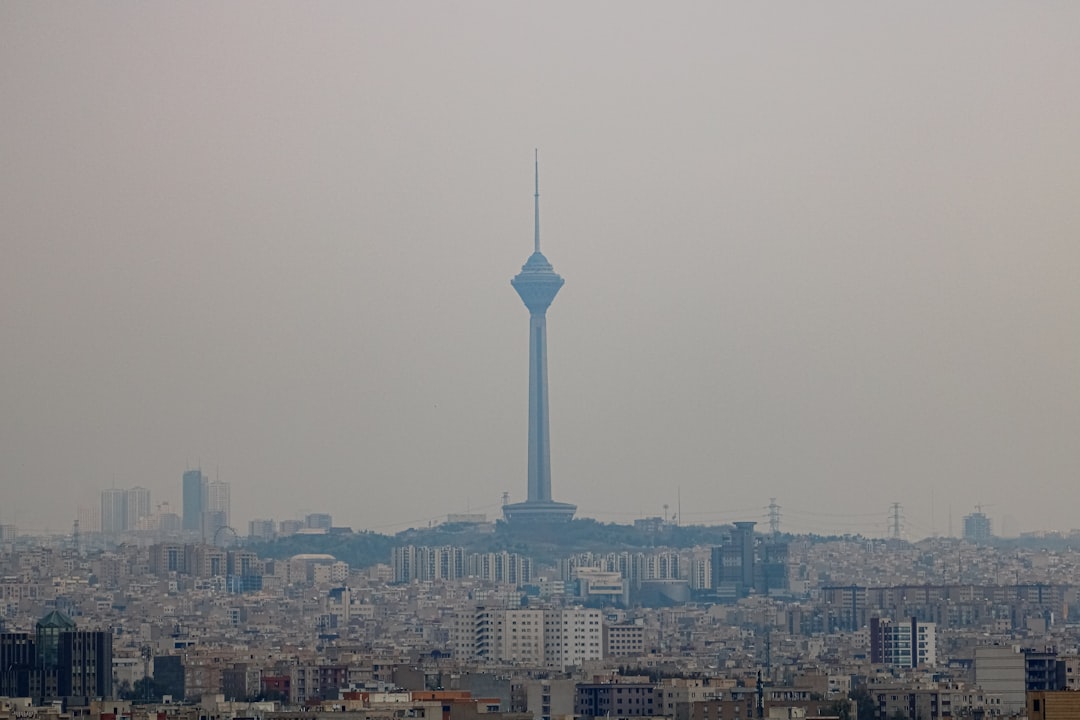
The Israeli Defense Forces confirmed Sunday evening that they are conducting military strikes directly on Tehran, marking one of the most aggressive Israeli operations against Iranian territory in recent years. The attacks, which also targeted energy sites in Isfahan and Khorramshahr, represent a significant escalation in the ongoing conflict between Israel and Iran.
According to the IDF statement, the strikes were carried out against "targets of strategic importance" in the Iranian capital, though specific details about the nature of those targets remained classified for operational security. Iranian state media reported explosions in several districts of Tehran but downplayed the damage, claiming air defenses successfully intercepted most incoming projectiles.
To understand today's headlines, we must look at yesterday's decisions. Israeli strikes on Iranian soil are not unprecedented—Jerusalem has conducted covert operations and airstrikes against Iranian nuclear facilities and weapons depots for years. But openly announcing strikes on the capital itself represents a qualitative shift in Israeli deterrence doctrine, signaling willingness to escalate rather than maintain the fiction of plausible deniability.
The decision to strike Tehran directly follows weeks of mounting tensions, including Iranian-backed attacks on Israeli targets and the broader regional conflagration involving Hezbollah, Hamas, and various Shia militia groups. Israeli officials have made clear they hold Tehran responsible for coordinating these attacks and believe direct strikes on the Iranian homeland are necessary to reestablish deterrence.
The energy sites struck in Isfahan and Khorramshahr are believed to include oil refineries and possibly facilities related to Iran's nuclear program, though the IDF declined to confirm specific targets. Isfahan hosts several nuclear research facilities, making it a perennial focus of Israeli intelligence operations.