An Israeli agency dedicated to settlement expansion has reportedly acquired approximately 200 square kilometers of agricultural land in southern Syria, according to Lebanese newspaper Al-Akhbar, marking what could be the most significant land acquisition in the region since Israel expanded its occupation of the Golan Heights in December.
The purchases, concentrated in the Yarmouk Basin bordering the Israeli-occupied Golan Heights, were reportedly conducted through individuals holding dual citizenship from Canada, Australia, and the United Kingdom, working with an organization identified as Bashan Pioneers. Turkish media outlet Harici reported that the sales have been recorded through official contracts, though the legal framework under which such transactions occurred remains unclear given Syria's ongoing political transition.
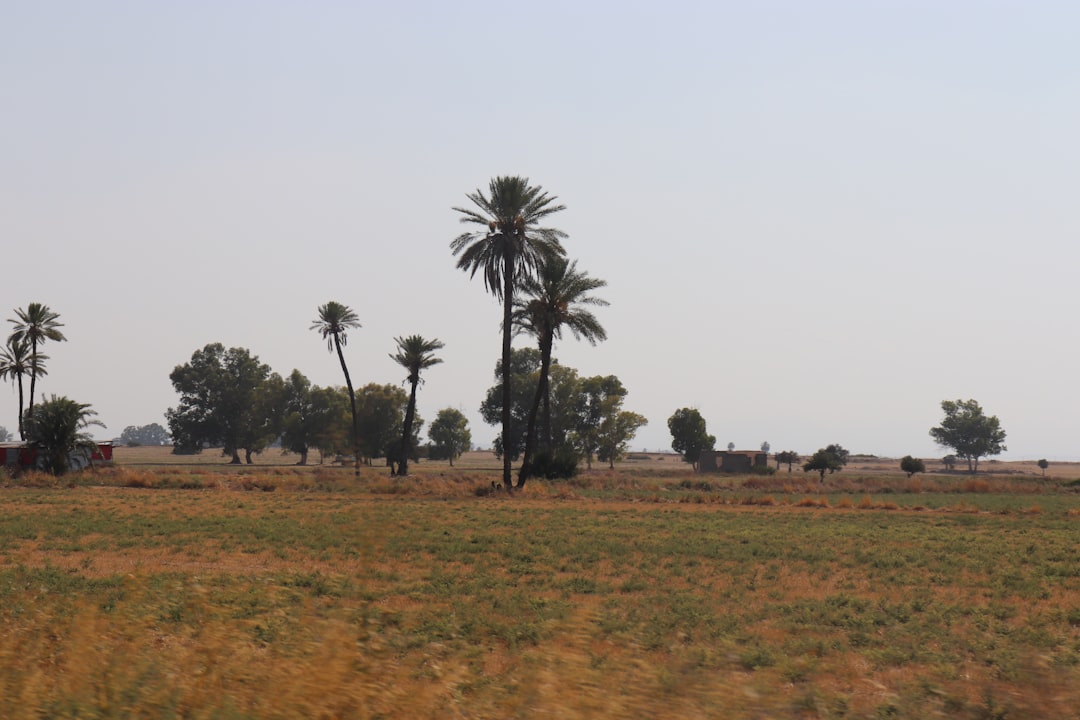
The scale is unprecedented. Two hundred square kilometers—roughly 200,000 dunams in the region's traditional land measurement—represents an area larger than many Israeli settlements combined. This didn't start yesterday: the Yarmouk Basin has been strategically valuable for decades, containing significant water resources that feed into the Jordan River system and some of the most fertile agricultural land in southwestern Syria.
According to Al-Akhbar's reporting, based on accounts from local sources in Deraa Governorate, the acquisitions were facilitated by what the newspaper described as "Jewish agencies" focused on settlement expansion. One Australian businessman reportedly purchased former Syrian military installations in the area, suggesting the land grab extends beyond agricultural parcels to strategic infrastructure.
The report has drawn no public response from Syria's interim government led by Ahmed al-Sharaa, which has been navigating a delicate relationship with Israel since taking power following Bashar al-Assad's fall. Israeli forces have maintained positions well beyond the 1974 disengagement line since December, conducting what Israel describes as temporary security operations but which regional observers increasingly view as permanent territorial expansion.
Israel's Finance Minister Bezalel Smotrich has publicly stated intentions to extend Israeli territory "as far as Damascus," with long-term ambitions he claims encompass "Palestinian territories, Jordan, Lebanon, Egypt, Syria, Iraq and Saudi Arabia." While such maximalist rhetoric is often dismissed as political posturing for domestic audiences, the reported land acquisitions suggest a methodical strategy operating beneath inflammatory public statements.
Local residents in the area have expressed unease, according to the reports, though the absence of effective Syrian governance in the border region has left few mechanisms for legal challenge or resistance. The Yarmouk Basin was one of the last areas held by opposition forces before being retaken by the Assad government in 2018, and its current administrative status remains ambiguous under the interim government.
The timing is significant. While international attention focuses on Gaza ceasefire negotiations and tensions with Iran, the reported Syrian land acquisitions represent a long-term territorial consolidation that extends far beyond temporary security zones. In this region, today's headline is yesterday's history repeating—the 1967 occupation of the Golan Heights began as a security measure and evolved into permanent annexation recognized only by the United States.
What distinguishes this reported acquisition from previous Israeli territorial expansion is the mechanism: not military occupation followed by settlement, but direct purchase through foreign nationals, creating facts on the ground through property law rather than martial law. If verified, it represents a hybrid model of territorial expansion that could prove more durable than military occupation and more difficult for future Syrian governments to reverse.
The international community has remained largely silent, preoccupied with more immediate crises. But for those watching the region's long-term trajectory, the reported 200 square kilometers may prove more consequential than the temporary security zones that dominate current headlines.