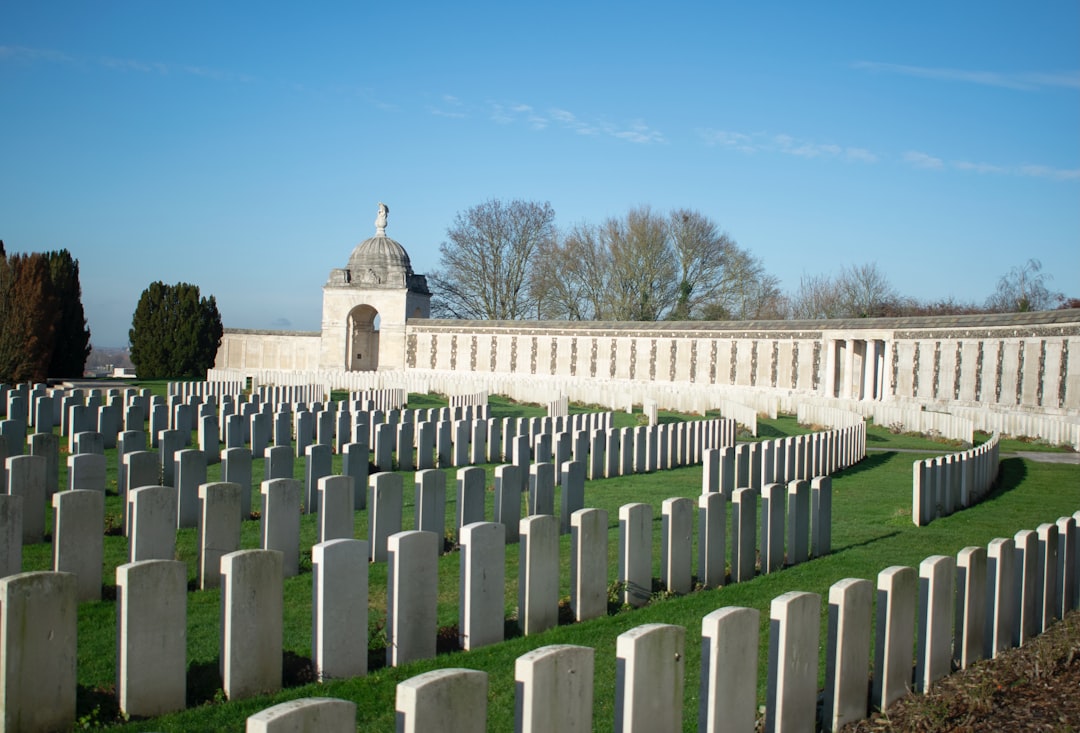
Israeli forces have bulldozed a Gaza war cemetery containing graves of Australian and New Zealand soldiers who died in World War I, according to satellite images analyzed by The Guardian.
The destruction at the Commonwealth War Graves Commission cemetery affects more than 20 graves of ANZAC soldiers who fought in the Palestine campaign during the First World War. The site has been protected under international law as a historic war cemetery.
This isn't the first time Israeli military operations have damaged the cemetery. In 2006, an Israeli missile struck British graves at the same site, prompting the Israeli government to pay the British government £90,000 in compensation.
The timing couldn't be worse for Canberra's diplomatic balancing act. Israeli President Isaac Herzog is scheduled to visit Australia within weeks, and the destruction of Australian war graves has intensified calls for the Albanese government to take a harder line on Israeli military operations in Gaza.
A UN human rights commissioner has already called for Australia to deny Herzog entry, according to ABC reporting, citing Israel's conduct in Gaza.
Mate, there's something particularly galling about watching graves of Australian soldiers - blokes who died fighting in someone else's war a century ago - get bulldozed while their government tries to maintain friendly relations with the country responsible.
The Australian government has not yet commented on what compensation, if any, it will seek from Israel. The 2006 precedent suggests financial restitution is possible, but political pressure is mounting for a stronger response.
New Zealand has also confirmed that graves of its WWI soldiers were destroyed in the operation. The NZ Herald reports that Wellington is seeking urgent clarification from Israeli authorities.
The Commonwealth War Graves Commission maintains cemeteries in 153 countries, caring for the graves of 1.7 million Commonwealth war dead. The destruction of protected war graves violates international humanitarian law, which requires parties to armed conflicts to respect and maintain such sites.
For both Australia and New Zealand, the ANZAC legacy carries profound cultural significance. How their governments respond to this desecration will test their willingness to prioritize that legacy over diplomatic convenience.