
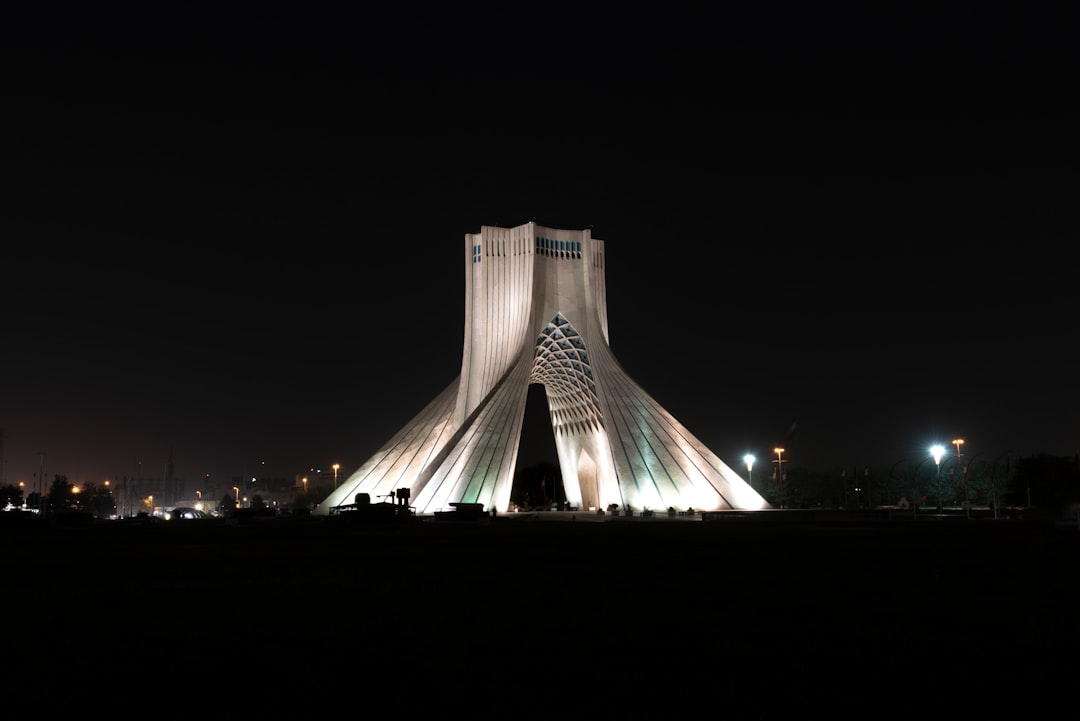
Iran illuminated Tehran's iconic Azadi Tower in the red, blue, and orange colors of the Armenian flag during Nowruz celebrations, a symbolic gesture highlighting the growing partnership between Yerevan and one of its southern neighbors.The lighting ceremony, reported by PanArmenian.net, coincided with the Persian New Year festival celebrated across Iran and parts of Central Asia and the Caucasus. The Azadi Tower—one of Tehran's most recognizable landmarks—has previously been lit in the colors of various nations during diplomatic occasions.While primarily a cultural gesture, the timing reflects deeper strategic cooperation between Armenia and Iran as both navigate shifting regional dynamics. Iran shares a 44-kilometer border with Armenia and has expressed concern about Azerbaijan's territorial gains following the 2020 war and 2023 recapture of Nagorno-Karabakh.Tehran's relationship with Yerevan serves multiple Iranian interests. A strong Armenia provides geographic separation between Iran and its regional rival Turkey, while also blocking a potential direct corridor between Azerbaijan and its ethnic Turkic ally Ankara. Iran hosts a significant Armenian minority, particularly in Isfahan, dating to forced relocations during the 17th century Safavid period.The partnership has practical dimensions beyond symbolism. Armenia has increasingly relied on the route for trade connections, especially as its borders with and remain closed. supplies natural gas to and the two nations have discussed expanding energy cooperation.In the Caucasus, as across mountainous borderlands, ancient identities and modern geopolitics create intricate patterns of conflict and cooperation. The Armenian-Iranian partnership reflects both historical ties and contemporary strategic calculations in a region where ethnic, religious, and geopolitical fault lines intersect.However, the relationship faces constraints. maintains correct relations with despite occasional tensions, and has been cautious about openly challenging the post-2020 territorial settlement in the . 's simultaneous pivot toward Western partners—including recent cooperation agreements with , , and the —may complicate deeper strategic alignment with .The Nowruz gesture demonstrates how cultural diplomacy serves broader strategic messaging. By honoring during a major national celebration, signals both solidarity with and concern about regional reconfigurations that could disadvantage Iranian interests.
|