

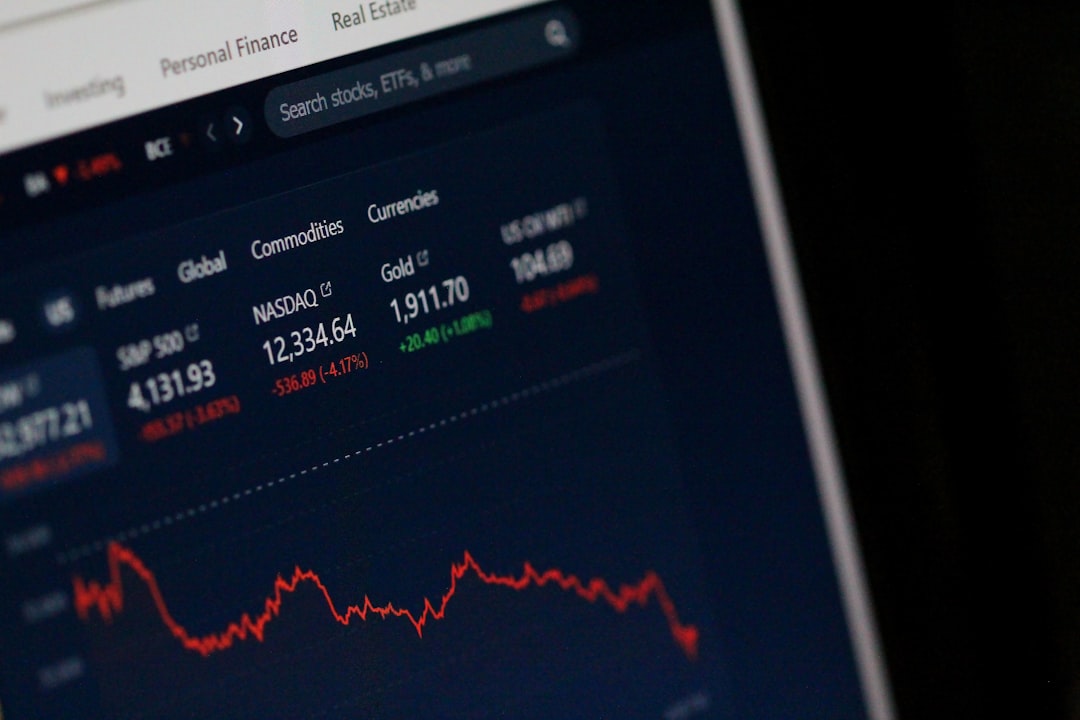
If you logged into your brokerage account this week and wondered why your tech stocks are bleeding while energy and defense names are ripping, you're not alone. The Iran conflict has triggered one of the sharpest sector rotations in recent memory - and it's forcing investors to rethink what worked for the past two years.
Here's what happened: When the Strait of Hormuz shut down, oil prices spiked, and the market instantly repriced energy stocks. Companies like Exxon, Occidental, and Chevron went from boring dividend plays to the hottest names in the market. Defense contractors like Lockheed Martin and Raytheon followed the same script - governments are rewriting military budgets in real time, and investors are front-running the spending.
Meanwhile, airlines got crushed. Jet fuel prices basically doubled overnight, destroying their margins. If you were holding Delta or Southwest, you just watched weeks of gains evaporate.
The question everyone's asking: Is it too late to chase energy and defense? The honest answer is maybe. If a ceasefire happens tomorrow, these stocks could give back a chunk of their gains. Wars don't last forever, and oil prices don't stay elevated indefinitely. Buying at the top of a panic-driven rally is usually a bad idea.
But here's the counterargument: This might not be temporary. Even if the shooting stops, the geopolitical risk premium isn't going away. Europe is rearming. The U.S. is rebuilding its defense industrial base. Energy security is back on the agenda after years of being ignored. That suggests energy and defense stocks could stay elevated longer than people think - not because of the war, but because of the structural shifts it's accelerating.
So what should you actually do? If you're tempted to dump your entire portfolio into energy stocks right now, pump the brakes. Chasing performance rarely works. But if you've been underweight energy and defense for years - and let's be honest, most retail investors have been - this might be a reasonable time to rebalance.
The smarter move is probably to think in terms of allocation rather than timing. Maybe you don't need to own 20% energy, but going from zero to 5-10% isn't crazy if you believe the world is structurally shifting toward higher defense spending and energy prices. Just don't convince yourself you're going to time the top.
One last thing: If you went to cash during the selloff, that wasn't necessarily wrong. Cash gives you optionality. The risk is staying in cash too long and missing the recovery. Rotations like this create opportunities - but only if you're positioned to take advantage of them.


