Iran has issued stark warnings of military retaliation against the United States as the American naval blockade of the Strait of Hormuz entered its second day, raising fears that the standoff could spiral into direct military confrontation.
The Islamic Revolutionary Guard Corps released a statement Monday warning that Iran possesses "the means and determination to break this illegal blockade" and would "defend our sovereign rights by all necessary means." The statement represents Tehran's most explicit threat yet to challenge the U.S. naval operation militarily.
Iranian state television broadcast footage Monday of fast attack craft, missile batteries, and naval commandos conducting exercises near the Strait of Hormuz, a clear signal of Tehran's readiness to contest American control of the waterway. The IRGC Navy, which operates independently from Iran's regular armed forces and reports directly to Supreme Leader Ayatollah Ali Khamenei, has primary responsibility for defending Iranian interests in the Gulf.
Khamenei himself addressed the crisis in remarks to military commanders, declaring that Iran would "not bow to bullying and threats." According to state media, the 84-year-old leader described the blockade as "an act of war" that violated international law and Iranian sovereignty.
The Iranian threats carry significant tactical credibility. The IRGC Navy operates hundreds of fast attack craft capable of swarming U.S. vessels in the confined waters of the strait. Iran has also deployed advanced anti-ship cruise missiles, including the Khalij-e Fars and Noor systems, along its coastline. Naval mines represent another tool in Iran's asymmetric arsenal, potentially capable of disrupting shipping even if direct confrontation is avoided.
U.S. military officials acknowledge these risks but express confidence in their ability to defend the naval task force. "We are prepared for any contingency," said Admiral Samuel Paparo, Commander of U.S. Central Command, in a statement. "Any attack on U.S. forces will be met with overwhelming force."
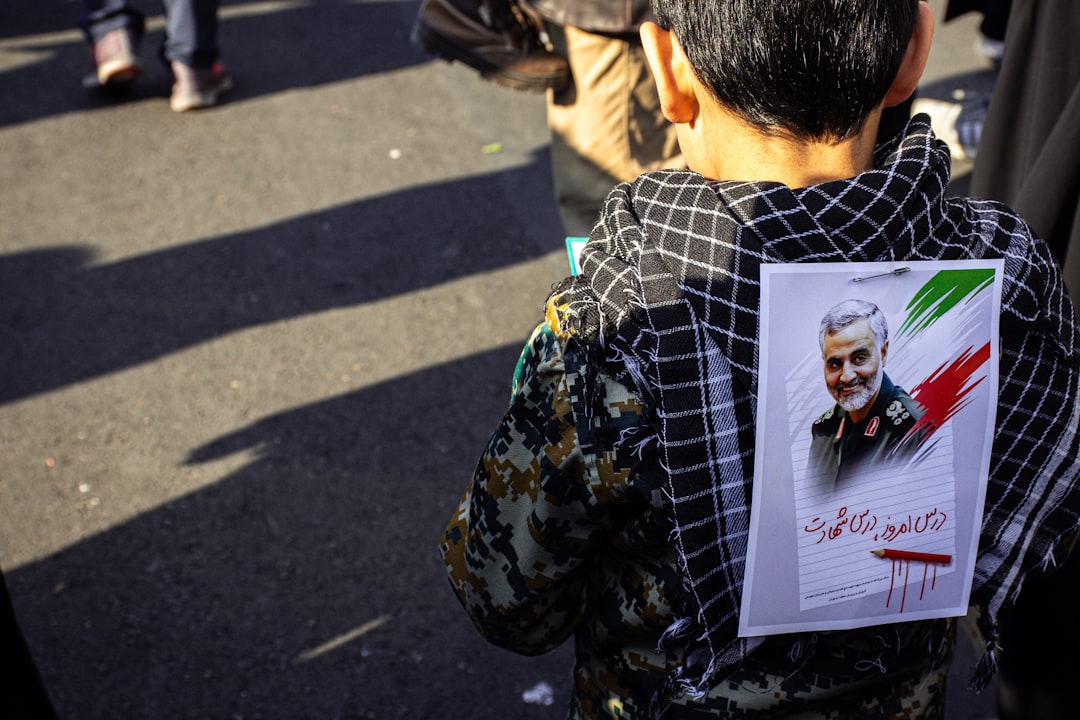
To understand today's headlines, we must look at yesterday's decisions. Iran and the United States came close to war in January 2020 after the U.S. killed IRGC Commander Qassem Soleimani in Baghdad. Iran responded with ballistic missile strikes on U.S. bases in Iraq that injured over 100 American personnel. Both sides ultimately stepped back from further escalation, but the episode demonstrated how quickly tensions could spiral into open conflict.
The current crisis carries even greater risks due to the economic stakes involved. The blockade has already disrupted shipping through the strait, with several tankers diverting to longer routes around Africa. Oil prices surged to $98 per barrel on Monday, while European natural gas futures jumped 12 percent on concerns about energy security.
Insurance rates for vessels transiting the Gulf have tripled in the past 48 hours, according to shipping industry sources. Several major shipping companies have announced they will avoid the region entirely until the crisis is resolved, effectively tightening the blockade more than U.S. naval forces alone could achieve.
The humanitarian implications are also mounting. Iran, under crushing international sanctions, relies heavily on oil exports to finance its economy and food imports. A prolonged blockade could trigger shortages of basic goods and potentially destabilize the regime internally — though whether such pressure would lead to concessions or further radicalization remains uncertain.
Diplomatic efforts to defuse the crisis have thus far failed. China and Russia, both major importers of Iranian oil, have called for an emergency UN Security Council meeting to address the blockade. However, the United States is certain to veto any resolution condemning its actions, rendering the UN process ineffective.
Intermediary nations, including Oman and Qatar, have offered to facilitate negotiations between Washington and Tehran, but neither side has shown willingness to engage. The Trump administration maintains that Iran must first cease all uranium enrichment and end support for regional proxy forces — demands Tehran categorically rejects as infringements on its sovereignty.
Military analysts suggest the most dangerous period may be the coming 48 to 72 hours. If Iran decides to challenge the blockade, it will likely do so quickly to demonstrate resolve before the operation becomes normalized. The risk of miscalculation is acute: a limited Iranian probe could trigger U.S. retaliation that escalates beyond either side's intentions.
Already, there are reports of close encounters between Iranian fast boats and U.S. destroyers in the strait. While no shots have been fired, the proximity of armed vessels operating under tense circumstances creates the potential for an incident that could ignite broader hostilities.
The situation places enormous pressure on both governments. For Ayatollah Khamenei, failing to respond to the blockade could undermine his authority and embolden internal opposition. For President Trump, backing down after implementing the blockade would be portrayed as weakness by domestic critics. These political dynamics reduce the space for compromise and increase the likelihood of further escalation.
As the crisis enters its third day, the world watches anxiously to see whether diplomacy can prevail or whether two adversaries locked in mutual hostility will stumble into a war neither can fully control.