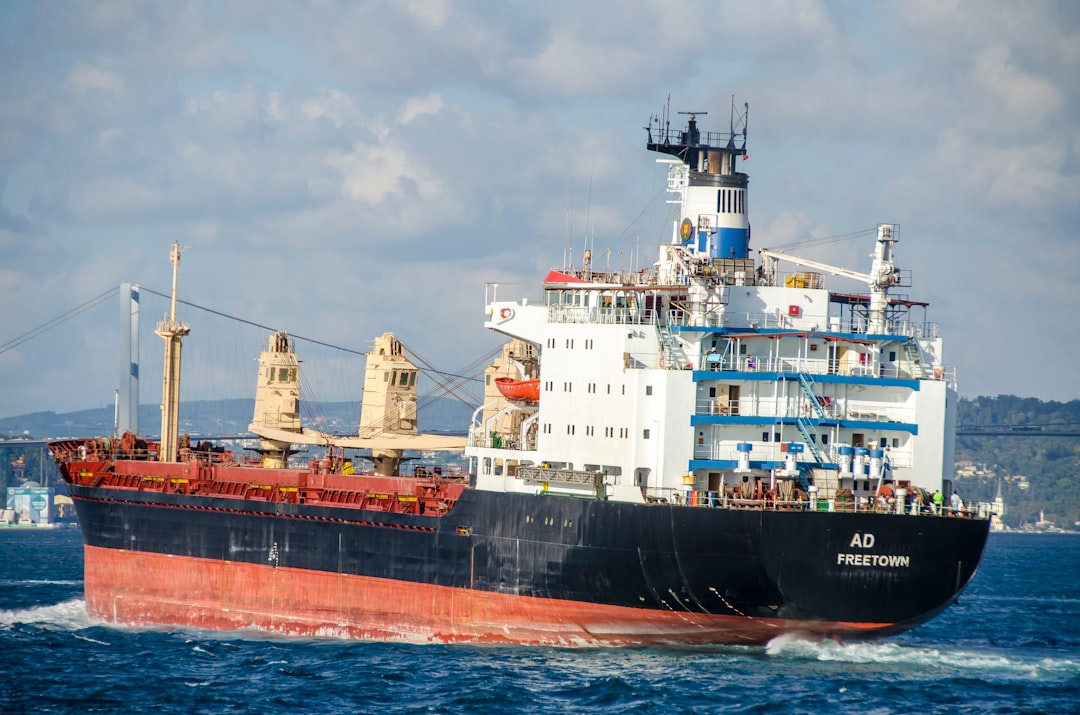
Iran's Islamic Revolutionary Guard Corps has issued a direct challenge to President Donald Trump, daring the United States to provide naval escorts for oil tankers transiting the Strait of Hormuz—the world's most critical energy chokepoint. The brazen provocation, reported by Reuters, comes as oil prices surge to two-year highs and regional tensions threaten global energy security.
"Let the Americans try to escort their tankers through our waters," IRGC Commander Hossein Salami declared in a televised address. "We will show them the consequences of their aggression against the Iranian people." The statement represents the most direct military challenge Iran has issued to the Trump administration since the current conflict began.
The Strait of Hormuz, a narrow waterway between Iran and the Arabian Peninsula, serves as the primary shipping route for approximately 21 million barrels of oil per day—roughly 21% of global petroleum consumption. Any sustained disruption to traffic through the strait would trigger immediate energy price spikes and potentially send the global economy into recession.
To understand today's headlines, we must look at yesterday's decisions. This is not Iran's first attempt to weaponize the strait. During the Iran-Iraq War in the 1980s, both sides attacked tankers in what became known as the "Tanker War." I have reviewed declassified accounts from that era: the stakes today are significantly higher, with global oil demand having doubled since then.
The IRGC's challenge puts President Trump in a difficult position. Accepting the dare and deploying naval escorts would commit substantial U.S. military resources to a mission fraught with risks of escalation. the challenge, however, could be interpreted as a sign of American reluctance to fully commit to the conflict—potentially emboldening further.