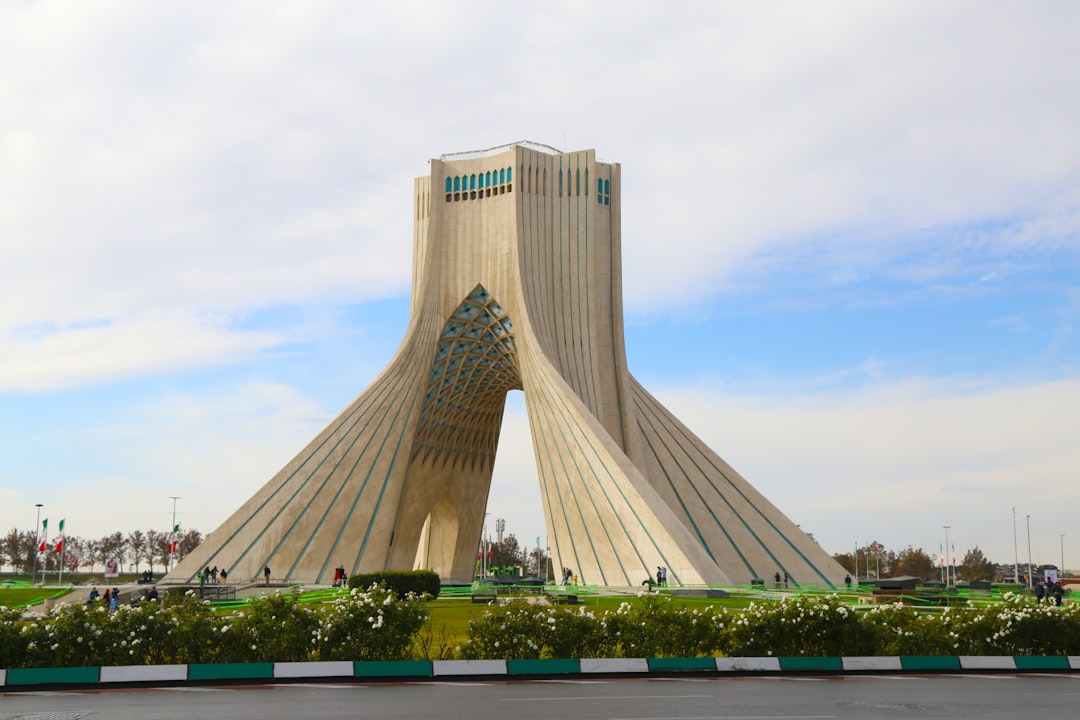
Iran's newly appointed Supreme Leader Ayatollah Seyyed Mojtaba Hosseini Khamenei delivered his first official message, committing the Islamic Republic to continued military pressure on adversaries and explicitly threatening to maintain the closure of the Strait of Hormuz—a critical passage for global energy supplies.
The address, published by state media, represents the first clear indication of policy direction under Iran's new leadership following the Assembly of Experts' controversial selection of Khamenei after his father's death. The younger Khamenei, whose appointment drew criticism for appearing dynastic in a system that claims meritocratic clerical governance, adopted a notably hawkish tone that suggests continuity rather than departure from his predecessor's confrontational regional strategy.
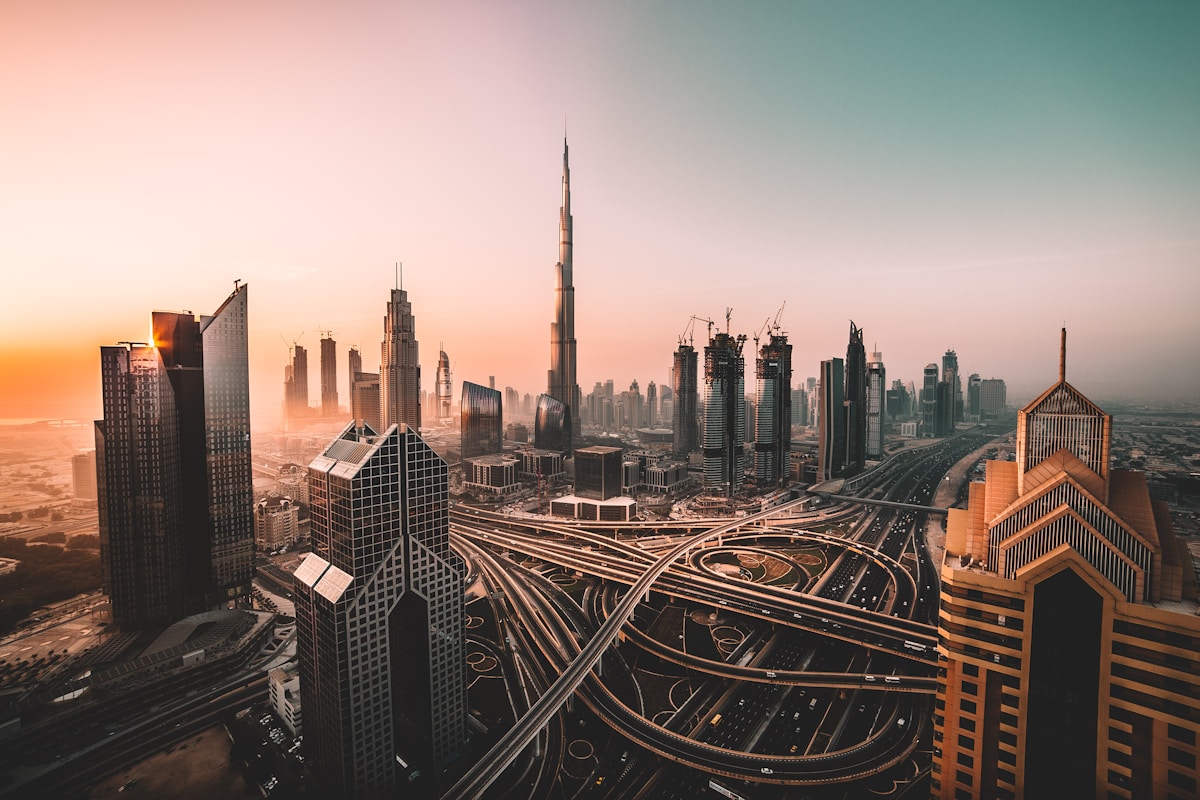
"The Strait of Hormuz must remain closed," Khamenei declared, confirming that "blocking the Strait of Hormuz must certainly be used as before." The narrow waterway, through which approximately one-fifth of global oil supplies pass, has been partially obstructed by Iranian naval operations amid escalating tensions with Israel and Western powers. Recent drone strikes on Dubai's financial district, attributed to Iranian forces, demonstrate the operational reach of this strategy beyond the strait itself.
The practical implications of sustained closure are severe. Energy analysts estimate that prolonged disruption would send oil prices above $150 per barrel, triggering global recession. Yet Iran's commitment reflects calculated strategic logic: the chokepoint represents Tehran's most effective asymmetric leverage against militarily superior adversaries, particularly as economic sanctions tighten and Israeli strikes target Iranian infrastructure.

In Iran, as across revolutionary states, the tension between ideological rigidity and pragmatic necessity shapes all policy—domestic and foreign. Khamenei's address attempted to balance both imperatives, promising "effective and punitive defense" while authorizing military planners to study "other fronts where the enemy has little experience" for potential activation if hostilities persist.
The new leader directed particular attention to Iran's regional neighbors hosting foreign military installations, likely referencing the United Arab Emirates, Bahrain, Qatar, and Saudi Arabia—all of which host American bases supporting operations against Iranian interests. Khamenei stated that Tehran will continue targeting such installations without attacking the countries themselves, urging regional leaders to "close those bases as soon as possible."
The warning carries implicit threat: recent strikes on Dubai, ostensibly targeting infrastructure rather than Emirati government facilities, exemplify this approach of surgical escalation designed to punish without triggering full-scale state-to-state war. Yet the distinction grows increasingly fragile as civilian casualties mount and economic damage spreads.
Khamenei's argument that American security guarantees prove unreliable resonates with regional states' recent experiences. The United States has demonstrated inconsistent commitment to Gulf Arab security despite decades of military partnerships. Iranian strikes on Saudi oil facilities in 2019 drew limited American response; the current crisis follows similar patterns of Gulf states bearing costs while Washington calibrates its engagement.
For neighboring governments, the calculus becomes excruciating: closing American bases eliminates their primary deterrent against further Iranian pressure, yet maintaining those installations invites the very attacks they're meant to prevent. Khamenei's message exploits this strategic contradiction, offering conditional restraint in exchange for tangible concessions that would fundamentally reshape regional security architecture.
Khamenei also pledged revenge for specific incidents, particularly the attack on the "Shajareh-e Tayyebeh elementary school in Minab," telling bereaved families: "We will not forgo avenging the blood of your martyrs." The commitment to retaliation, framed in religious and revolutionary terms, suggests that Iran's military operations will intensify rather than moderate under new leadership.
The invocation of specific martyrdom narratives serves dual purposes: honoring casualties reinforces the Supreme Leader's religious credentials and revolutionary legitimacy, while concrete revenge pledges commit the regime to escalatory actions that preclude diplomatic flexibility. Khamenei inherits not just authority but accumulated obligations to constituencies expecting visible retribution.
The succession itself remains controversial within Iran. While the Assembly of Experts formally selected Khamenei, critics note that the 61-year-old cleric's elevation appears to prioritize family lineage over the revolutionary system's foundational principles. His father served over 60 years in leadership positions, creating networks of patronage and institutional relationships that the son inherits along with the title.
Khamenei acknowledged in his address the "difficulty of assuming this historic position"—a rare admission that may reflect awareness of legitimacy questions surrounding his appointment. Reform-minded Iranians and segments of the clerical establishment had hoped for a leader more inclined toward diplomatic engagement and economic reconstruction. Instead, the first message emphasizes "popular participation, national unity, and mutual assistance among citizens during wartime conditions"—framing Iran's current posture as defensive necessity rather than revisable policy.
The succession timing compounds its controversy. Iran faces simultaneous military pressure from Israel, economic collapse from sanctions, infrastructure damage from airstrikes, and Hormuz closure costs that burden Iranian commerce as much as adversaries'. A leader selected under these circumstances inherits constrained options regardless of personal inclination; Khamenei's hardline rhetoric may reflect genuine conviction or strategic necessity in consolidating authority among powerful factions expecting defiance.
Regional reactions have been muted but concerned. Gulf Arab states, already experiencing the economic disruption of Hormuz closure and direct Iranian strikes, face the uncomfortable calculus that Khamenei's message articulates: American security guarantees have proven unreliable, yet accommodating Iranian demands by closing U.S. bases would eliminate their primary deterrent.
Western diplomatic efforts to revive nuclear negotiations appear increasingly distant as Iran's new leadership prioritizes military resistance over economic relief through sanctions removal. The hardline tone suggests that pragmatist factions advocating compromise have lost influence in the succession struggle, or that the new Supreme Leader lacks sufficient political capital to pursue accommodation even if strategically inclined.
For outside observers, Khamenei's first address offers a clear signal: Iran's regional strategy, its nuclear brinkmanship, and its network of proxy forces across the Middle East will continue under leadership that views ideological steadfastness and military pressure as mutually reinforcing rather than contradictory. Whether this represents permanent doctrine or opening negotiating position—establishing maximum demands before eventual compromise—remains uncertain.
The tension between regime survival and economic collapse, accelerated by sanctions, strikes, and the costs of regional confrontation, will test whether Khamenei's calculus proves sustainable. His father navigated similar pressures for over three decades through tactical flexibility beneath ideological consistency. The son inherits the model but operates in vastly more constrained circumstances, with less room for the patient maneuvering that characterized his predecessor's tenure.
What remains clear is that Iran's new Supreme Leader has staked his opening position on resistance rather than accommodation, military pressure rather than diplomatic engagement, and regional confrontation rather than economic reconstruction. Whether subsequent messages reveal tactical nuance beneath the hardline rhetoric will determine not just Iran's trajectory but the broader Middle East security architecture for years to come.