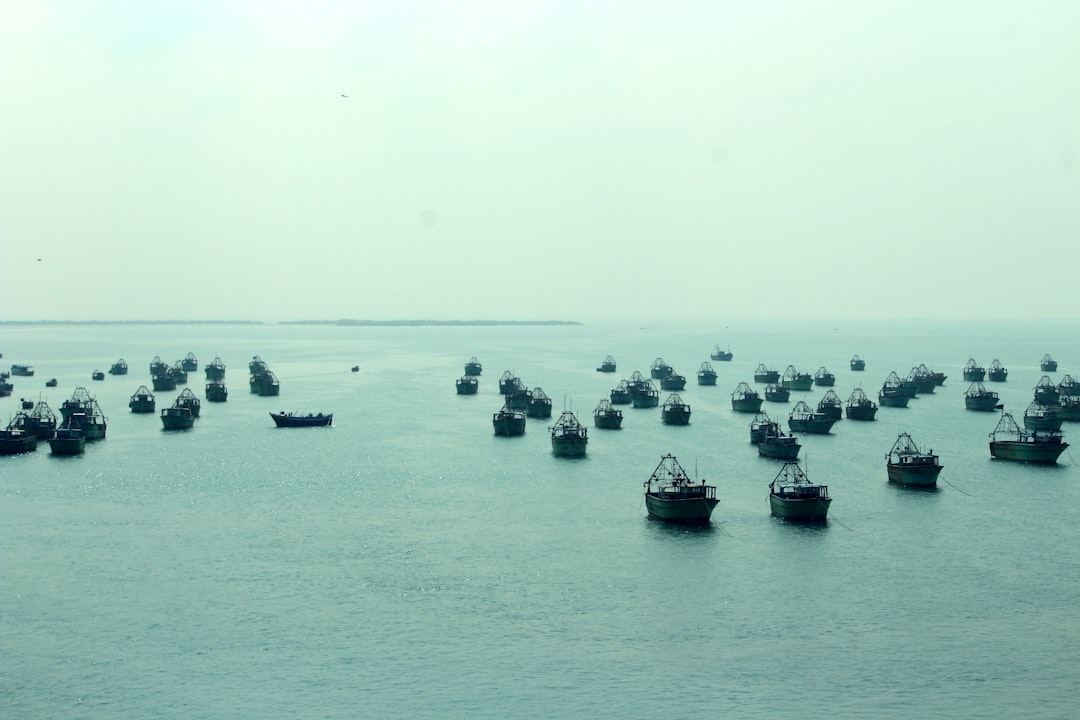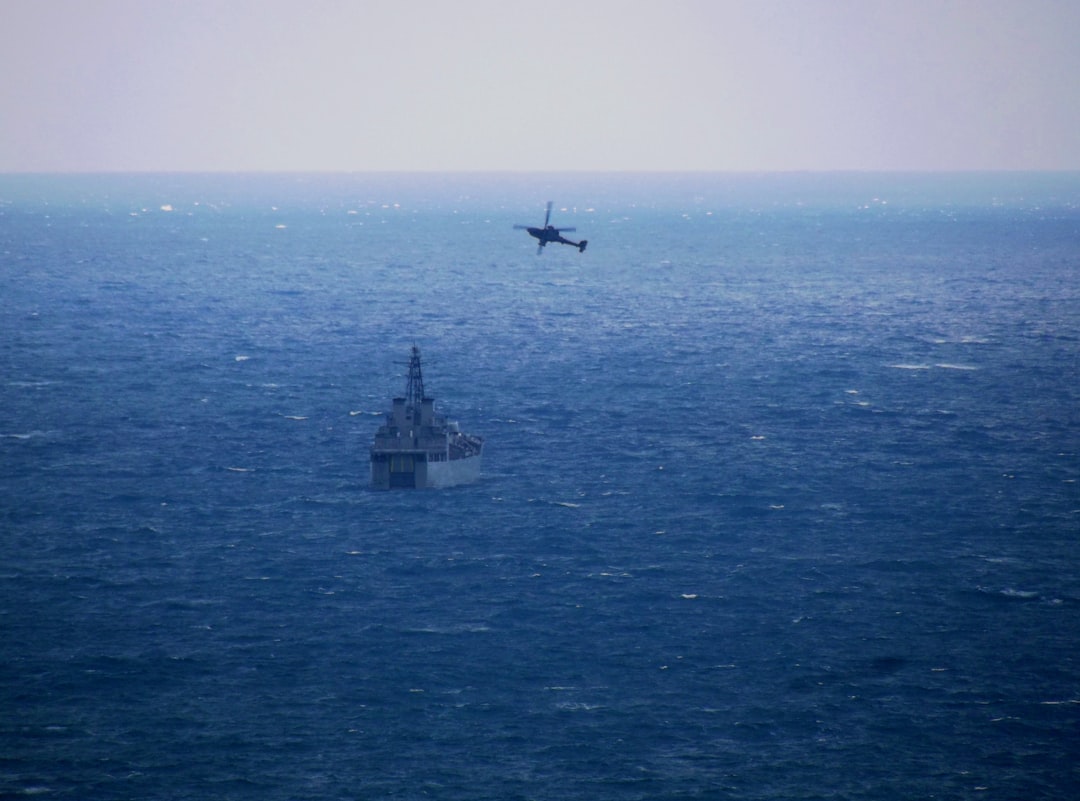

Iran delivered more than 11.7 million barrels of crude oil to China through the Strait of Hormuz since late February, maintaining energy flows despite escalating regional conflict and security threats in the strategic waterway, according to satellite monitoring data from Tanker Trackers.
The shipments, confirmed by Tanker Trackers co-founder Samir Madani, occurred following US-Israel military actions against Iranian targets and subsequent Iranian counterstrikes beginning February 28. The continued flow underscores Beijing's calculus in the Middle East: energy security takes precedence over geopolitical pressure, even as regional instability raises operational risks.
China's energy dependence on the Persian Gulf remains structural. Despite efforts to diversify suppliers and increase domestic production including shale gas and renewables, China imported approximately 11 million barrels per day of crude oil in 2025, with Iran representing a significant share purchased often at discounted rates due to Western sanctions. The Strait of Hormuz, a chokepoint handling roughly one-fifth of global oil and gas transport, represents infrastructure China cannot easily circumvent despite Belt and Road investments in alternative routes like pipelines through Central Asia and Pakistan.
In China, as across Asia, long-term strategic thinking guides policy—what appears reactive is often planned. Beijing's continued Iranian oil purchases reflect both immediate energy needs and broader Middle East positioning. While officially calling for de-escalation and supporting Iranian sovereignty in international forums, China maintains de facto neutrality that preserves access to Gulf energy supplies from multiple producers. Chinese diplomatic engagement with both Iran and Gulf Arab states, including recent mediation of the Saudi-Iranian normalization, aims to stabilize the region without taking sides in conflicts that could disrupt energy flows.
The security environment has affected shipping patterns. Regional tensions have slowed commercial traffic through the Strait, with some tankers avoiding the route due to threats from Houthi attacks in the Red Sea and potential Iranian responses to military strikes. Insurance premiums for vessels transiting the area have increased substantially. Yet Iranian crude continues flowing to Chinese refineries, often aboard tankers operating with transponders disabled to avoid sanctions enforcement.