
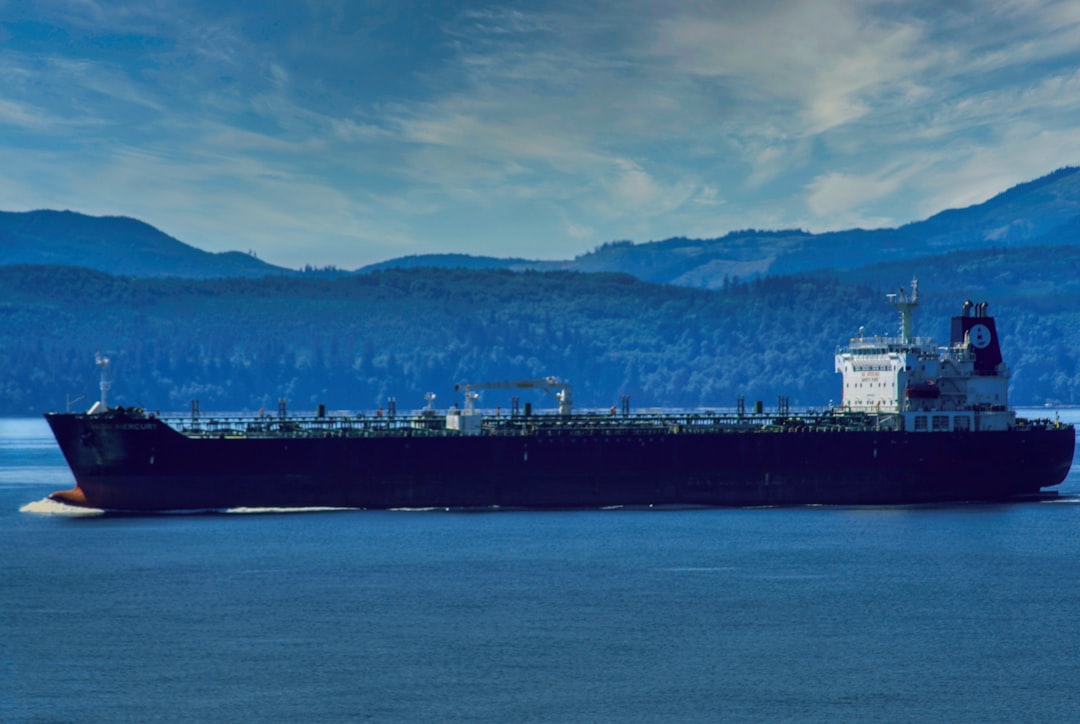
Iran is reportedly considering allowing oil tankers through the Strait of Hormuz only if the cargo is traded in Chinese yuan, according to a CNN report - though investors should treat this story with significant caution given the weak sourcing.
Here's what we know: the original report comes from turkiyetoday.com, citing CNN, about a potential Iranian policy shift. If true, it would mark another step in the slow erosion of the dollar's dominance in energy markets. But "if true" is doing a lot of work in that sentence.
Iran has effectively closed the Strait of Hormuz since March 1, following military strikes that began February 28. The strait handles approximately 20 million barrels daily and roughly one-fifth of global liquified natural gas trade. Any policy about what can pass through matters enormously - if the policy is real.
The yuan-for-oil concept isn't new. Russia has been trading sanctioned oil in rubles and yuan for years. China has long pushed to expand yuan usage in energy transactions, though the dollar still dominates global oil trade. What would be new is Iran using access to a critical shipping lane as leverage to force the shift.
For energy markets, this is more symbolic than practical right now. Iran is under heavy sanctions, so most of its oil already trades outside the dollar system anyway. But the signal matters: if major oil producers start demanding yuan, it chips away at one of the key reasons the dollar remains the world's reserve currency.
Oil prices have already hit their highest levels since July 2022, driven by concerns about Strait of Hormuz disruptions. Any confirmation of this policy would likely add a premium on top, since it introduces currency risk into an already volatile situation.
The UN has warned that shipping restrictions through the strait could produce a "massive impact" on regional humanitarian operations, which gives you a sense of how critical this waterway is.