

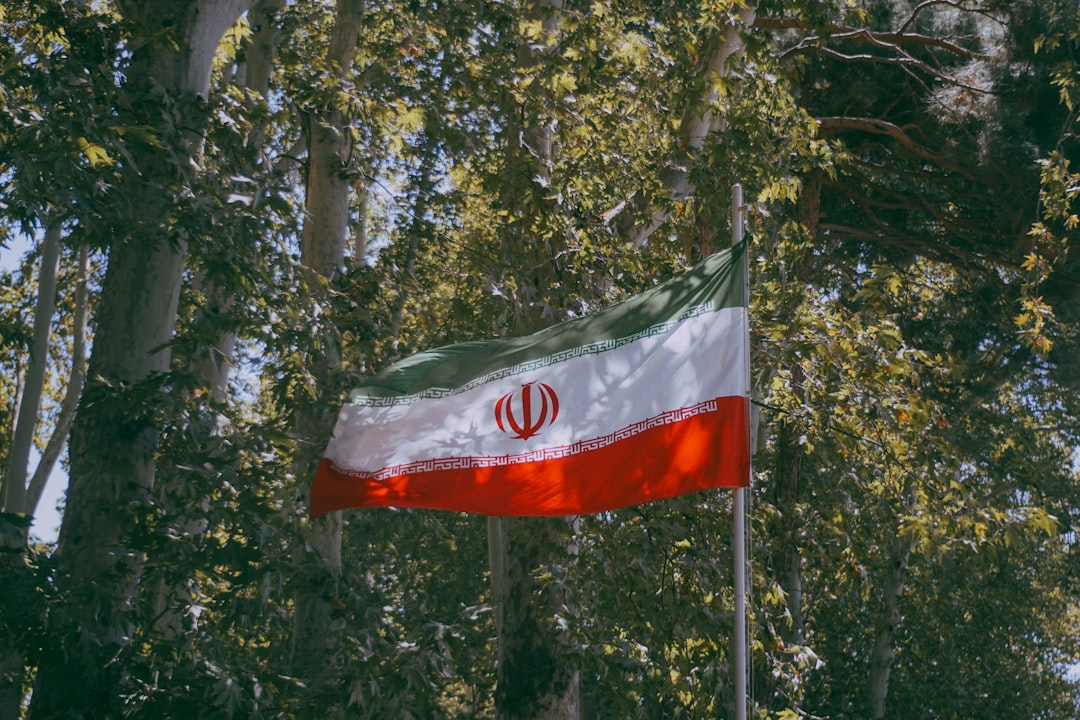
Tehran has formally designated the military forces of all European Union member states as terrorist organizations, marking a dramatic escalation in the diplomatic confrontation between Iran and Europe.
The Iranian Security Council announced the measure on Saturday in direct retaliation for the EU's recent decision to expand sanctions against Iran's Islamic Revolutionary Guard Corps. The move represents one of the most severe diplomatic ruptures between Tehran and Brussels in recent years.
To understand today's headlines, we must look at yesterday's decisions. This latest confrontation traces its roots to the collapse of the Joint Comprehensive Plan of Action—the 2015 nuclear agreement that unraveled after the United States withdrew in 2018. Since then, Iran has steadily reduced its cooperation with international nuclear inspectors while accelerating its uranium enrichment program.
The EU's expansion of sanctions targeting IRGC commanders came after European intelligence agencies documented what they described as Iranian attempts to assassinate dissidents on European soil and transfer weapons to proxy forces across the Middle East. France, Germany, and the United Kingdom—the three European signatories to the nuclear deal—had pushed for the measures after years of mounting frustration with Tehran.
Iran's designation of EU militaries as terrorist entities appears largely symbolic, as Iran faces no immediate military threat from European forces. However, the move carries legal implications under Iranian law and signals Tehran's willingness to abandon diplomatic norms in its confrontation with the West.
A senior EU official, speaking on condition of anonymity, told Reuters that the designation would not alter Europe's strategic posture but underscored the deteriorating state of relations. "We are witnessing the final death throes of any diplomatic engagement framework," the official said.
The timing coincides with renewed international concern about Iran's nuclear program. The International Atomic Energy Agency reported last week that Tehran has accumulated sufficient highly enriched uranium to potentially produce several nuclear weapons, though it has not yet taken steps to weaponize the material.
European foreign ministers are scheduled to meet in Brussels next week to coordinate their response. Diplomats familiar with the discussions say options include further economic sanctions targeting Iran's oil exports and financial sector, though disagreement remains over how aggressively to respond.
For Iran, the confrontation with Europe comes as it faces mounting domestic unrest over economic conditions and political repression. The regime's hardline approach toward the West serves partly as a rallying cry for its conservative base, but it also risks further isolation at a time when the country's economy remains under severe strain from existing sanctions.
This diplomatic rupture leaves little room for the revival of nuclear negotiations. Western officials had hoped that economic pressure might eventually bring Iran back to the negotiating table, but Tehran's latest move suggests it is doubling down on confrontation rather than compromise.



