
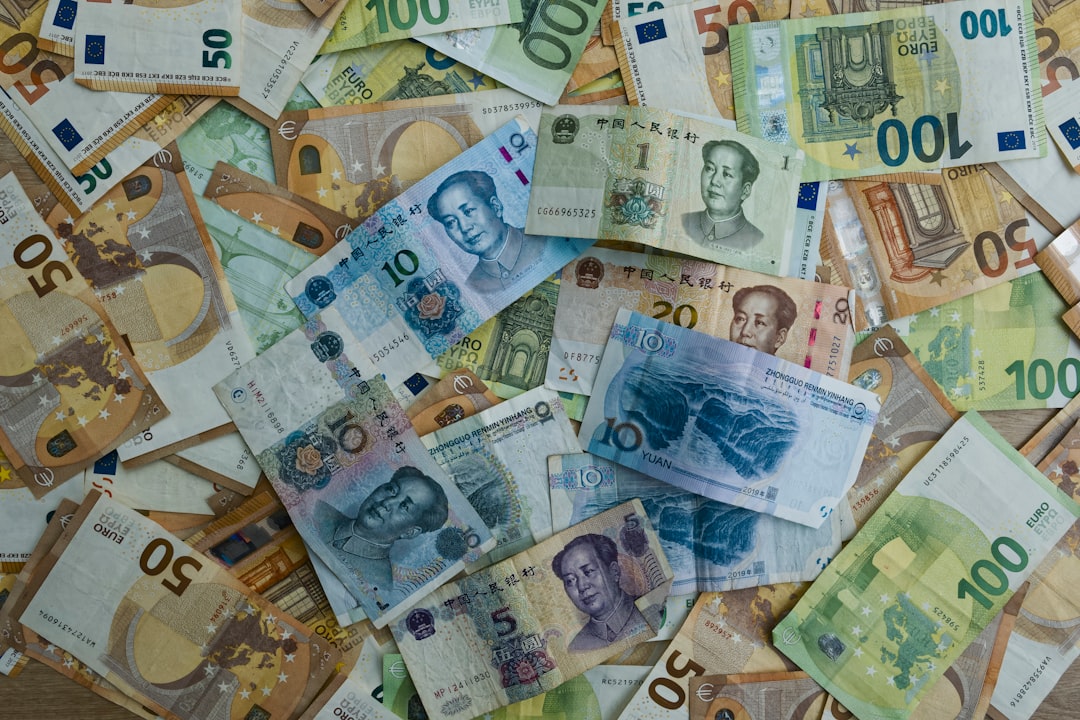
Iran has informed several nations that it may permit oil shipments through the Strait of Hormuz if payments are made in Chinese yuan rather than U.S. dollars, according to diplomatic sources, opening a new front in the economic warfare surrounding the crisis and potentially reshaping global energy payment systems.The demand, first reported by CNN, represents Tehran's most explicit attempt to weaponize the crisis in service of broader de-dollarization objectives. It also highlights China's quiet but potentially decisive role as both economic lifeline and potential mediator in the standoff."This is economic warfare dressed up as pragmatic accommodation," a senior European diplomat told this correspondent, speaking on condition of anonymity to discuss sensitive negotiations. "Iran sees an opportunity to fundamentally alter the architecture of energy payments while the world is desperate for supply."To understand today's headlines, we must look at yesterday's decisions. Iran and China have been steadily expanding yuan-denominated trade since Washington withdrew from the 2015 nuclear agreement and reimposed sanctions. Beijing purchases substantial volumes of Iranian oil at steep discounts, often through elaborate schemes designed to circumvent U.S. sanctions.The current crisis has dramatically increased Tehran's leverage. With shipping through the Strait of Hormuz—which typically carries one-fifth of global oil supplies—reduced to a trickle, energy-importing nations face mounting economic pain. Iran's yuan demand effectively forces countries to choose between accepting Tehran's terms or enduring continued supply disruptions.For China, the arrangement offers multiple advantages. Expanded yuan use in energy markets would bolster 's long-standing ambition to internationalize its currency and reduce global dependence on the dollar-based financial system. It would also deepen 's economic relationship with at a moment when is focused on military confrontation.Critically, could position itself as indispensable to resolving the crisis—the only power capable of both supplying yuan liquidity and potentially persuading to ease its blockade. Chinese diplomats have notably refrained from condemning 's actions while calling for from all parties." is playing a very sophisticated game," said Dr. , a sanctions expert at the Atlantic Council who has advised European governments on Iran policy. "They're not openly backing , but they're creating the financial infrastructure that makes 's position sustainable while offering themselves as the solution."The yuan demand poses acute dilemmas for energy-importing nations. Accepting it would violate the spirit, if not the letter, of sanctions and potentially expose companies to secondary sanctions. It would also legitimize 's blockade tactics and accelerate the fragmentation of global financial systems.Yet the alternatives are equally unappealing. Continued supply disruption is already driving inflation and threatening economic growth across and . Some analysts warn that prolonged closure of the strait could trigger a global recession more severe than the 2008 financial crisis.European officials have expressed frustration that 's aggressive military posture has strengthened 's hand while offering a strategic opening. "We're being asked to choose between demands for solidarity and economic suicide," one energy security official said.Several Asian nations have reportedly engaged in quiet discussions with financial institutions about yuan payment mechanisms, though no government has publicly acknowledged considering 's terms. The conversations themselves underscore how rapidly the crisis is eroding financial dominance in the energy sector.The yuan gambit also reveals the limits of military power in resolving the crisis. 's strikes on Iranian oil infrastructure and threats of further action have not compelled to reopen the strait. Instead, has expanded attacks beyond its borders while leveraging 's economic power to offset Western pressure.As the standoff enters its second week, the question is no longer simply whether military force can reopen the strait, but whether the crisis will permanently reshape global energy and financial systems in ways that diminish influence. 's yuan demand suggests believes the answer is yes.
|