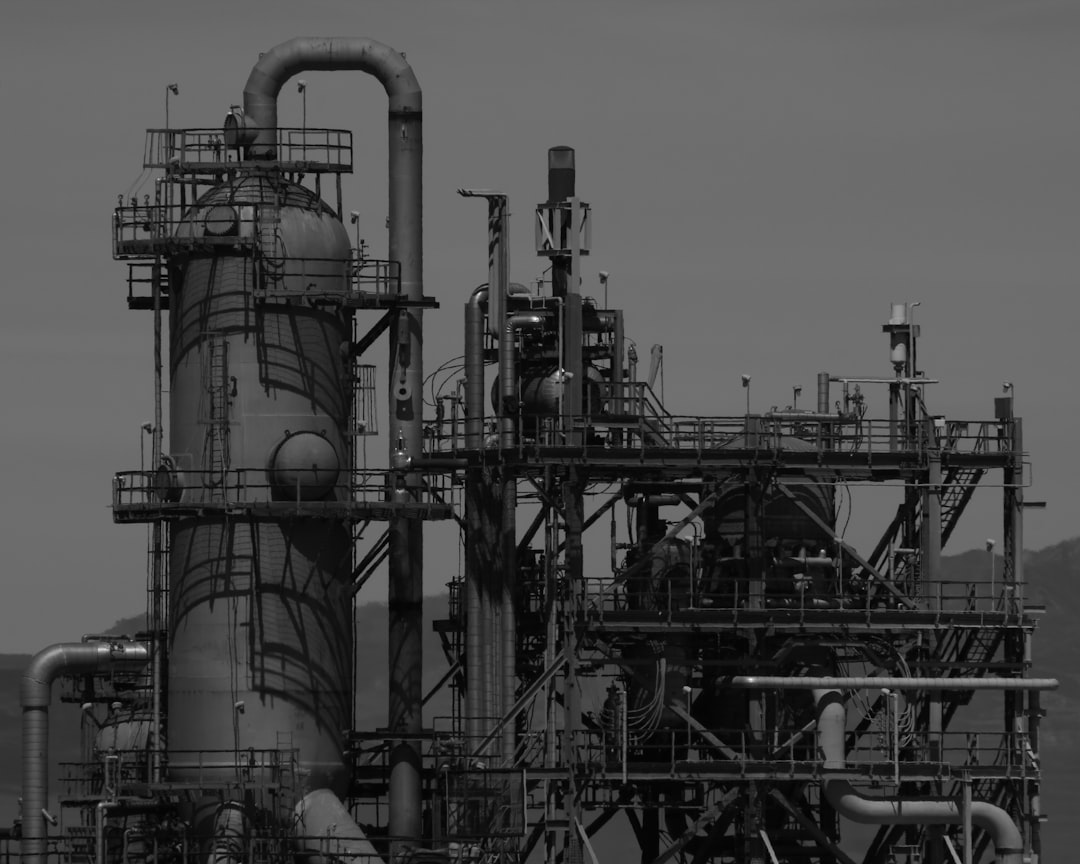
Iran's Oil Refining Company confirmed on Tuesday that its Lavan refinery was struck in recent attacks, marking the first official acknowledgment of significant damage to the country's energy infrastructure and potentially explaining Tehran's willingness to enter ceasefire negotiations with Washington.
The confirmation, reported by Reuters through the state-run Shana news agency, comes days after satellite imagery and intelligence assessments suggested the facility had sustained major damage in strikes attributed to Israeli or American forces.
The Lavan refinery, located on Lavan Island in the Persian Gulf, processes approximately 100,000 barrels per day primarily for domestic consumption. The facility's strategic importance extends beyond its refining capacity; it serves as a key node in Iran's export infrastructure and is located near critical offshore oil and gas fields.
To understand today's headlines, we must look at yesterday's decisions. Throughout the week-long escalation with the United States, Iran maintained public defiance while privately signaling openness to negotiation. The confirmation of damage to Lavan—which officials had previously denied—suggests the strikes had more severe economic and strategic consequences than Tehran initially acknowledged.
"The admission is significant because Iran typically minimizes or denies successful attacks on its infrastructure," said Sanam Vakil, deputy director of the Middle East and North Africa Programme at Chatham House. "Confirming this level of damage indicates they couldn't hide it and needed to explain to their domestic audience why they're negotiating."
Iranian officials provided limited details about the extent of damage or the timeline for repairs. However, industry analysts suggest that restoring full operations at the Lavan facility could take months and require imported equipment subject to sanctions restrictions.
The economic implications are substantial. Iran's oil sector is the foundation of its economy and the primary source of hard currency despite years of sanctions. Disruption to refining capacity affects both export revenues and domestic fuel supplies, with potential for political instability if gasoline shortages emerge in major cities.
The attack on Lavan was reportedly part of a broader campaign targeting Iran's energy infrastructure during the escalation. Other facilities, including sites at Bandar Abbas and Kharg Island, may have also sustained damage, though Tehran has not confirmed strikes on those locations.
Energy security experts note that Iran's petroleum infrastructure presents a vulnerable target due to its concentration in a relatively small geographic area and limited air defense coverage compared to other strategic sites. "The nuclear facilities are heavily defended, but the oil infrastructure is spread out and softer," said Robert McNally, president of Rapidan Energy Group. "That creates an asymmetry that can be exploited in limited military operations."
The timing of the admission, coming just one day after the ceasefire announcement, suggests Iranian officials calculated that acknowledging the damage now would be seen as candor rather than weakness. It also provides domestic political cover for Supreme Leader Ali Khamenei's decision to agree to negotiations, framing the pause as a necessary step to address economic vulnerabilities rather than military defeat.
Global oil markets reacted cautiously to the news, with analysts noting that confirmed damage to Iranian refining capacity could affect regional supply dynamics even with the ceasefire in place. Brent crude traded slightly higher on the confirmation, with traders citing uncertainty about how quickly Iran can restore operations.
The disclosure also raises questions about what other infrastructure damage Iran sustained but has not yet acknowledged. Western intelligence assessments suggest multiple facilities were hit, but the extent and impact remain subjects of classified analysis.
As negotiations between Washington and Tehran begin in Islamabad on Friday, the confirmed damage to Lavan provides context for understanding Iran's negotiating position. Rather than bargaining from strength, Tehran faces immediate economic pressures that may inform its willingness to make concessions in exchange for sanctions relief and security guarantees.