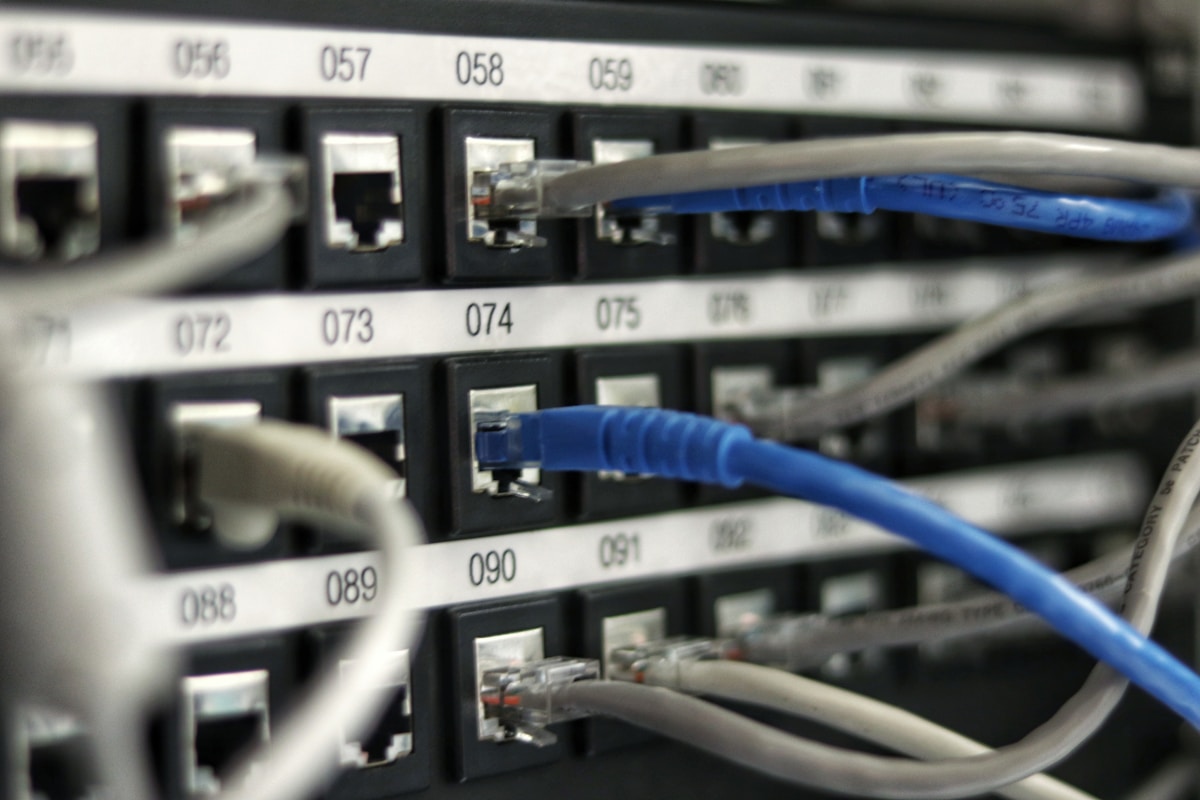
Iran is alleging that U.S.-made networking equipment from Cisco and other manufacturers failed during recent military strikes - and they're claiming it's evidence of deliberate backdoors enabling "deep sabotage."
According to Iranian officials, devices rebooted and lost functionality despite an active internet blackout, suggesting the failures were triggered remotely through pre-installed access mechanisms rather than network-based attacks.
The cybersecurity community has been warning about this for years: hardware backdoors aren't theoretical. Iran's claims may be self-serving, but they're asking questions the tech industry has been avoiding.
Here's what makes this allegation technically interesting: if networking equipment can be remotely triggered to fail during an internet blackout, that suggests functionality built into the hardware or firmware itself - not just a network-based exploit.
That's a fundamentally different threat model.
Network vulnerabilities can be patched. Software exploits can be detected. But if the hardware itself contains hidden functionality that can be triggered through non-standard channels - radio frequencies, satellite signals, or other covert means - that's not something you can simply update away.
Iran specifically named Cisco and other Western manufacturers. For context: Cisco equipment is ubiquitous in enterprise and government networks worldwide. If their devices contained remotely triggerable backdoors, the implications extend far beyond Iran.
Now, let's be clear: Iran has every incentive to make these claims whether they're true or not. Blaming equipment failure on foreign sabotage is better optics than admitting your infrastructure got hacked through normal means.
But the allegation taps into legitimate concerns that have existed in the security community for decades. The NSA's ANT catalog - leaked by Edward Snowden - documented exactly these kinds of hardware implants and interdiction capabilities. The U.S. has publicly worried about similar backdoors in Chinese networking equipment from Huawei.
The uncomfortable truth is that supply chain security is nearly impossible to guarantee. When critical infrastructure runs on hardware from foreign manufacturers, you're trusting not just the company but their government's potential influence.
Cisco and other manufacturers will almost certainly deny these specific claims. But denial doesn't address the broader question: in an era where nation-states are actively developing supply chain compromise capabilities, how do you trust any hardware you didn't build yourself?
You can't audit every chip. You can't verify every firmware update. You're taking it on faith that the devices running your critical infrastructure don't contain hidden functionality.
Iran is now claiming that faith was misplaced. Whether this specific incident happened as described, the vulnerability they're highlighting is real. And it's not going away.