
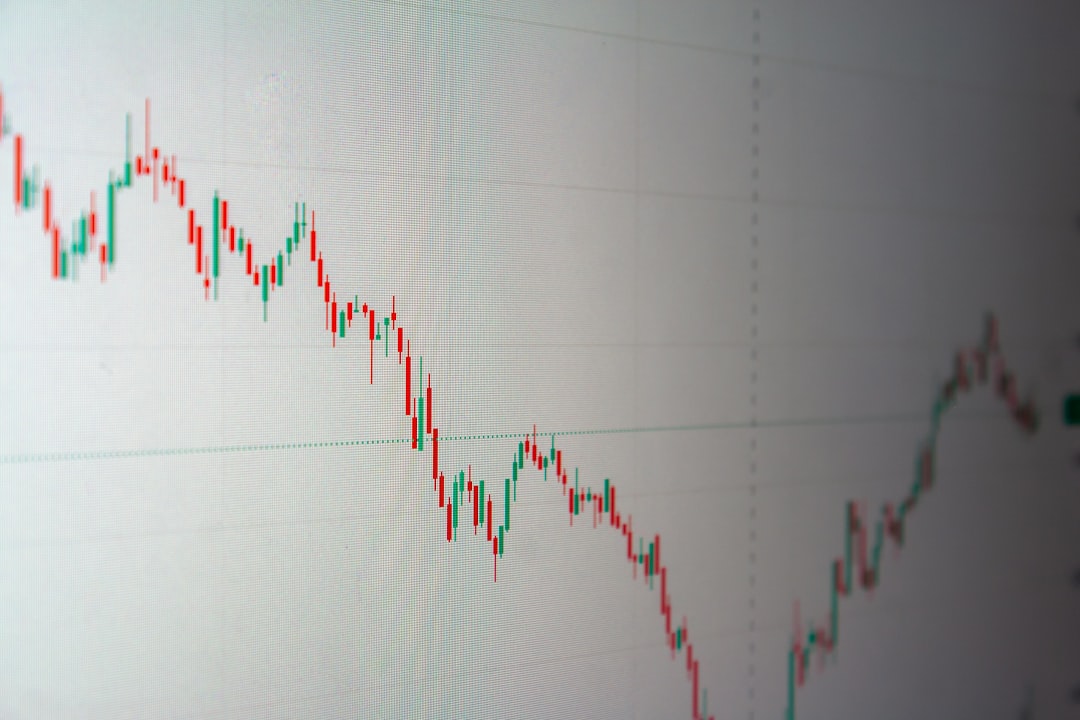
There's a story making the rounds on r/stocks that every investor should read, because it's basically a masterclass in why timing the market is impossible.
An investor posted that they'd been sitting on $70,000 in cash for months, waiting for the market to drop. They watched economic indicators flash red. They saw recession warnings. They knew a correction was coming. But the market just kept climbing.
Finally, at the end of December and start of January, they said "screw it" and threw the entire $70k into Amazon, Google, and IONQ. And then, a month later, the market crashed.
They're understandably frustrated. They waited patiently. They were right that a correction was coming. But the moment they bought in, it happened. Classic Murphy's Law.
Here's the thing: this person did basically everything wrong, but also kind of everything right, depending on your time horizon.
Let's start with what they did wrong. Lump-sum investing $70k right before a crash is painful. No way around it. If they'd dollar-cost averaged over several months, they'd be feeling a lot less pain right now. Spreading the $70k out over 6-12 months would have meant buying some shares cheaper during the crash.
But here's what they did right: they stayed invested. They didn't panic sell. And if you're investing for 10, 20, 30 years, the difference between buying at the top and buying 10% lower basically disappears.
Studies show that lump-sum investing beats dollar-cost averaging about two-thirds of the time over the long run, simply because the market goes up most of the time. The problem is when you're in that unlucky one-third, like this investor.
The real lesson here isn't "don't lump-sum invest." It's "don't try to time the market." This person sat in cash for months waiting for a crash, missed out on gains, then bought at the worst possible moment. If they'd just invested consistently the whole time, they'd be in a better spot psychologically even if the dollar amounts were similar.