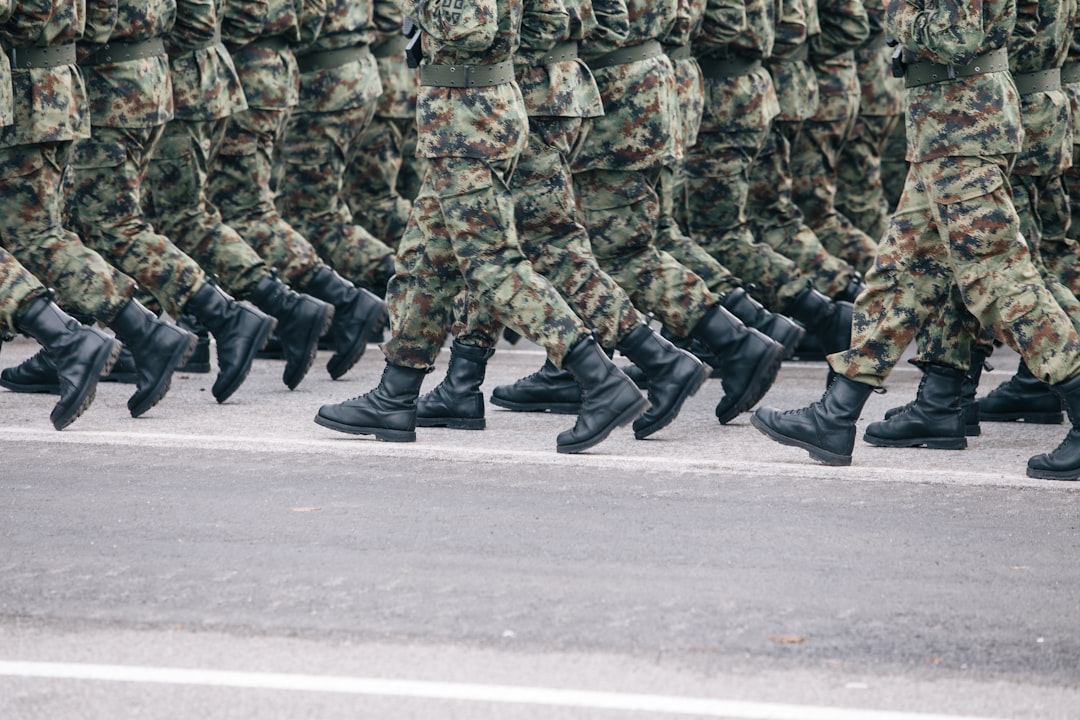
Thousands of Brazilian volunteers have joined Ukrainian forces in defending against Russian aggression, part of an international volunteer movement that has sustained Ukraine's military capabilities while creating complex logistical challenges for fighters operating far from home.
The organization Protect a Volunteer has emerged to address one of the most prosaic yet critical needs facing these international defenders: travel costs. In one recent case highlighted on social media, the group helped fund a flight home for a Brazilian volunteer to see his daughter during a break from frontline service—a moment of normalcy captured in a photograph that humanizes the broader volunteer phenomenon.
"If you have airline miles, hotel points, or money, you can help a volunteer defender go to or from Ukraine," the organization's appeal stated, highlighting how sustained conflict requires not just initial commitment but ongoing support to maintain volunteer force morale and readiness.
The Brazilian contingent represents one of the larger national groups among international volunteers, drawn by a combination of factors including anti-authoritarian sentiment, military experience, and solidarity with Ukraine's defense of sovereignty. Many Brazilian volunteers have prior military service, though the group also includes civilians motivated by ideological opposition to Russian aggression.
International volunteers have played varied roles in Ukraine's defense, from frontline combat positions to training, logistics, and specialized technical support. While initial waves in early 2022 brought thousands of volunteers with diverse motivations and capabilities, the sustained presence of international fighters years into the conflict demonstrates evolving support networks.
The challenges facing these volunteers extend beyond combat. Language barriers, cultural differences, integration into Ukrainian military command structures, and practical questions like travel, leave, and family contact all require systems that have developed organically over time. Organizations like Protect a Volunteer fill gaps that formal military structures struggle to address for foreign fighters.
Ukrainian authorities have generally welcomed international volunteers while working to formalize their status and integration. The International Legion of Territorial Defense of Ukraine serves as an official structure for foreign fighters, though many volunteers operate within regular Ukrainian military units.
For families of international volunteers, the distance and danger create unique strains. The Brazilian volunteer reunited with his daughter represents thousands of similar stories—fathers, sons, brothers who chose to fight for Ukraine while maintaining connections to home lives thousands of kilometers away.
In Ukraine, as across nations defending their sovereignty, resilience is not just survival—it's determination to build a better future. That determination has inspired international solidarity translating into tangible support, from governments providing weapons to individuals providing their lives in defense of principles transcending borders.
As the conflict extends into its third year, sustaining international volunteer forces requires attention to human needs beyond combat effectiveness. The ability to visit family, maintain connections to home, and envision life after war affects volunteer retention and morale. Seemingly small support—like covering a flight home—carries outsized significance for fighters far from everything familiar except the cause that brought them to Ukraine.