
The market just did a complete 180 on interest rates, and if you're trying to figure out whether to refinance your mortgage or lock in that high-yield savings rate, pay attention.
A few months ago, the prevailing narrative was "rate cuts coming soon." Wall Street was pricing in multiple Fed cuts through 2026. Mortgage brokers were telling clients to wait. The consensus was clear: inflation was beaten, the soft landing worked, and cheaper money was around the corner.
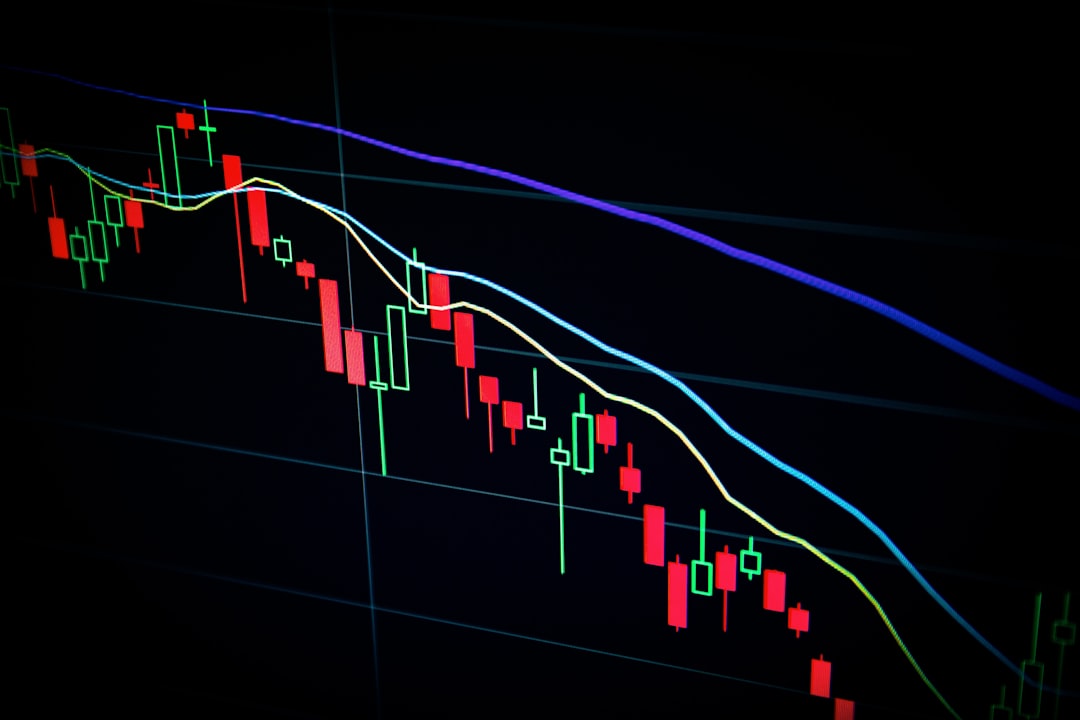
Then the latest inflation data dropped, and that narrative evaporated. Traders are now pricing in the possibility that the Fed's next move could be a rate hike, not a cut. That's not a small shift. That's a complete reversal.
What changed? Inflation is not cooperating. The numbers came in hotter than expected - again. Core inflation, which strips out volatile food and energy prices, is still running well above the Fed's 2% target. The kind of sticky, persistent inflation that doesn't just disappear because you want it to.
The Nasdaq initially dropped almost 2% on the news, then clawed its way back by the close. That recovery isn't because the macro story improved. It's because traders have collectively decided that bad news doesn't matter anymore - just buy the dip and wait for the next leg up. Whether that's rational or delusional depends on your market philosophy.
Here's what this actually means for your money:
Mortgage refinancing: If you've been waiting for rates to drop before refinancing, you're going to keep waiting. The 30-year mortgage rate isn't coming down until the Fed clearly signals rate cuts are coming. And right now, they're signaling the opposite. If you're sitting on a 7% mortgage hoping for 5%, adjust your expectations.
High-yield savings accounts: This is actually good news for savers. Those 5%+ APY accounts at online banks like Marcus, Ally, or Capital One 360? They're sticking around. If the Fed holds rates steady or hikes, your savings account keeps earning. If you're still getting 0.01% at a big bank, you're leaving real money on the table.
Stock portfolios: Higher-for-longer rates are theoretically bad for stocks, especially growth stocks with valuations based on future earnings. But the market doesn't seem to care. The S&P is still near all-time highs despite the rate outlook completely flipping. Make of that what you will.
The broader issue is this: the Fed thought they had inflation under control. They were preparing to ease. Now the data is forcing them to reconsider. Kevin Warsh, the new Fed chair, is inheriting an economy that's refusing to cool down the way the models predicted.
This is what makes monetary policy so frustrating. Six months ago, the "smart money" was certain rates were coming down. Now the smart money is betting they might go up. And six months from now? Who knows. The only certainty is that whatever the consensus believes right now is probably wrong.
Bottom line: Don't wait for rate cuts. Lock in those high savings rates while you can. And if you're refinancing, run the numbers on whether it makes sense at current rates, because cheaper money isn't guaranteed.