
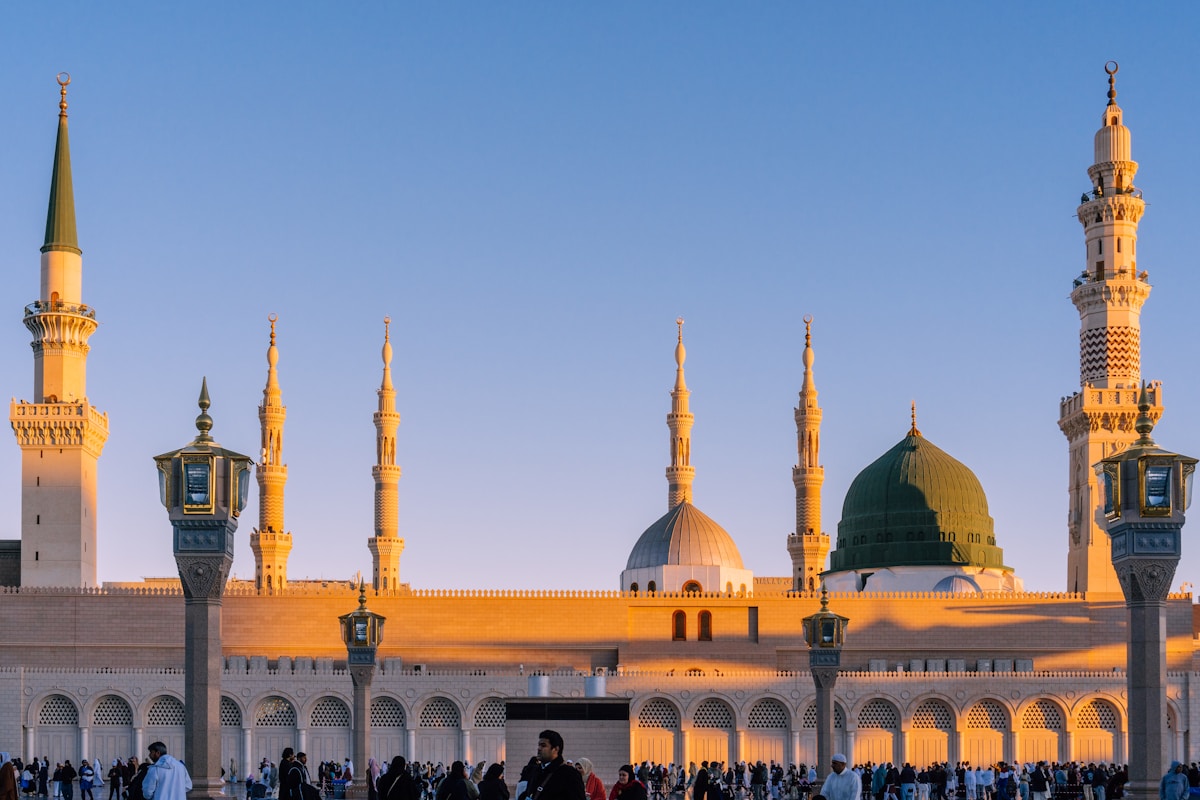
Indonesia has become the first nation in the world granted rights to purchase property in Mecca and Medina, a diplomatic breakthrough that signals Jakarta's growing influence in the Islamic world and President Prabowo Subianto's successful cultivation of personal ties with Saudi Crown Prince Mohammed bin Salman.
Religious Affairs Minister Nasaruddin Umar announced Tuesday that Indonesia has secured approximately 60 hectares of strategically located land just one to three kilometers from the Ka'bah, where the government plans to build an integrated Indonesian Hajj Village complete with a tunnel connecting directly to the Grand Mosque.
"This represents the close relationship between President Prabowo and MBS," Umar told reporters at the Presidential Palace in Jakarta. "We are the first country given the opportunity to purchase property in Mecca and Medina. No other nation has received such privileges."
The unprecedented arrangement reflects Indonesia's unique position as the world's largest Muslim-majority democracy and its successful model of Islamic pluralism. With over 240 million Muslims—more than the entire Arab world combined—Indonesia represents both demographic weight and a distinctive vision of Islam compatible with democracy, diversity, and moderation.
In Indonesia, as across archipelagic democracies, unity in diversity requires constant negotiation across islands, ethnicities, and beliefs. The Hajj Village project demonstrates how Jakarta leverages that pluralistic identity to secure diplomatic gains that eluded more homogeneous Islamic nations.
Saudi Arabia's holy cities have long maintained strict property ownership restrictions, with even Saudi citizens facing limitations in Mecca. That Riyadh would grant Indonesia—and only Indonesia—exemption from these rules suggests strategic calculation beyond mere religious solidarity.
The relationship between Prabowo and Mohammed bin Salman has developed rapidly since the Indonesian president took office last October. Both leaders share backgrounds outside traditional civilian politics—Prabowo as a former special forces commander, MBS as a young crown prince consolidating power. Both pursue ambitious modernization agendas that blend nationalist appeals with economic transformation.
For Saudi Arabia, closer ties with Indonesia serve multiple purposes. As the kingdom seeks to diversify beyond oil and position itself as a global investment hub, Indonesia's 280 million consumers and growing middle class represent an attractive market. Jakarta's successful navigation of democracy and Islam also provides useful contrast to narratives that Islamic governance requires authoritarianism.
For Indonesia, the Mecca property rights deliver tangible benefits to the world's largest community of hajj pilgrims. Each year, Indonesia sends over 200,000 pilgrims to Saudi Arabia, more than any other nation. Chronic complaints about accommodation quality, distance from holy sites, and services have made hajj management a domestic political issue.
The planned Hajj Village addresses these concerns directly. Minister Umar described facilities including residential units, supporting infrastructure, and the unprecedented tunnel connection to the Grand Mosque that would allow elderly and disabled Indonesian pilgrims easier access to worship.
"There will be a tunnel connecting the Grand Mosque with the Indonesian village," Umar explained. The infrastructure would create a self-contained Indonesian enclave in the heart of Islam's holiest city—a remarkable concession from Saudi authorities who tightly control development in Mecca.
The announcement came during a closed-door meeting between Prabowo and approximately 50 Islamic leaders, including former Vice President Ma'ruf Amin, Muhammadiyah chairman Haedar Nashir, and representatives from Nahdlatul Ulama and the Indonesian Ulema Council. The gathering demonstrated Prabowo's continued engagement with Islamic civil society despite his secular military background.
Beyond hajj facilities, the discussion also addressed transforming the Lembaga Pemberdayaan Dana Umat (People's Fund Empowerment Institution) through professional management to better collect and distribute Islamic charitable funds. Prabowo emphasized transparency and effectiveness in managing these resources for public benefit.
The Mecca breakthrough enhances Indonesia's soft power credentials across the Islamic world. As a democracy that respects religious diversity, maintains secular legal foundations while accommodating Islamic practice, and mediates between West and East, Indonesia offers a governance model distinct from both Saudi autocracy and Iranian theocracy.
This diplomatic success also strengthens Indonesia's ASEAN leadership role. By securing unique privileges from Middle Eastern powers, Jakarta demonstrates influence that extends beyond Southeast Asia's traditional spheres. As ASEAN faces pressures from U.S.-China competition and internal divisions, Indonesia's bridges to the Islamic world provide additional diplomatic leverage.
Yet the personal nature of the Prabowo-MBS relationship raises questions about institutional sustainability. Diplomatic gains built on individual chemistry rather than structural interests risk evaporating when leaders change. Indonesia's foreign policy tradition emphasizes consistent principles—non-alignment, regional leadership, democratic values—over personality-driven deals.
The property purchase also requires substantial funding. With Indonesia's budget deficit approaching constitutional limits and competing demands from domestic welfare programs, critics may question whether prestige projects in Saudi Arabia should take priority over needs at home.
Nevertheless, for Indonesia's Islamic organizations and the millions of Muslims who aspire to perform hajj, the Mecca property represents both practical improvement and symbolic recognition. That the world's largest Muslim democracy has secured what no other nation could reflects Indonesia's unique position at the intersection of Islam, democracy, and global diplomacy.