
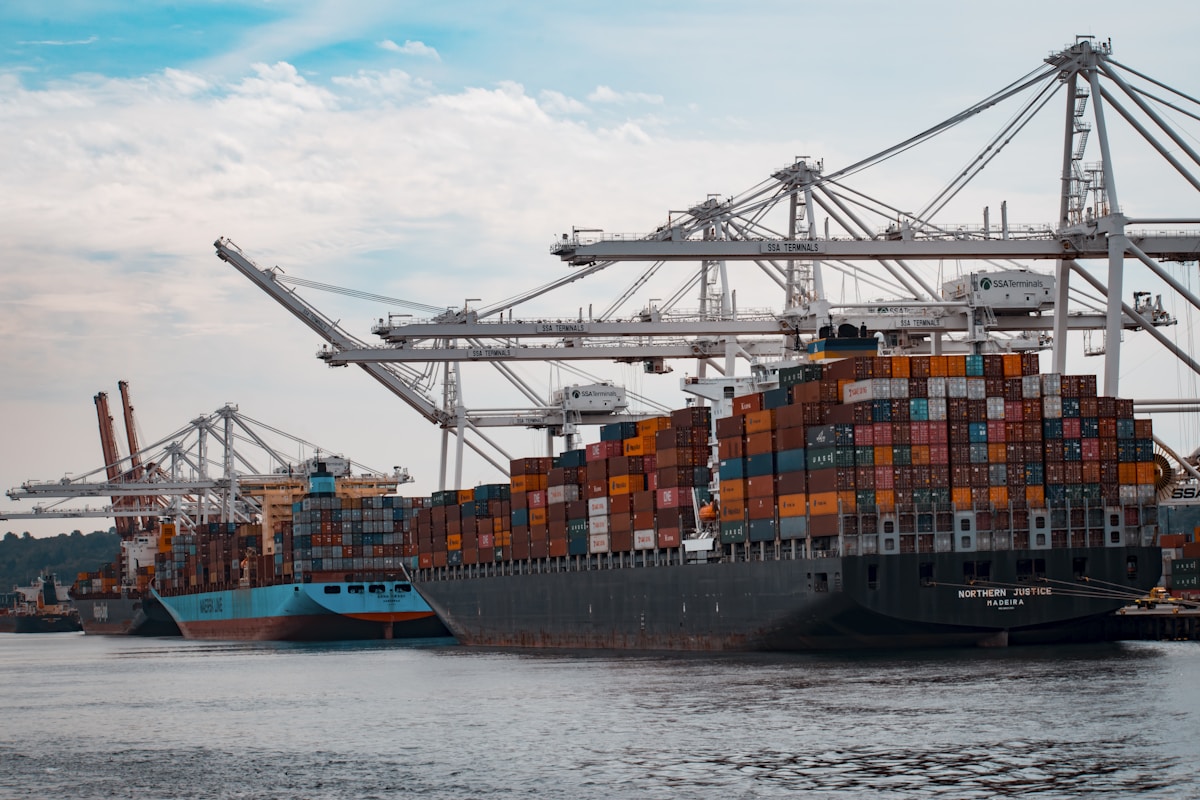
Indonesia recorded a $1.28 billion trade surplus in February 2026, demonstrating the resilience of Southeast Asia's largest economy amid persistent global economic uncertainty.
The country's exports reached $22.17 billion, representing a 1.01 percent increase compared to the same period last year, according to official trade statistics. The sustained surplus underscores Indonesia's strategic positioning in evolving global supply chains as manufacturers seek alternatives to China-centric production networks.
The surplus reflects Indonesia's successful diversification strategy, with both commodity exports and manufactured goods contributing to trade performance. The archipelago's abundant natural resources—including coal, palm oil, nickel, and rubber—continue to generate strong demand, while the country's growing manufacturing sector captures value-added production migrating from higher-cost regional competitors.
Indonesia's trade performance strengthens its position as ASEAN's economic anchor, representing roughly one-third of the bloc's combined GDP. The continued export growth occurs against a backdrop of slower global demand and trade tensions between major economies, highlighting the competitive advantages of the country's resource endowment and improving manufacturing capabilities.
The trade surplus provides crucial foreign exchange reserves for Indonesia as it finances ambitious infrastructure development across its 17,000-island archipelago. The government's ongoing construction of new ports, toll roads, and the planned capital city of Nusantara in East Kalimantan requires substantial imports of capital equipment and construction materials.
Economists note that sustained trade surpluses support rupiah stability and provide the government with fiscal flexibility to maintain social programs while pursuing development objectives. The performance comes as Indonesia navigates the transition to the administration of President Prabowo Subianto, who has emphasized economic nationalism and downstream processing of natural resources.
In Indonesia, as across archipelagic democracies, unity in diversity requires constant negotiation across islands, ethnicities, and beliefs. The country's economic resilience—maintaining trade competitiveness while managing the complexities of democratic governance across vastly different regional economies—demonstrates the success of its federal-like fiscal arrangements and regional autonomy framework.
The February surplus follows Indonesia's pattern of consistent trade surpluses over recent years, providing economic stability that underpins the country's democratic institutions and ASEAN leadership role.