
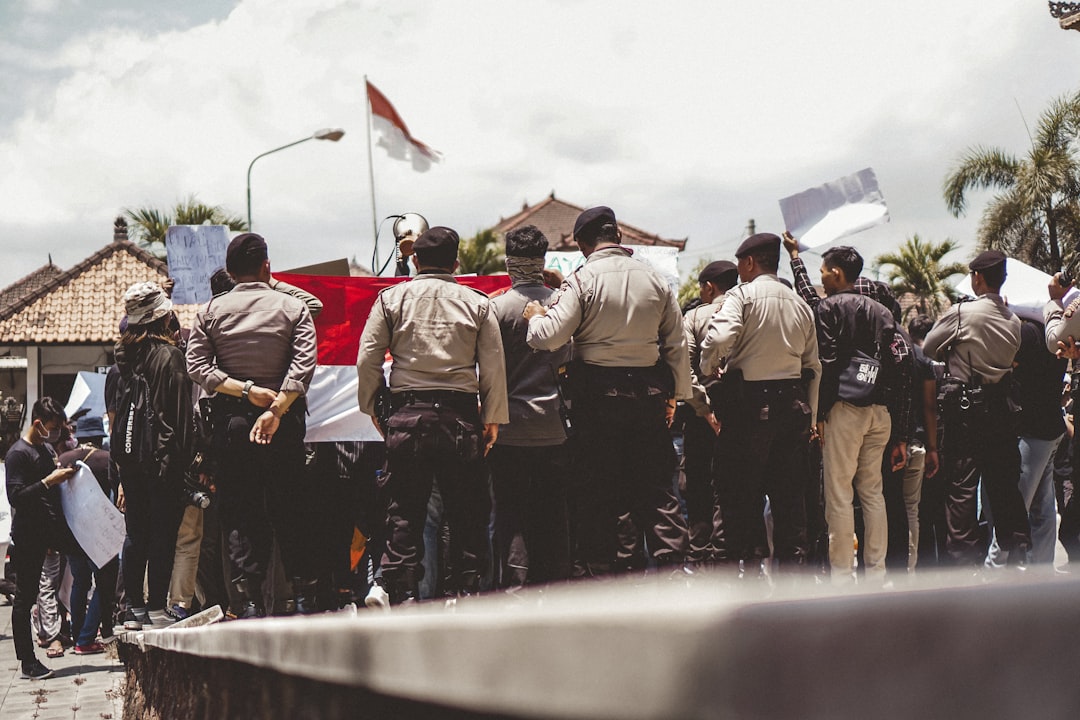
Indonesia's parliament has advanced a comprehensive police reform bill that strengthens civilian oversight and mandates human rights training, positioning the archipelago's democracy as a regional leader in security sector accountability amid authoritarian trends elsewhere in Southeast Asia.
The revised National Police Law (RUU Polri) introduces seven substantive changes to Indonesia's law enforcement framework, according to legal news outlet Hukumonline. The reforms include qualitative transformation of police operations, enhanced oversight powers for the National Police Commission (Kompolnas), professional career restructuring, clearer protocols for police assignments outside the institution, revised retirement age policies, and crucially, a curriculum emphasizing humanistic values and human rights.
The legislation represents what lawmakers are calling a "new chapter" for Indonesian policing, with reforms addressing long-standing concerns about police accountability and professionalism that have undermined public trust since the end of the Suharto era. The bill strengthens Kompolnas's authority to investigate police misconduct and recommend disciplinary action—a critical institutional check in a country where security forces once operated with near-total impunity.
The human rights training requirement stands out as particularly significant. The new curriculum will incorporate humanistic approaches to policing, moving away from the authoritarian legacy that characterized law enforcement during Indonesia's three decades under military-backed rule. This shift aligns with Indonesia's democratic consolidation over the past two decades and demonstrates that Islamic democracy can successfully reform security institutions.
In Indonesia, as across archipelagic democracies, unity in diversity requires constant negotiation across islands, ethnicities, and beliefs. The police reform effort reflects this reality, as law enforcement must serve hundreds of ethnic groups across thousands of islands while respecting democratic norms and human rights standards that vary across communities yet remain grounded in universal principles.
The reforms come at a critical regional moment. While has experienced repeated military interventions in civilian governance and remains under brutal junta rule, commitment to strengthening democratic institutions through legislative reform demonstrates the resilience of its democratic system. The contrast is striking: where authoritarian neighbors resist accountability, actively builds it into security institutions.