
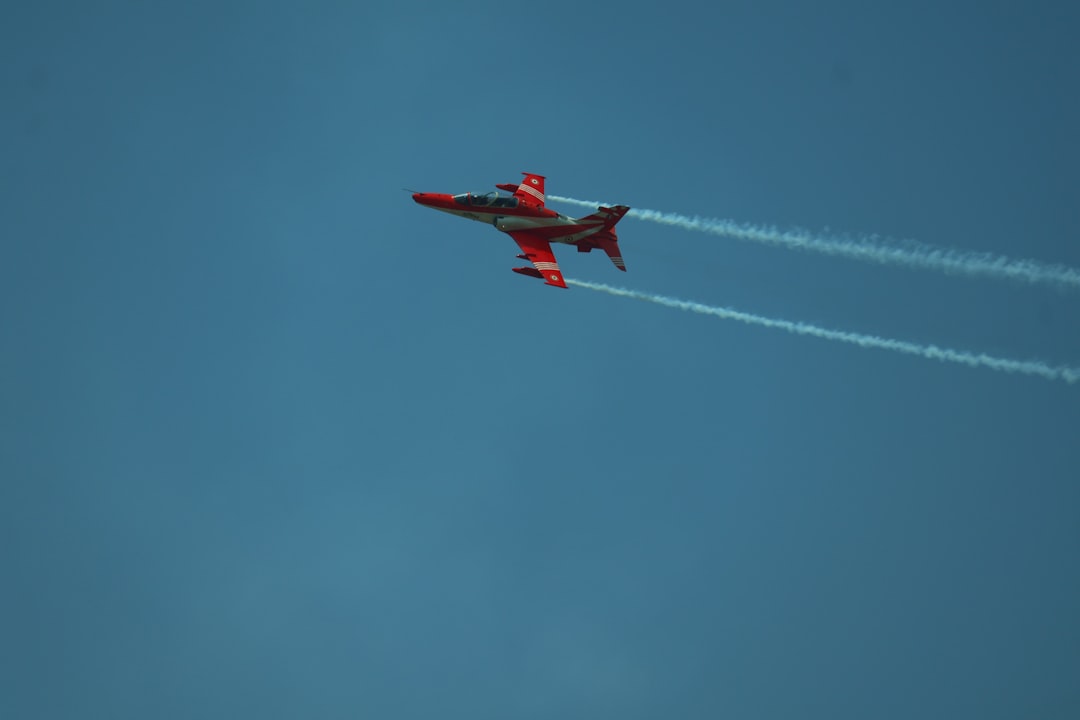
An Indian Air Force Su-30MKI fighter jet went missing on Thursday evening after losing radar contact during a routine training sortie over Assam, prompting a massive search and rescue operation across the northeastern state's challenging terrain.
The twin-seat, twin-engine fighter aircraft disappeared from radar screens while conducting operations in Assam, according to sources from the Indian Air Force. The aircraft, valued at approximately $60 million, is part of India's frontline air superiority fleet and represents a critical component of the nation's $70 billion defense modernization program.
The Indian Air Force has deployed multiple search teams to the suspected crash site, though the hilly and densely forested terrain of Assam poses significant challenges to recovery operations. The fate of the aircraft's crew remains unknown as search operations continue into the night.
In India, as across the subcontinent, scale and diversity make simple narratives impossible—and fascinating. The Su-30MKI fleet, jointly developed by Russia's Sukhoi and India's Hindustan Aeronautics Limited, forms the backbone of India's air combat capability with over 260 aircraft in service. The disappearance highlights ongoing concerns about the reliability and maintenance of Russian-origin defense equipment as India seeks to diversify its military suppliers.
The incident comes at a sensitive time for India's defense establishment, which has been pushing for greater self-reliance through the Atmanirbhar Bharat (Self-Reliant India) initiative while managing a complex relationship with traditional supplier Russia amid global tensions. India remains the world's largest arms importer, spending over $70 billion annually on defense, with roughly 60% of equipment still sourced from Russia.
Search operations are being coordinated with local authorities in Assam, with helicopters and ground teams combing the mountainous region. The Indian Air Force has not yet released details about the crew or the specific circumstances that led to the loss of radar contact.
For the families of the crew, the wait continues. The Indian Air Force has a strong safety record compared to many regional air forces, but accidents involving aging Russian equipment have raised questions about modernization timelines and the need for indigenous alternatives. The Tejas light combat aircraft, India's homegrown fighter, has faced delays but represents the country's ambition to become self-sufficient in defense manufacturing.