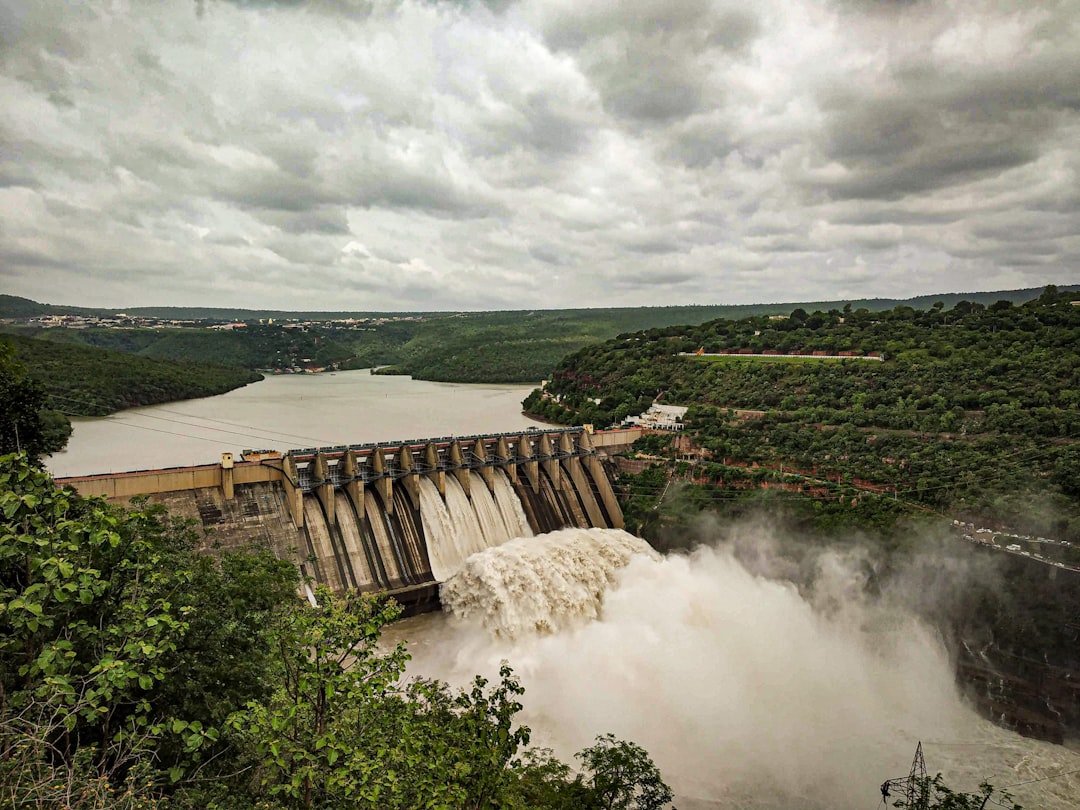
India formally rejected a ruling by the International Court of Justice regarding dispute resolution mechanisms under the Indus Waters Treaty with Pakistan, declaring the 1960 agreement "remains in abeyance" and signaling that New Delhi no longer considers itself bound by certain treaty provisions.
The decision represents the latest example of a major power openly defying post-World War II international legal frameworks—a pattern that has accelerated dramatically in recent years as the rules-based order faces mounting challenges from nationalist governments skeptical of multilateral constraints.
The Indus Waters Treaty, brokered by the World Bank and signed in 1960, has governed water-sharing between the nuclear-armed neighbors for more than six decades. Remarkably, the agreement has survived three wars between India and Pakistan, multiple crises, and fundamental shifts in both countries' domestic politics—until now.
To understand today's headlines, we must look at yesterday's decisions. The treaty allocated the waters of three eastern rivers to India and three western rivers to Pakistan, while establishing mechanisms for dispute resolution when one party believed the other was violating the terms. India's rejection of the ICJ ruling centers on which arbitration mechanism should apply to current disputes over hydroelectric projects in disputed Kashmir.
"India does not accept the jurisdiction of the International Court of Justice in this matter," the Ministry of External Affairs stated in a release Friday, according to the Tribune India. "The treaty's provisions for dispute resolution have been exhausted, and the agreement remains in abeyance pending resolution of fundamental procedural disagreements."
The language is significant. By declaring the treaty "in abeyance," India stops short of formally withdrawing but makes clear it no longer considers treaty obligations binding—at least regarding dispute resolution. Whether this extends to water allocation itself remains ambiguous, though Pakistani officials have interpreted the statement as threatening their access to the rivers upon which tens of millions of citizens depend.